Ertach Kernow - Kernewek boosted with improvement to status
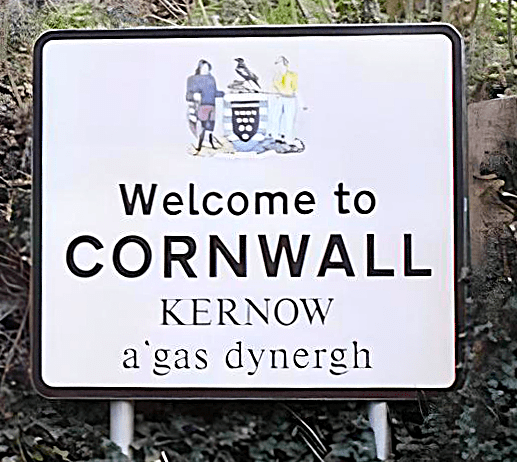
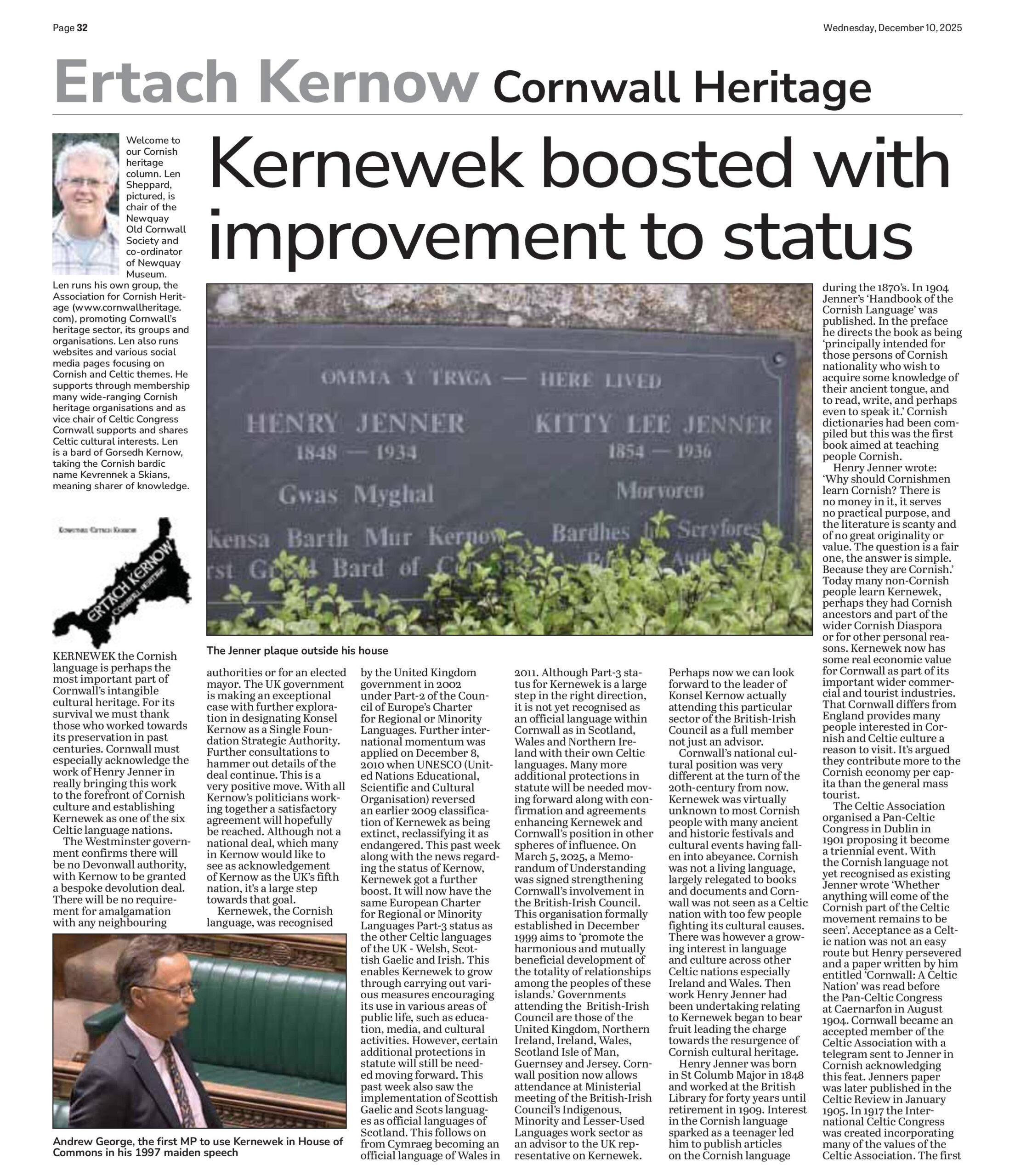
Kernewek the Cornish language is perhaps the most important part of Cornwall’s intangible cultural heritage. For its survival we must thank those who worked towards its preservation in past centuries. Cornwall must especially acknowledge the work of Henry Jenner in really bringing this work to the forefront of Cornish culture and establishing Kernewek as one of the six Celtic language nations.
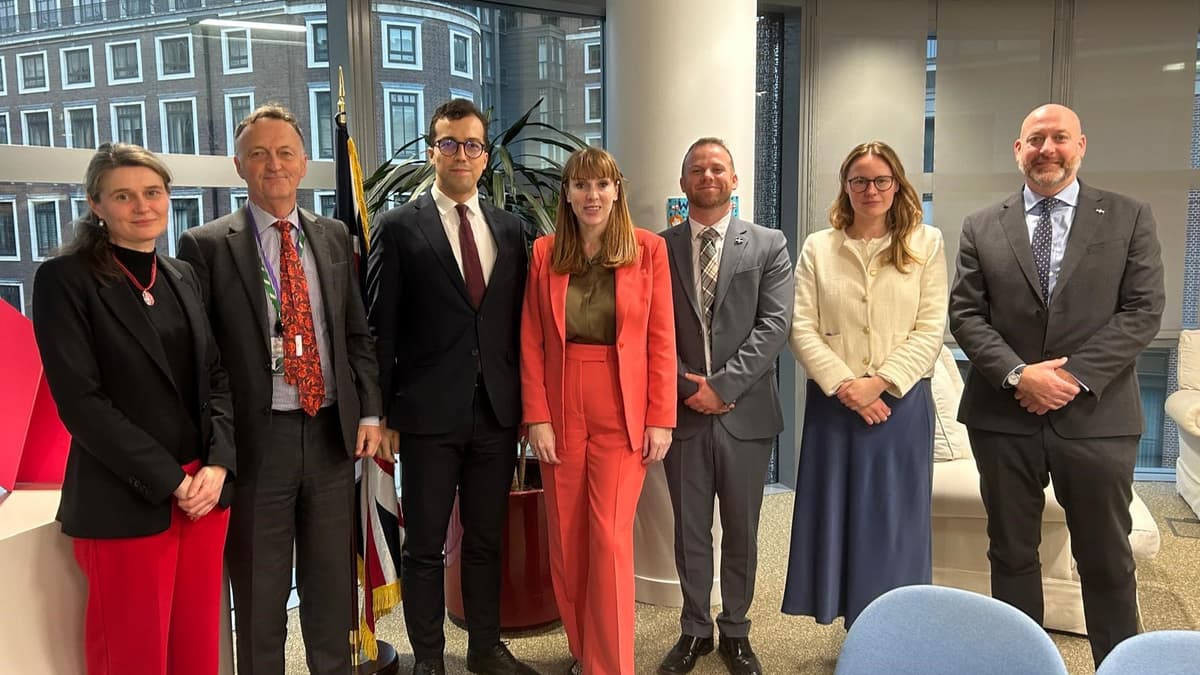
The Westminster government confirms there will be no Devonwall authority, with Kernow to be granted a bespoke devolution deal. There will be no requirement for amalgamation with any neighbouring authorities or for an elected mayor. The UK government is making an exceptional case with further exploration in designating Konsel Kernow as a Single Foundation Strategic Authority. Further consultations to hammer out details of the deal continue. This is a very positive move. With all Kernow’s politicians working together a satisfactory agreement will hopefully be reached. Although not a national deal, which many in Kernow would like to see as acknowledgement of Kernow as the UK’s fifth nation, it’s a large step towards that goal.
Thank you for reading the online version of the Ertach Kernow weekly articles. These take some 12 hours each week to research, write and then upload to the website, and is unpaid. It would be most appreciated if you would take just a couple of minutes to complete the online survey marking five years of writing these weekly articles. Many thanks.
Click the link for survey: Ertach Kernow fifth anniversary survey link
As always click the images for larger view

Kernewek, the Cornish language, was recognised by the United Kingdom government in 2002 under Part-2 of the Council of Europe's Charter for Regional or Minority Languages. Further international momentum was applied on 8th December 2010 when UNESCO (United Nations Educational, Scientific and Cultural Organisation) reversed an earlier 2009 classification of Kernewek as being extinct, reclassifying it as endangered. This past week along with the news regarding the status of Kernow, Kernewek got a further boost. It will now have the same European Charter for Regional or Minority Languages Part-3 status as the other Celtic languages of the UK - Welsh, Scottish Gaelic and Irish. This enables Kernewek to grow through carrying out various measures encouraging its use in various areas of public life, such as education, media, and cultural activities. However, certain additional protections in statute will still be needed moving forward. This past week also saw the implementation of Scottish Gaelic and Scots languages as official languages of Scotland. This follows on from Cymraeg becoming an official language of Wales in 2011.
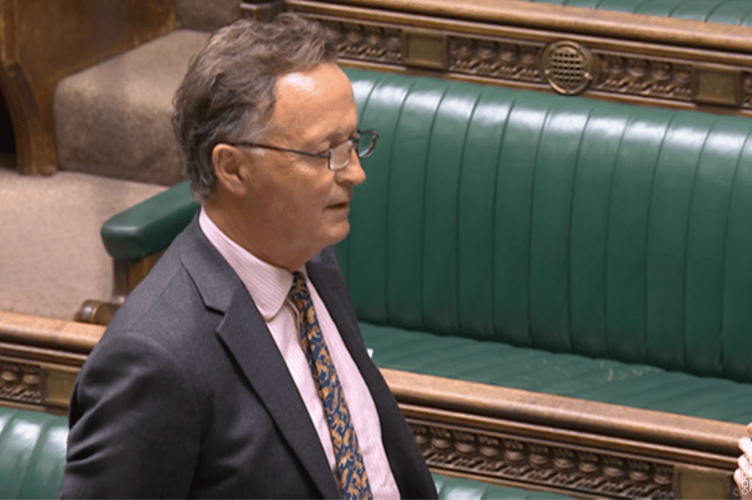
Although Part-3 status for Kernewek is a large step in the right direction, it is not yet recognised as an official language within Cornwall as in Scotland, Wales and Northern Ireland with their own Celtic languages. Many more additional protections in statute will be needed moving forward along with confirmation and agreements enhancing Kernewek and Cornwall’s position in other spheres of influence. On March 5th 2025 a Memorandum of Understanding was signed strengthening Cornwall’s involvement in the British-Irish Council. This organisation formally established in December 1999 aims to ‘promote the harmonious and mutually beneficial development of the totality of relationships among the peoples of these islands.’ Governments attending the British-Irish Council are those of the United Kingdom, Northern Ireland, Ireland, Wales, Scotland Isle of Man, Guernsey and Jersey. Cornwall position now allows attendance at Ministerial meeting of the British-Irish Council’s Indigenous, Minority and Lesser-Used Languages work sector as an advisor to the UK representative on Kernewek. Perhaps now we can look forward to the leader of Konsel Kernow actually attending this particular sector of the British-Irish Council as a full member not just an advisor.
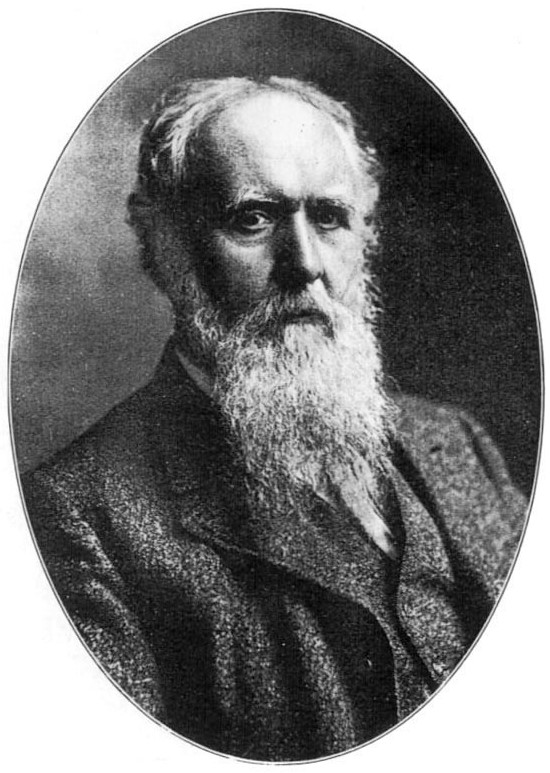
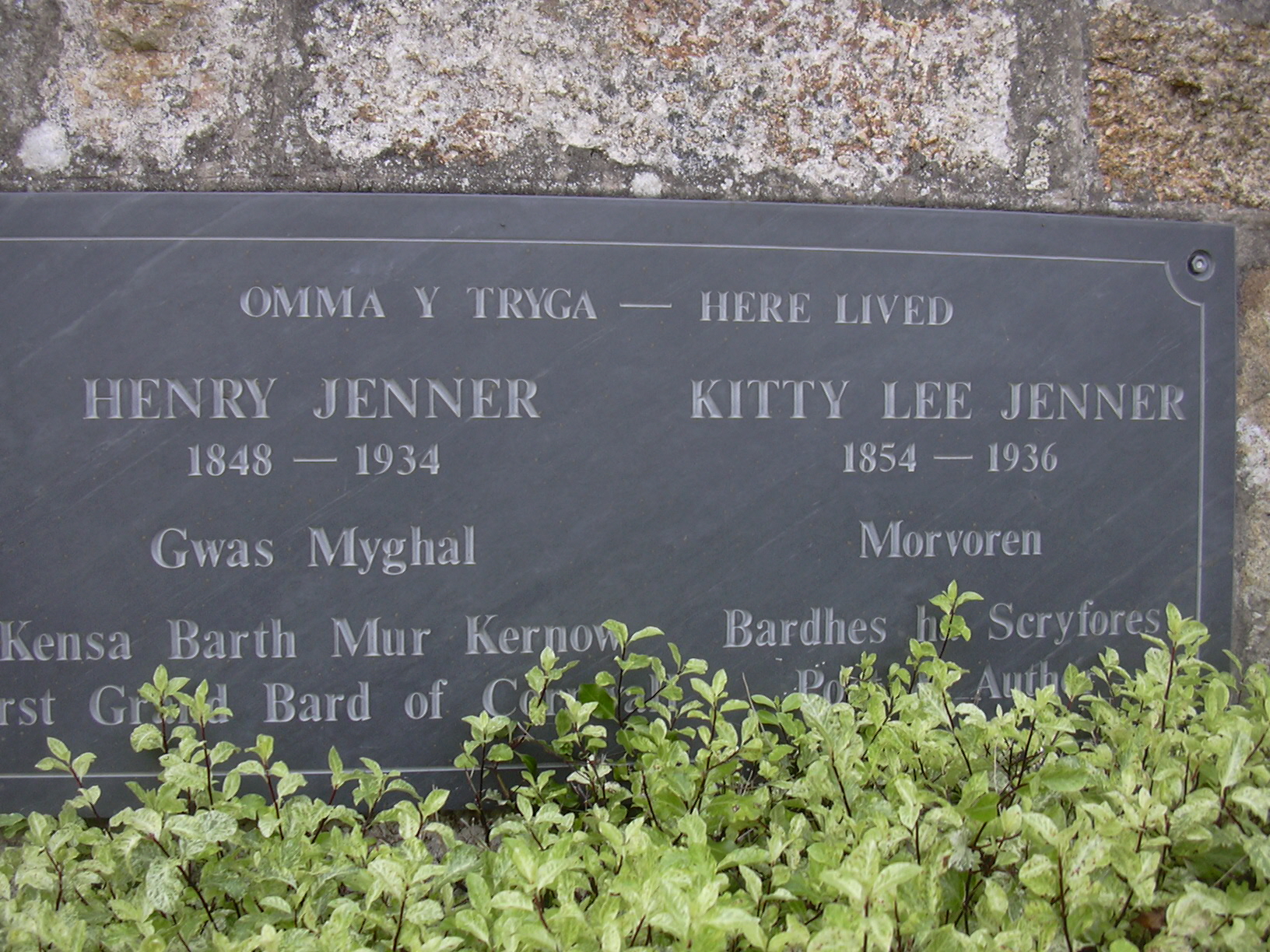
Cornwall’s national cultural position was very different at the turn of the 20th century from now. Kernewek was virtually unknown to most Cornish people with many ancient and historic festivals and cultural events having fallen into abeyance. Cornish was not a living language, largely relegated to books and documents and Cornwall was not seen as a Celtic nation with too few people fighting its cultural causes. There was however a growing interest in language and culture across other Celtic nations especially Ireland and Wales. Then work Henry Jenner had been undertaking relating to Kernewek began to bear fruit leading the charge towards the resurgence of Cornish cultural heritage.
Henry Jenner was born in St Columb Major in 1848 and worked at the British Library for forty years until retirement in 1909. Interest in the Cornish language sparked as a teenager led him to publish articles on the Cornish language during the 1870’s. In 1904 Jenner’s ‘Handbook of the Cornish Language’ was published. In the preface he directs the book as being ‘principally intended for those persons of Cornish nationality who wish to acquire some knowledge of their ancient tongue, and to read, write, and perhaps even to speak it.’ Cornish dictionaries had been compiled but this was the first book aimed at teaching people Cornish.
Henry Jenner wrote; ‘Why should Cornishmen learn Cornish? There is no money in it, it serves no practical purpose, and the literature is scanty and of no great originality or value. The question is a fair one, the answer is simple. Because they are Cornish.’ Today many non-Cornish people learn Kernewek, perhaps they had Cornish ancestors and part of the wider Cornish Diaspora or for other personal reasons. Kernewek now has some real economic value for Cornwall as part of its important wider commercial and tourist industries. That Cornwall differs from England provides many people interested in Cornish and Celtic culture a reason to visit. It’s argued they contribute more to the Cornish economy per capita than the general mass tourist.
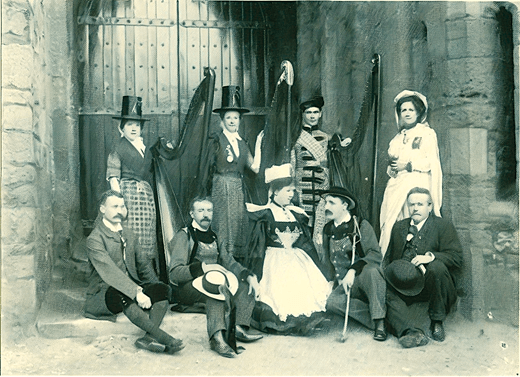
The Celtic Association organised a Pan-Celtic Congress in Dublin in 1901 proposing it become a triennial event. With the Cornish language not yet recognised as existing Jenner wrote ‘Whether anything will come of the Cornish part of the Celtic movement remains to be seen’. Acceptance as a Celtic nation was not an easy route but Henry persevered and a paper written by him entitled 'Cornwall: A Celtic Nation' was read before the Pan-Celtic Congress at Caernarfon in August 1904. Cornwall became an accepted member of the Celtic Association with a telegram sent to Jenner in Cornish acknowledging this feat. Jenners paper was later published in the Celtic Review in January 1905. In 1917 the International Celtic Congress was created incorporating many of the values of the Celtic Association. The first Cornish Congress was held in 1932 in Truro presided over by Henry Jenner. This saw the creation of ‘Celtic Congress Cornwall’ as one of the six branches of the International Celtic Congress.
The early part of the 20th century saw a number of organisations created working to protect and preserve the Cornish language. In 1924 Robert Morton Nance a close friend of Jenner created the Federation of Old Cornwall Societies. The first branch was St Ives which Jenner along with Nance had established in 1920, with others quickly following on. The Federation was created once sufficient branches made it viable, with around forty branches today. Nances objectives were to collect and maintain ‘all those ancient things that make the spirit of Cornwall — its traditions, its old words and ways, and what remains to it of its Celtic language and nationality.’ Henry Jenner became the first president of the Federation until his death in 1934.
Jenner had been inaugurated as a bard of the Gorsedd of Brittany in September 1903. By 1907 he was working on ideas for a Cornish version of the Breton organisation. Taking a number of years to come to fruition saw the first Cornish Gorsedh at Boscawen-Un stone circle in 1928. He and twelve others were initiated into Gorsedh Kernow by the Archdruid of the National Eisteddfod of Wales, John Owen Williams. The aims and goals of Gorsedh Kernow are ‘to maintain the national Celtic spirit of Cornwall’ through the preservation of the history and culture of a Celtic people through poetry, song, dance, music, art, sport and spoken word. Over the past near century some one thousand people have been initiated as bards of Gorsedh Kernow. Bardship of Gorsedh Kernow recognises a considerable contributions to Cornish heritage its culture and language including service to the Celtic spirit of Cornwall. Gorsedh Kernow has evolved carrying out a large number of activities, encouraging Cornish related contributions from the wider community with awards for outstanding works.
Sadly the International Celtic Congress declined ceasing to exist at the end of 2025. Annual congresses were held until 2022 with the last in Cornwall at Newquay in 2019, The pandemic saw an online event hosted by Wales in 2021 and finally in Irish Congress in 2022. Lack of new and younger members to become involved was the reason, with the five branches outside Cornwall continuing to exist in a declining state. In 2024 Kernow stepped up to the mark with a farsighted plan to evolve. With a rebranded name ‘Celtic Congress Cornwall’ is now known as ‘Celtic Nation Kernow’ with the same aims and goals of sharing and encouraging interest in the Cornish language and culture as well as interaction with the other Celtic nations. With increased use of technology making it fit for the 21st century the free online membership scheme has seen hundreds of people from Cornwall and across all the Celtic nations joining. To maintain its connections with the other Celtic nations its website will include content from all the Celtic nations, promoting its activities through the name ‘Celtic Nations International’ on various social media platforms.
One hopes Henry Jenner would approve if he could have looked forward a hundred years. Cornwall has made huge positive steps relating to its overall status and culture, especially the advancement of the Cornish language. Increased use of place names in Kernewek on road signs and in public places will help encourage interest. Personally I really hope that Cornwall’s highest peak is officially renamed with its historic Kernewek name ‘Bronn Wenneli’ rather than the deplorable Anglicised version.

Heritage Column