Ertach Kernow - The origins of Cornish archaeological bodies
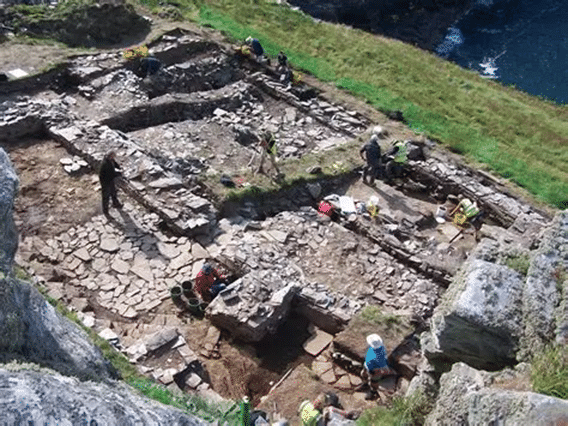
Cornwall has an ancient and historic landscape. You can’t go far before you see an engine house from the industrial age, stone circle, quoit or be in the vicinity of a cliff castle or hill fort. Hopefully many people take the opportunity to visit some of these places which along with the Cornish language and other culture makes Cornwall unique. Sadly, many people don’t make any effort at all to explore Cornwall, which is a real shame and a loss to them. We have learned so much more about Cornwall’s ancient and historic past through the work of Cornwall Council’s ‘Cornwall Archaeological Unit’ and the ‘Cornwall Archaeological Society.’
As always click the images for larger view
One of the most important events relating to Cornish archaeology was the creation of the ‘Cornwall Committee for Rescue Archaeology’ in 1975. In due course this would morph into what is known today as the Cornwall Archaeological Unit. In what is the Cornwall Archaeological Unit’s 50th year the Cornwall Archaeological Society will be hosting its biennial ‘Archaeology in Cornwall’ conference. Held in the Public Rooms in Liskeard and via Zoom on Saturday 17th October, this will celebrate the work achieved by the Cornwall Archaeological Unit over its 50 year existence.

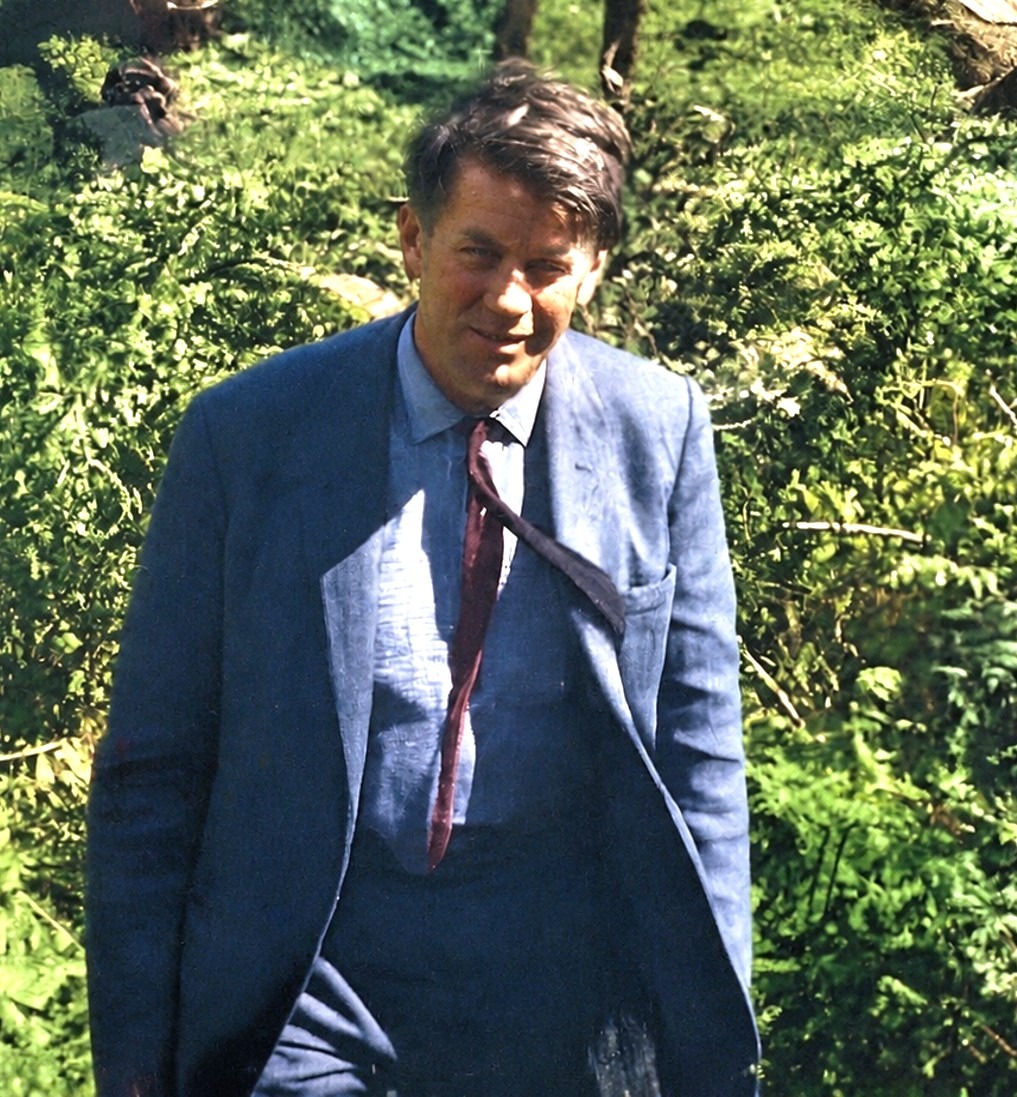
The late Professor Charles Thomas as Chairman of the ‘Cornwall Committee for Rescue Archaeology’ wrote of the committee’s origins in the 1976 edition of the Cornwall Archaeological Society’s journal. Demand for archaeological services had led to organisational and financial support from government. Far larger sums were being made available and this would include work for ‘rescue excavation; for the surveys which should precede such excavations; and, less widely appreciated, for the whole 'post excavation' side, that is, for the treatment of finds and the preparation and publication of reports.’ One of thirteen UK wide areas was the committee covering Cornwall, Devon and the Isles of Scilly under the chairmanship of Professor Thomas. Being advisory only, these committees were without staff and no budget to spend money. The Department of the Environment sought to encourage formation of 'county executives', and near-identical Committees for Rescue Archaeology sponsored by both Cornwall and Devon Archaeological Societies were formed in 1975.
Still Cornwall had no actual archaeologists working and financed by Cornwall Council. But the ball was rolling with representatives from Cornwall Council and the then six district councils, Cornwall Archaeological Society and many other Cornish voluntary and charitable heritage organisations. The Department of the Environment provided the committee with funds to employ an Urban and a Rural Survey Officer for a year. Both would produce reports assessing priorities and threats within urban centres and rural areas of Cornwall. A second stage followed closely monitoring threats from new developments utilising a detailed record of archaeological sites.
Today the Cornwall Archaeological Unit provides archaeological services throughout Cornwall, the Isles of Scilly and the United Kingdom. Besides its many ancient sites Cornwall has a large number of interesting buildings stretching back to medieval times. The work Cornwall Archaeological Unit undertakes includes historic buildings and industrial structures. They record the exteriors and interiors, noting important archaeological features and development of these buildings over time. A comprehensive analytical record of buildings are undertaken during building surveys. Other local government organisations have been created to expand the recording and knowledge sharing about Cornwall’s archaeological and historic sites. The Strategic Historic Environment Service maintains the record on information for all aspects of the past. This includes information on sites, finds and structures, and includes collections of photos, maps, plans and surveys. This is obviously invaluable to the work of the Cornwall Archaeological Unit, prior to it carrying out new investigations.
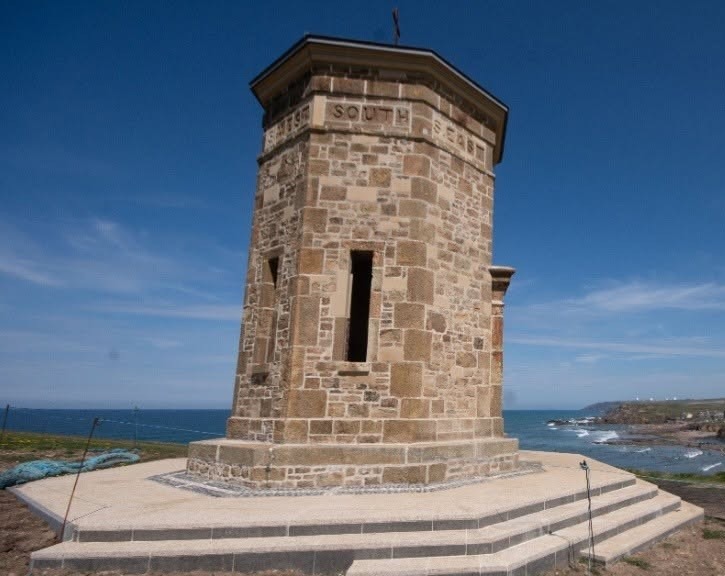
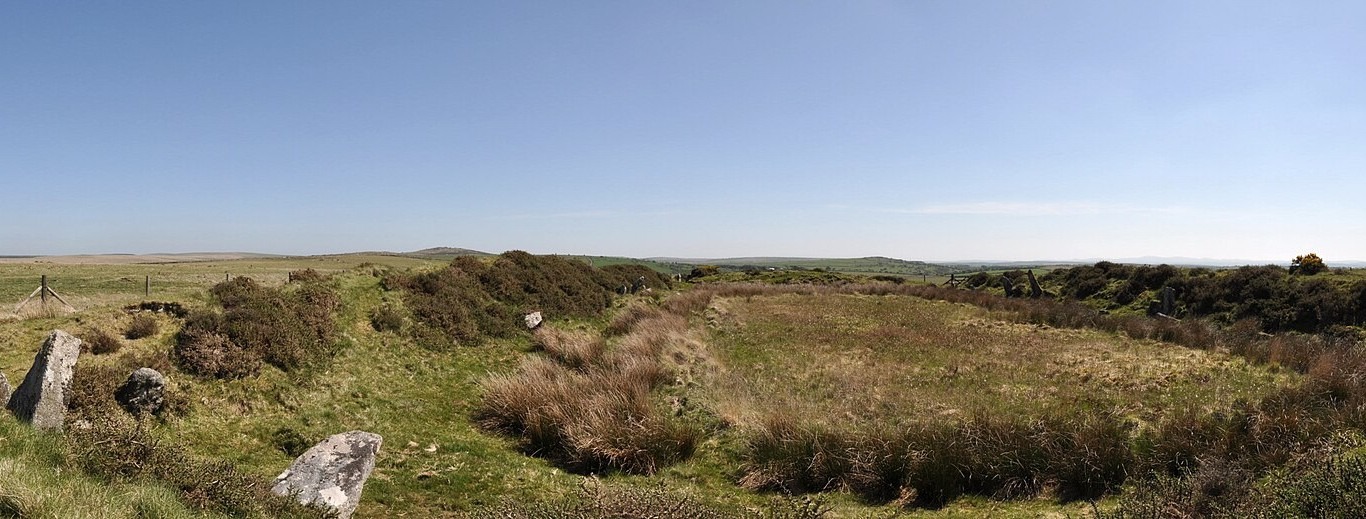

No mention relating to the history of the Cornwall Archaeological Society could be made without mention of the ‘West Cornwall Field Club’ founded in the 1930’s. Instrumental to the founding of that group was Lieutenant Colonel Fred Hirst. It evolved from volunteers who had been participating with Fred Hirst on excavations at the Iron Age settlement Porthmeor between 1933 to 1935. This archaeological dig provided far more information about the courtyard houses, fogou and defensive boundary walls. Over the next twenty-five years the breadth of work by the ‘West Cornwall Field Club’ gradually grew to include other areas of Cornwall. The club produced a great number of publications including annual proceedings and field guides. The editorial for the Proceedings, volume two number five, published for 1960/1961 opened with the following paragraph. ‘1961 may well prove to be a turning-point for archaeology in Cornwall, as it has been proposed that the West Cornwall Field Club should widen its frontiers to become, in name as well as virtual fact, an all-Cornwall society. If this resolution meets with a majority approval of members at the Annual General Meeting later this summer, it is hoped that the change of name will result in both a rise in membership and an expansion of the members' activities. From the point of view of publication, this should mean an increase of contributions, and a corresponding enlargement of the annual issue: a prospect which any editor could regard only with satisfaction.’
In 1962 the ‘West Cornwall Field Club’ evolved into the Cornwall Archaeological Society. The number of members has grown many times over and their work including digs continues. This importantly includes cooperation with other Cornish heritage groups and organisations. The society’s increased success can be placed at the door of those who had the foresight in 1961 to evolve their group, which included a name change, thus creating greater future interest. There can surely be no doubt those early members of the West Cornwall Field Club would be proud their pioneering work evolved into an active and progressive society. From them, through the Cornwall Archaeological Society. so much has been achieved. Without the Cornwall Archaeological Society formation of the ‘Cornwall Committee for Rescue Archaeology’ in 1975, which itself evolved into the Cornwall Archaeological Unit, may not have taken place.
One issue which saddens me. The man instrumental to the founding of the West Cornwall Field Club, Lieutenant Colonel Fred Hirst, leading ultimately to the Cornwall Archaeological Society is not mentioned on their website. Fortunately, Professor Charles Thomas acknowledges him and other founders in his 1985 contribution to the Cornwall Archaeological Society journal ‘The fiftieth Anniversary of the West Cornwall Field Club.’ A link to this will be on the website for this article, as well as the obituary Lieutenant Colonel Fred Hirst. Honoured during his lifetime Fred received many awards and was initiated as a bard of Gorsedh Kernow.

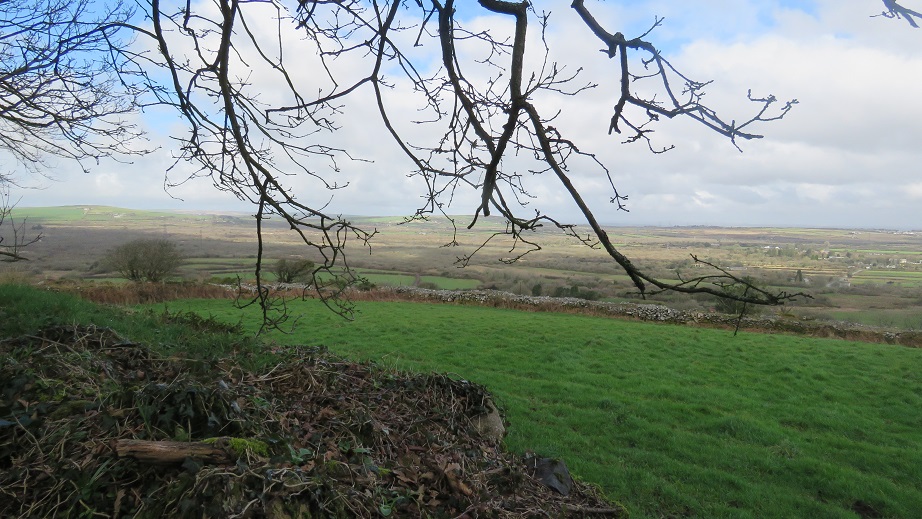
Right from the start, following its renaming, the Cornwall Archaeological Society involved itself in projects throughout Cornwall. In 1962 Castilly Henge, the potential hillfort at St Dennis in 1962 and in 1963 the Rumps cliff castle. Its volunteers have carried out supporting roles in scores of investigative projects on archaeological sites. Through its other activities, talks, guided walks, journals and newsletters the Cornwall Archaeological Society continues to do great work of promoting and sharing knowledge about Cornish archaeology.
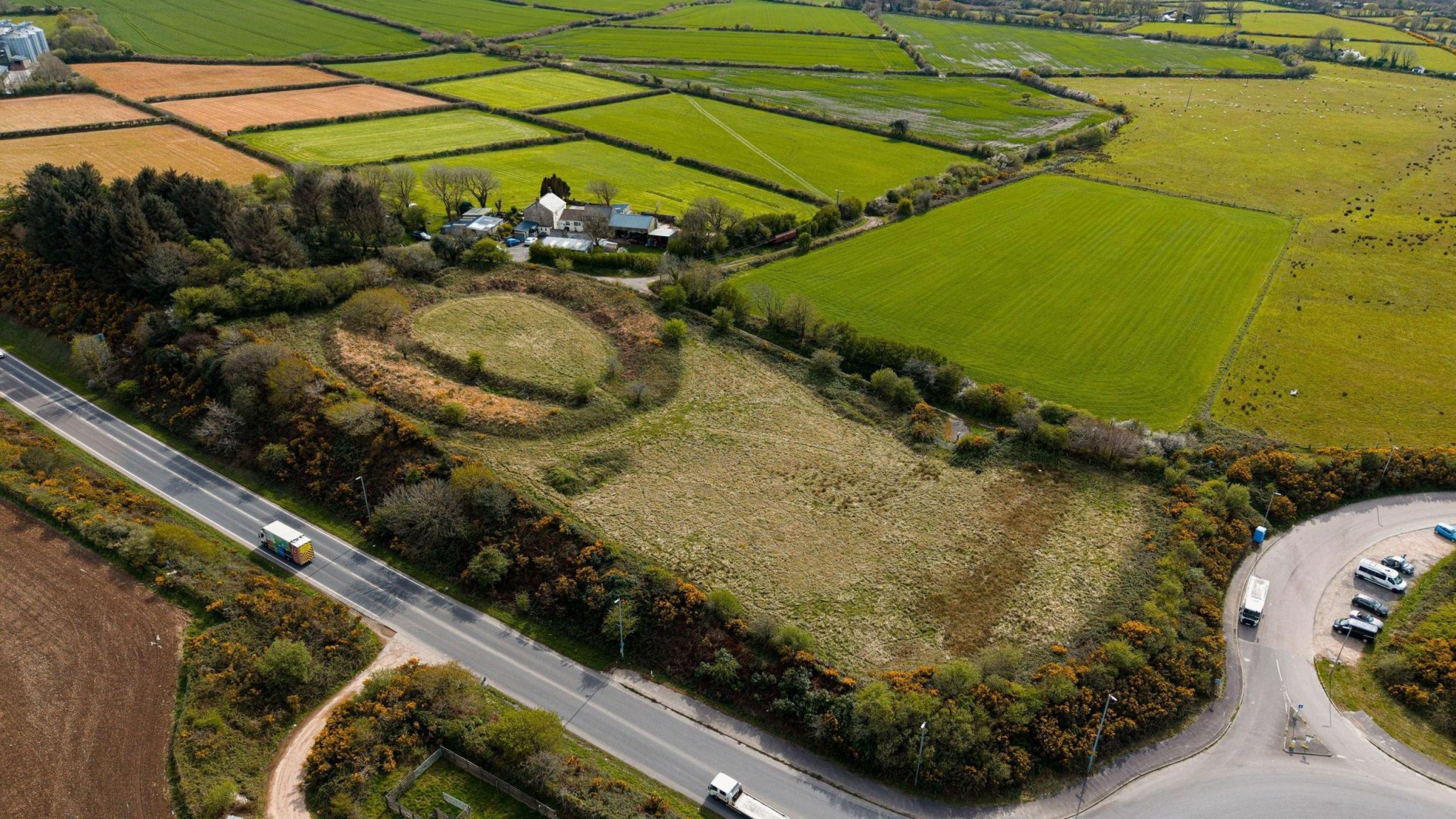
The recent project at Castilly Henge harkens back to earlier work undertaken by the Cornwall Archaeological Society over sixty years ago. This involved a number of Cornish organisations, with the excavation funded by Historic England and headed by Dr Olaf Bayer its Senior Archaeological Investigator. They were ably assisted by the Cornwall Archaeological Unit with support from the Cornwall Archaeological Society and Cornwall Heritage Trust. Community engagement and outreach is increasingly important in helping create far greater interest in historic sites and archaeology into the future. This project involved over 80 volunteers and visits from more than 300 local school children. It connected over 100 people to their local heritage through community groups and wellbeing programmes. The Cornwall Archaeological Society received a £42,990 grant from The National Lottery Heritage Fund, supported by a further £10,000 from Historic England.
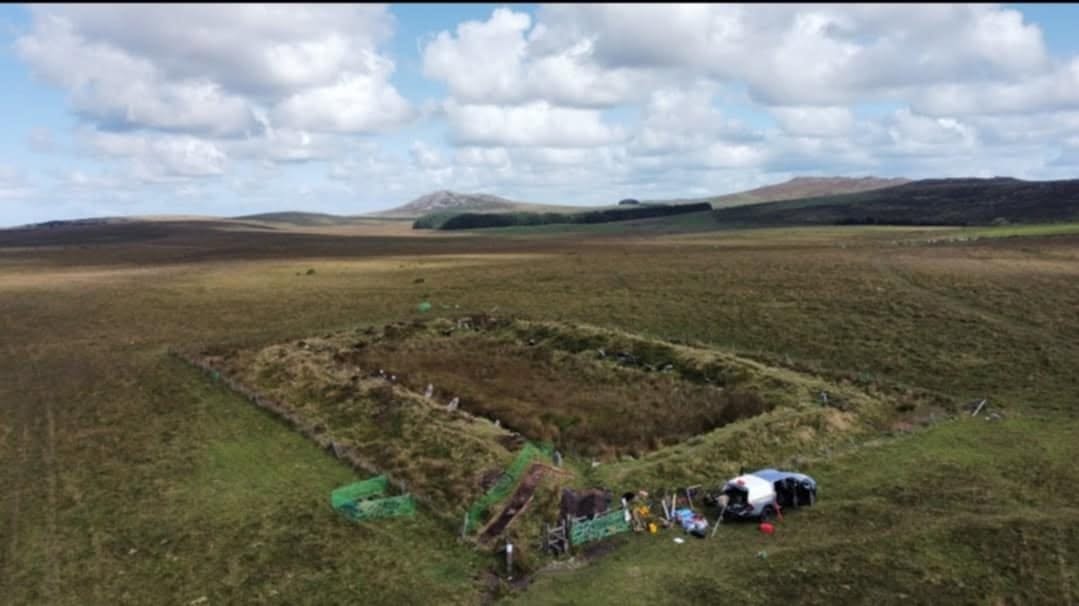
Castilly Henge is an oval earthwork believed to have been built during the late Neolithic period. When carrying out excavations in the 1960’s the newly renamed Cornwall Archaeological Society did not have the technology and more recent techniques available today. The work included reopening one of the earthwork trenches from the 1962 dig, led by Professor Charles Thomas, along with other additional excavations. Traces of removed potential upright stones or timber posts have been uncovered together with fragments of Neolithic flint tools. If there was as is suggested a stone circle this would be an amazing discovery. There was some post-medieval pottery and it looks as if volunteers of the earlier 1962 dig may have lost some cash when mid-20th century coins were found. Post-dig work is sometimes just as important as the finds from the excavations and is where recent science advances come into play. The recent work on King Arthur’s Hall on Bodmin Moor, which had amazing results, shows how science has added so much to archaeological investigations. Soil samples and other deposits collected are currently being analysed so more on this dig will be available in due course.

Cornwall besides being blessed with a wide range of ancient and historic monuments within a relatively small area has a range of superb heritage organisations. From a base created in the 19th and early 20th centuries these have evolved and more recent ones are now adding much to Cornwall’s ability to investigate, preserve and share knowledge about the past.
Heritage Column