Ertach Kernow - The Duchy of Cornwall and route to its wealth
The Duchy of Cornwall and Duchy of Lancaster along with royal properties have been in the news of late. The media has been keen to point out the wealth of the Duchy of Cornwall and how much the Duke of Cornwall receives. One should be aware that Cornwall, often referred to as a duchy, is distinctly different from the ‘Duchy of Cornwall’, a separate entity. Whereas Cornwall has a defined border separating it from England, the Duchy of Cornwall owns land and property within and beyond those borders. Just 18,710 acres are located in Cornwall, approximately 13% of the Duchy’s land. The remainder is scattered throughout England and Wales. The value of this vast estate is now in excess of one billion pounds.
As always click the images for larger view
The Duchy of Cornwall is an estate owned by the Duke of Cornwall and states its strategy as ‘committed to empowering communities, championing its tenants, supporting mental health, and tackling climate change through its net zero goal and environmental initiatives. We aim to generate positive impact, improving the environmental, social and economic future of our healthy communities.’ This is a very modern view and has evolved over the past few decades from its original aims of just providing the Duke of Cornwall with an income, although this remains its primary goal.
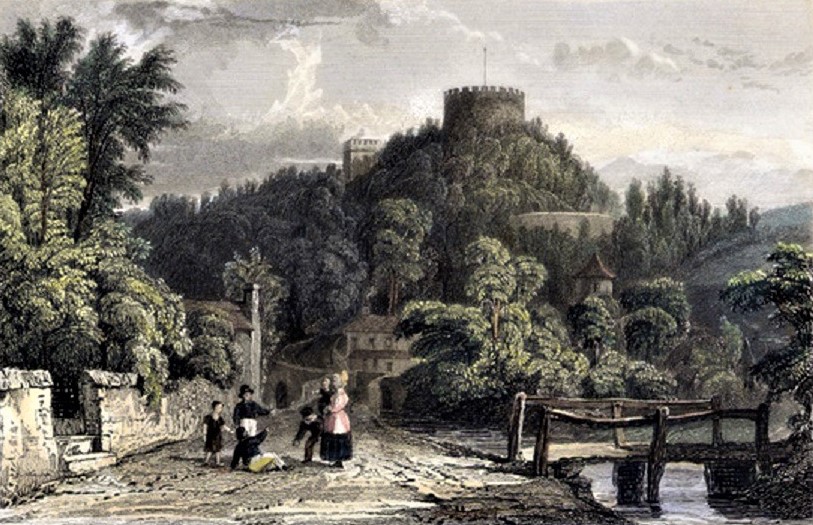
For the original designation of the estate of the ‘Duchy of Cornwall’ and its wealth one has to look far back into history. Following the Norman Conquest a rebellion in 1068 based around Exeter and into Cornwall was suppressed. This led William I to create the first post conquest earldom of Cornwall for Brian of Brittany, later transferred to his half-brother Robert usually referred to as the Count of Mortain. Most of the land in Cornwall was invested to Robert with most of the 277 manors owned by him tenanted by various other people. It was Roberts who began the building of Launceston Castle as his administrative centre and also nearby Trematon Castle. From Roberts death in 1095 until 1225 a number of people were created earls of Cornwall, including during the Anarchy period, Reginald de Dunstanville the illegitimate son of Henry I. Through his marriage and governance of Cornwall he amassed additional estates and wealth. On his death at Chacewater in 1175, with no legitimate sons the earldom went into abeyance.
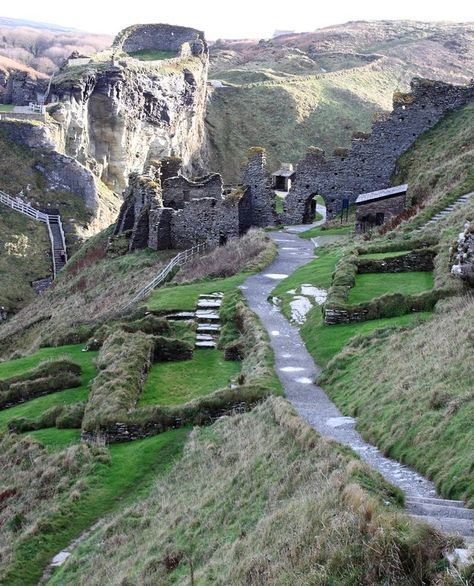
The earldom of Cornwall was revived again in 1225 for Richard younger brother of Henry III and second son of King John. Granted land in Cornwall, much of it from the earlier earldom estates Richard grew to be the wealthiest man in Britain and rich enough to fund his election as King of the Romans in 1256. It was Richard who added the two important castles of Tintagel, which he built, and Restormel to his estates also adding improvements to Launceston Castle. On Richard’s death in 1272 his heir Edmund inherited a vast fortune including Richard’s land acquisitions throughout Cornwall and England. Edmund added to Restormel Castle and built, what we now call the Duchy Palace in Lostwithiel as his administrative centre in Cornwall. Edmund died without an heir in 1300 and the estate passed to the Crown.
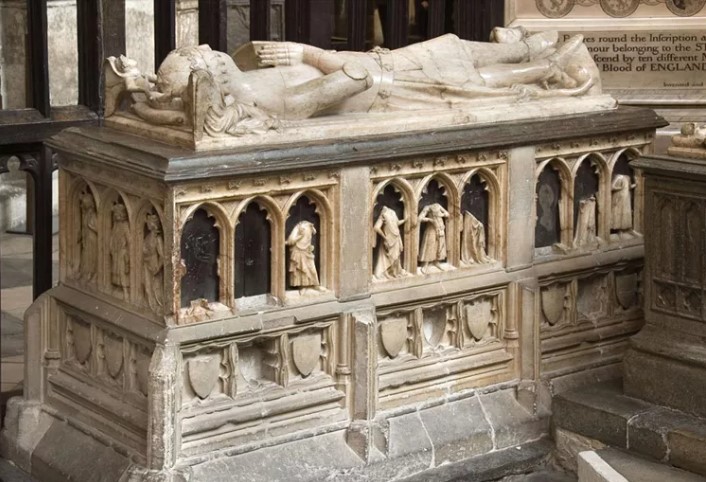
An unfortunate period came when Edward II recreated the earldom of Cornwall for his ‘favourite’ Piers Gaveston. This was not popular with many of the English nobility. After a number of incidents, in 1312 Gaveston was tried by them and lynched. With no heir the earldom again passed to the Crown. Following the death of Edward II his son Edward III made his younger brother John of Eltham earl of Cornwall. During the period of his earldom there seemed to be active management with Cornish tin mines and fisheries contributing to crown finances. The annual income from the earldom exceeding £4,000 by the early 1330s and still included the castles at Launceston, Restormel and Trematon. John was heir apparent to the throne until the birth of Edward’s first son in 1330. In 1336 at the age of twenty John Earl of Cornwall died during a military campaign in Scotland. Embalmed he was brought back and buried in an alabaster-carved tomb in Westminster Abbey. With his death the earldom of Cornwall and its estates again passed to the Crown.
On 17 March 1337 Edward III created the first ever duchy for his son Edward of Woodstock, better known as the Black Prince. The charter creating the Duchy of Cornwall took in the estates of the earlier earldom, This included the lands, manors, mines and other revenues, not just in Cornwall but throughout England. This included much of that gained and built by Richard Earl of Cornwall in the 13th century. The charter granted what might be termed palatine like powers in Cornwall with jurisdiction over courts, mines and customs. It created an estate which would provide a perpetual endowment for the monarch's eldest son. If there was no son then it would revert temporarily to the Crown until there was again a son who would become duke on the accession of his father to the monarchy, or at birth as son to the monarch. Hence King Charles III automatically became Duke of Cornwall on his mother Queen Elizabeth II ascending to the throne in 1952. In 2022 on Charles accession to the throne on the death of his mother his son William automatically became Duke of Cornwall the succession passing seamlessly. It should be noted the title Prince of Wales is not an automatic entitlement and needs to be bestowed.
It was at the time of the creation of the Duchy of Cornwall that the Caption of Seisin took place. This was in effect a survey of the land, properties and revenue of the new duchy. The original documents exist in the National Archives as twenty-nine rotuli of parchment, bound Exchequer-wise at the head. It’s significance lies in the historical information it provides relating to agriculture, fisheries and the rural economy in particular, especially Cornwall. This document and its contents will form part of a later article.

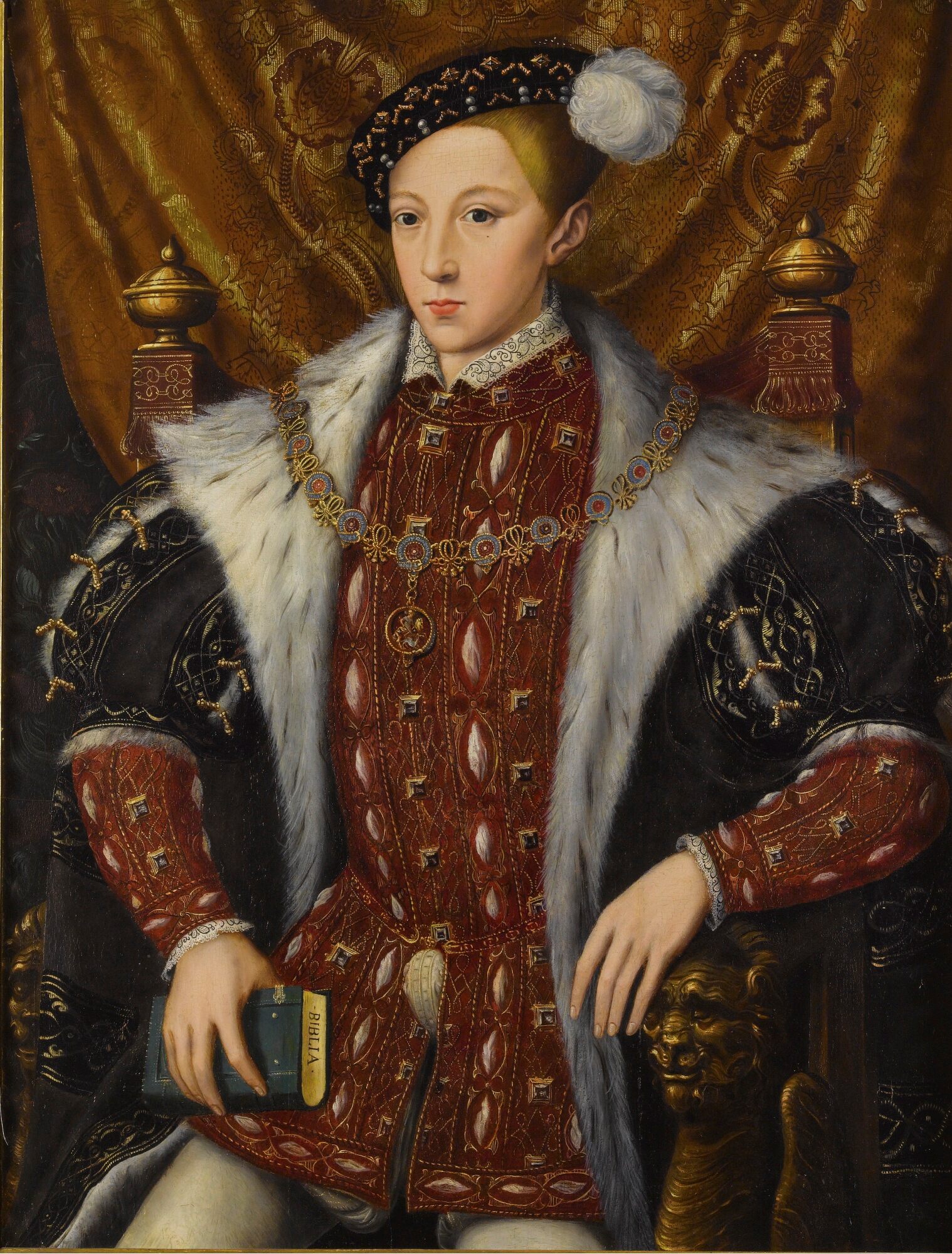
During Edward VI's period as Duke of Cornwall the Isles of Scilly were added to the lands owned by the Duchy.
Since inception in 1337 the Duchy of Cornwall has passed from the royal Plantagenet house through the Tudor, Stuart, Hanoverian, and Windsor dynasties. Down the line of heirs to the crown it has encountered occasional gaps when temporarily reverted to the control of the Crown. The first gap occurred on the death of the Black Prince without an heir in 1376 and not revived until 1399 when Henry IV’s son the future Henry V of Agincourt fame became Duke of Cornwall. On the death of Arthur Duke of Cornwall, son of Henry VII, in 1508 taking the original charter wording literally the duchy should have reverted to the Crown. However, lawyers argued that his brother Henry, as eldest surviving son, should inherit as Duke of Cornwall. Henry VIII eventually had a son the future Edward VI and it was at this time that substantial new estates were added to the Duchy of Cornwall estates. These included forfeited Courtenay inheritance, fifteen manors relieved from the monasteries of Tywardreath and Launceston and the Isles of Scilly.
The death of Edward VI with no heir saw the subsequent reigns of Mary and Elizabeth Tudor with no Duke of Cornwall. Hard up for cash Elizabeth illegally sold eighteen manors including Trematon, Tintagel, and Restormel. Fortunately for Cornwall and the duchy James I later recovered the various properties for the duchy estate. On James I accession to the throne his son Henry became duke in 1603 and on his death James followed the Tudor practice of his second son Charles becoming Duke of Cornwall. On Charles I accession to the throne his surviving second son became duke. During the unfortunate Cromwellian Commonwealth period the duchy was abolished and lands sold. On the Restoration in 1660 of the Stuart monarchy under Charles II the lands were recovered and the Duchy of Cornwall reestablished. With no legitimate sons it was Charles’ brother who came to the throne in 1685 with his son becoming duke in 1688 until he was attainted in 1702. With the overthrow of James for his Catholicism and the accession of his protestant daughter Mary and husband William of Orange there were no Dukes of Cornwall until 1714 when the first Hanoverian George I ascended the throne and the future George II became Duke of Cornwall.
From this point the Duchy of Cornwall was secure with further lands being added over time. By the late 19th century the Duchy of Cornwall estate comprised about 74,000 acres of land, subsequently increasing to around 129,000 acres today. There have been occasional gaps when a male heir did not exist, the estate reverting to the Crown. Edward VII, George V and Edward VIII were all Dukes of Cornwall in turn. On the abdication of Edward VIII in 1936 his brother Albert became King George VI. However, with his heir being a daughter Elizabeth there was no duke until 1952 when her son Charles became Duke of Cornwall following her accession to the throne.
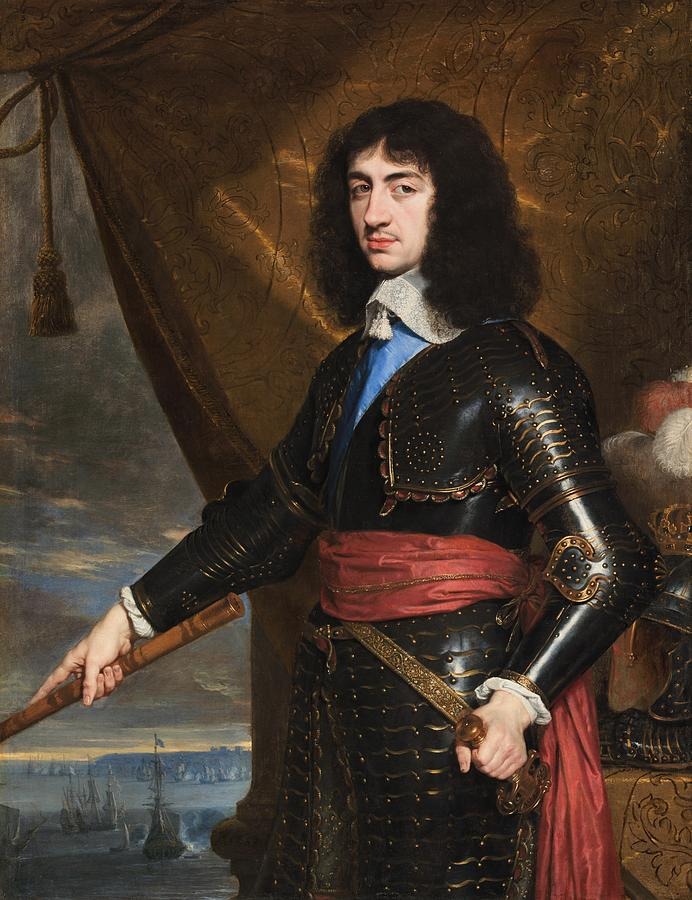
Following the Restoration in 1660 Charles II saw the former Duchy of Cornwall lands lost during the Commonwealth restored to the Duchy estate
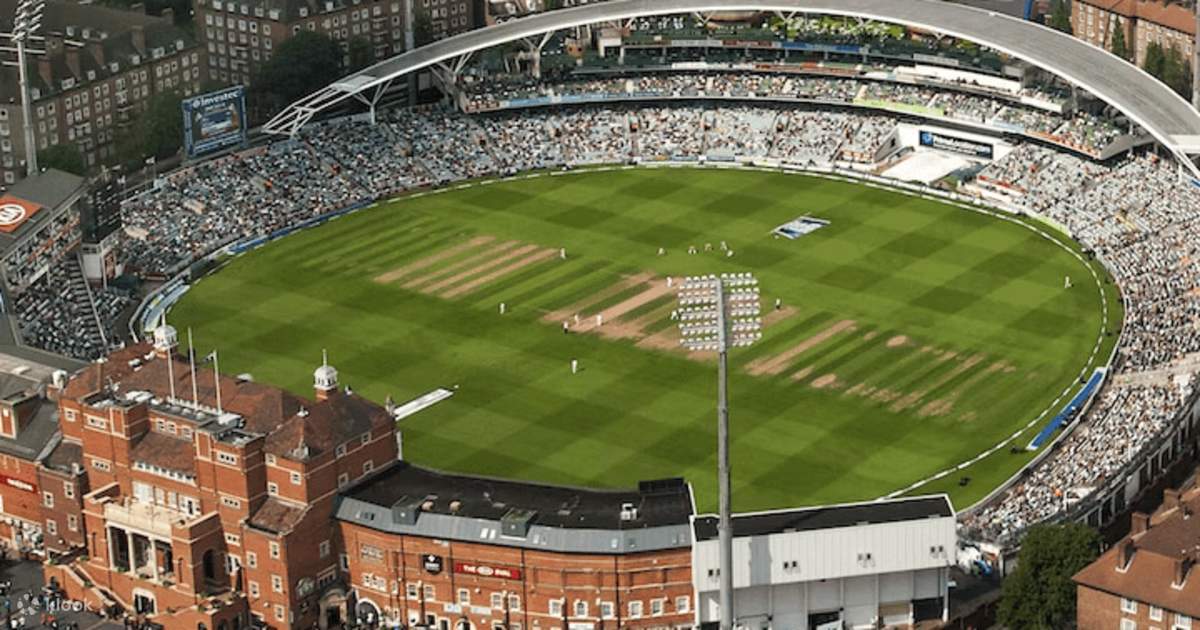
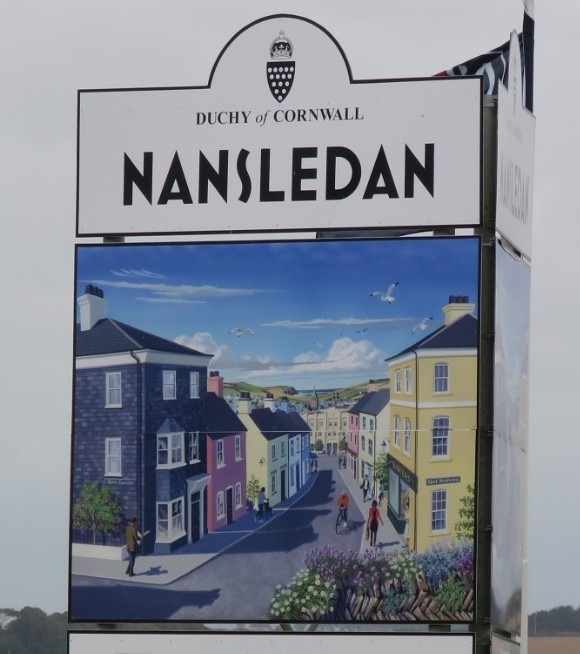
Today a billion pound estate it is very different from the past and has evolved to become far more integrated within communities. New projects including house building on duchy land saw construction of Poundbury in Dorset. This was followed by the duchy estate at Tregunnel in Newquay and later Nansledan on the outskirts of Newquay all having a proportion of affordable housing. Although the duchy estate employs some 200 people its wider operations create other huge economic benefits.
Heritage Column