Ertach Kernow - St Piran patron saint of the Cornish nation
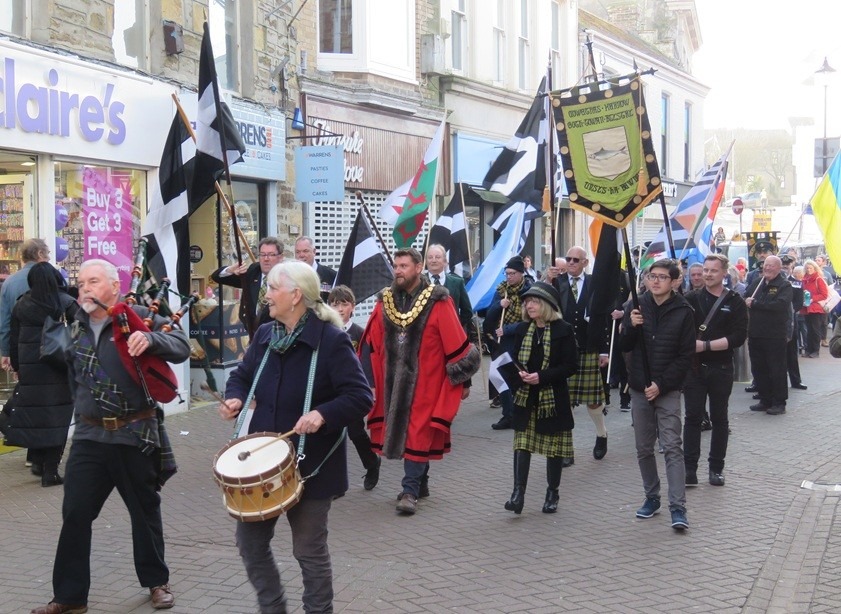
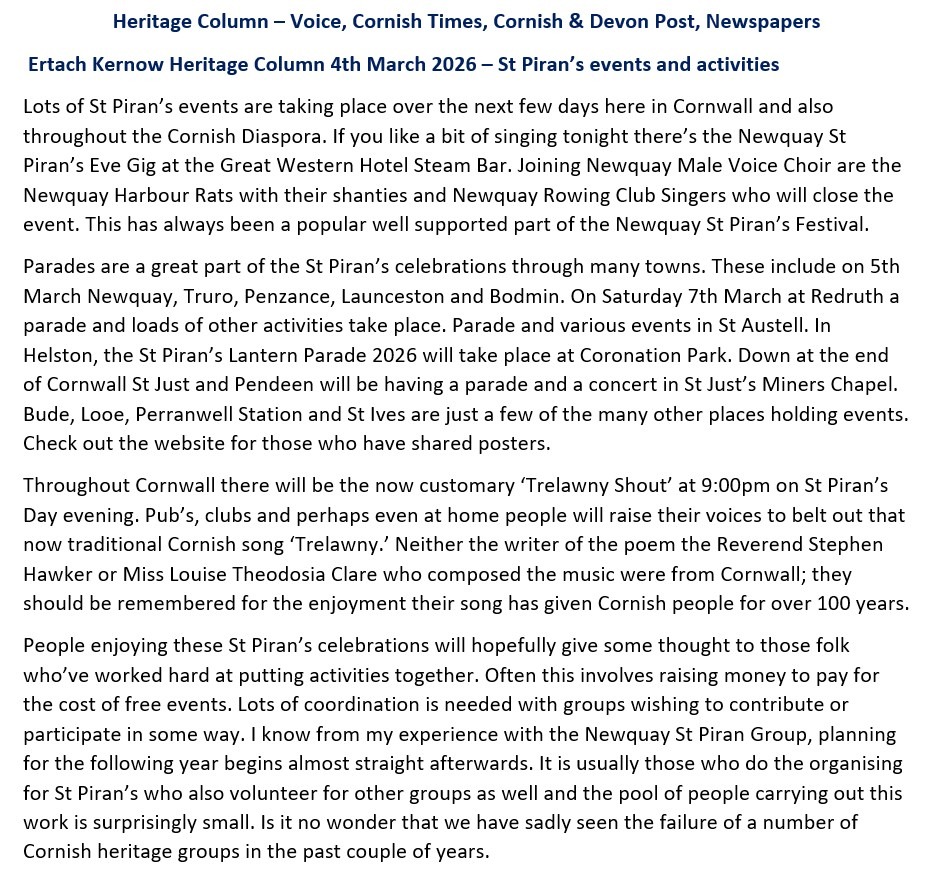
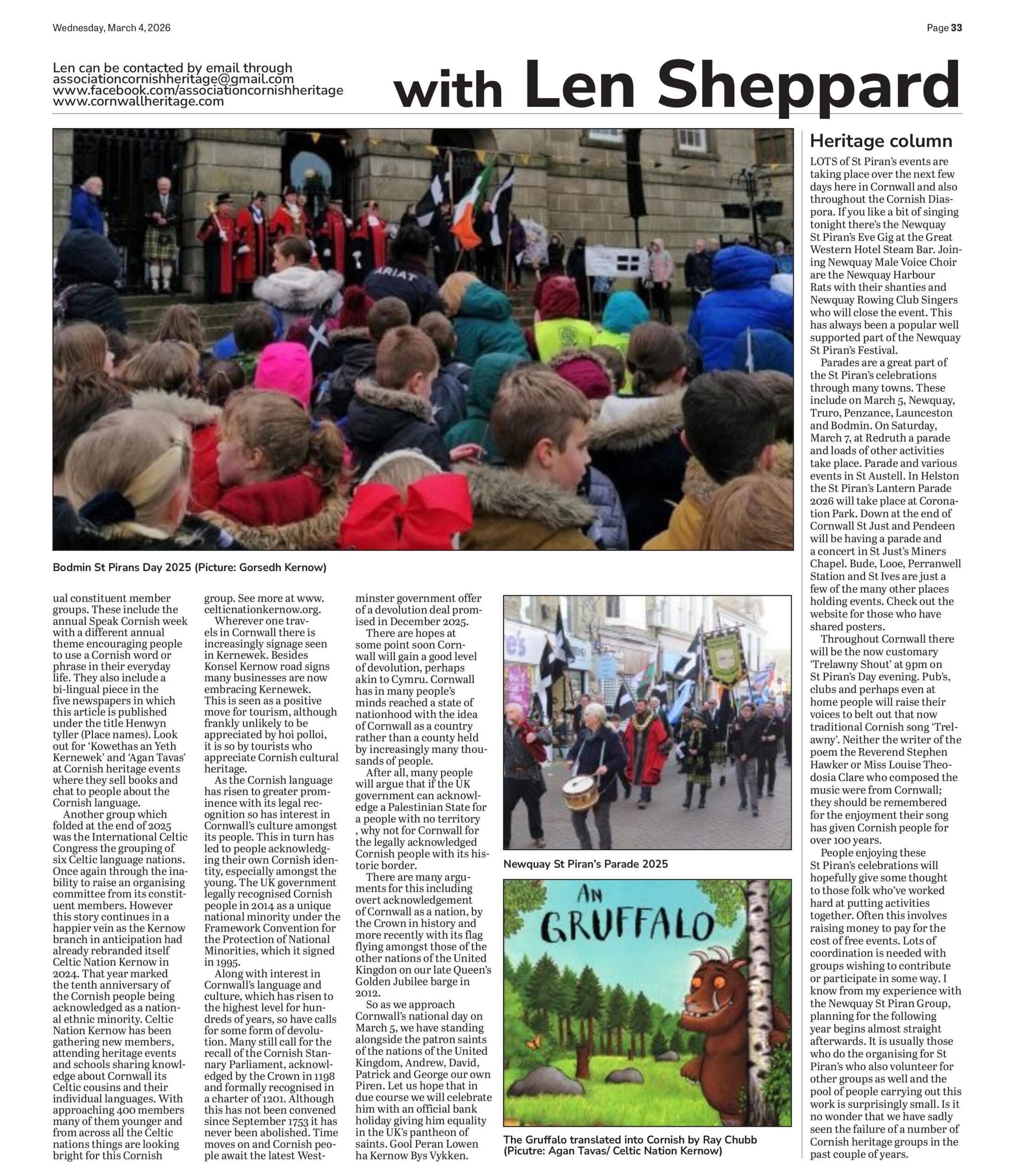
The St Piran’s celebrations on what is Cornwall’s national day seem to get bigger and better each year. It’s not just the preserve of those larger towns; smaller communities are also organising their own local events. Although records show that St Piran had been celebrated as a local saint of tin miners since at least the 18th century it wasn’t until the late 19th and early 20th centuries he gradually became recognised as the pre-eminent saint of Cornwall. St Michael and St Petroc also recognised historically as patron saints of Cornwall have been gradually side-lined in the public consciousness.
As always click the images for larger view
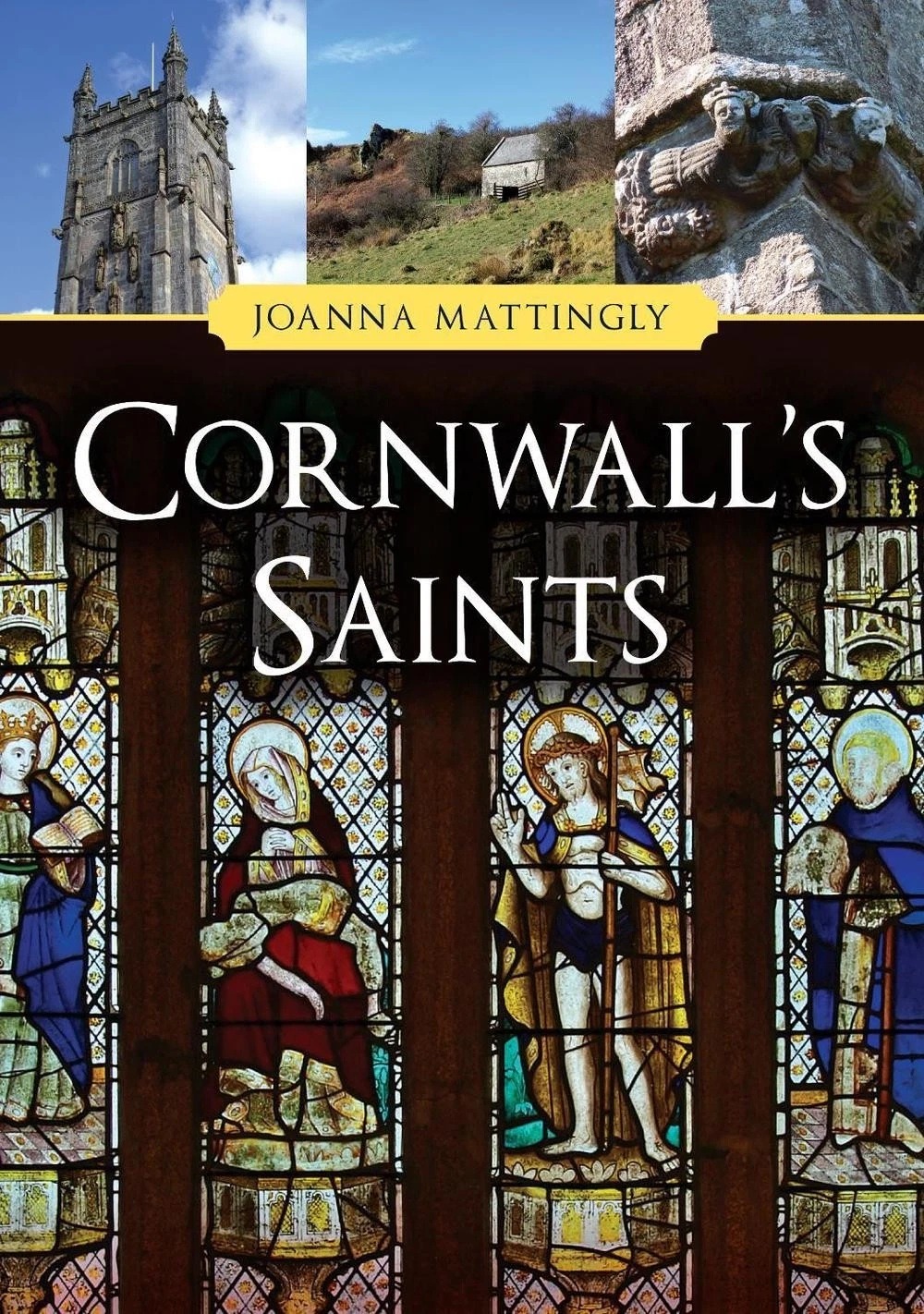
It seems entirely appropriate to mention here the publication of a new book ‘Cornwall’s Saints’ by my friend Dr Jo Mattingly, one of Cornwall’s greatest church experts. Jo says that ‘The book is about what you can see in churches today, and how that reflects what people believed in during the late medieval period.’ This is far more than just a list of saints and their ‘lives’ and is a great addition to help people appreciate Cornwall’s many historic churches. Over the years Jo has written several books relating to churches and other aspects of Cornish heritage and I wish her every success with this her latest book.
With the Celtic revival and the booming tin mining years of the mid-19th century St Piran as the patron saint of tin miners perhaps seemed a suitable candidate as a saint for a nation reclaiming its Celtic identity. The language once thought lost forever was increasingly revived during the first decade of the 20th century and Cornwall was admitted into the Pan Celtic Congress. St Piran became a central figure to the idea of a Celtic nation, as part of the UK, with its national saint much as Cymru (Wales) has St David, Alba (Scotland) St Andrew and Eire (Ireland) St Patrick.
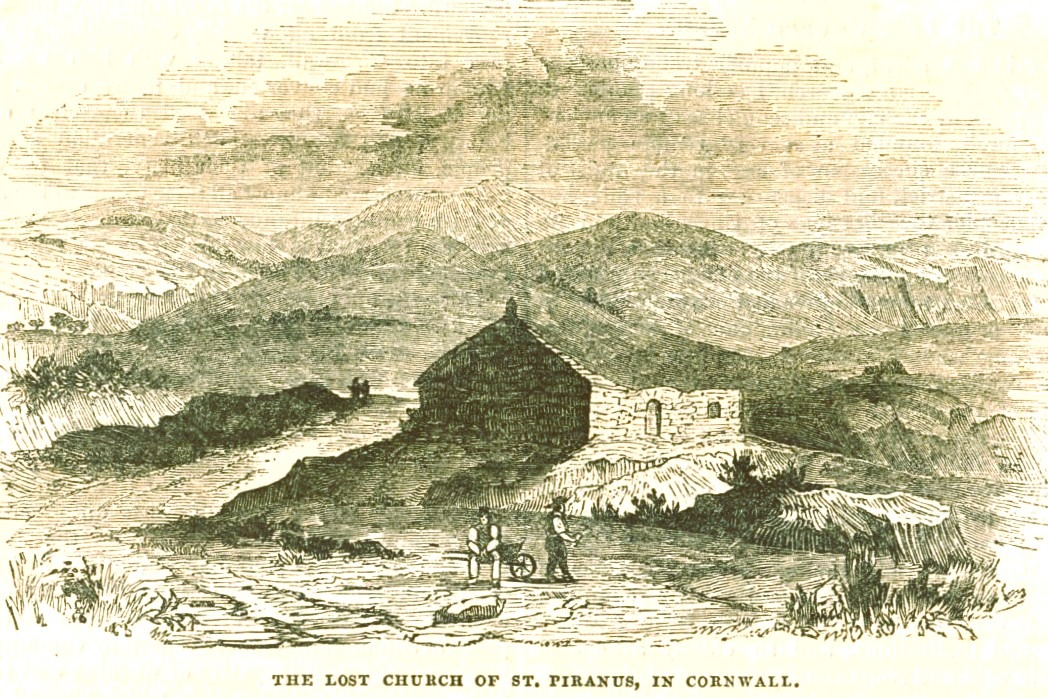
It may have also been inspired by the shifting sands at Penhale, which in 1835 once again uncovered the ancient St Piran’s Oratory. The Baner Sen Peren, Flag of St Piran, taking the black representing rock and white the silver of tin became recognised as the national flag of Cornwall. This was mentioned as early as 1838 by Gilbert Davies and suggested that it was known much earlier. There have been close ties between Cornwall and Brittany since the early medieval period. Was perhaps the design of the Baner Sen Peren derived from the historic ducal flag of Brittany, known as the ‘Kroaz Du’ Black Cross, which is an exact opposite of the Cornish flag.
The first two decades of the 21st century has like the same period one-hundred years ago seen great strides for Cornwall. The 20th century besides the language becoming better known saw the creation of organisations that would aid the preservation and expansion of knowledge about Cornwall and its cultural heritage. The Old Cornwall movement followed shortly afterwards by Gorsedh Kernow and the International Celtic Congress have now been joined by a multitude of other organisations. All of these groups with their own niche interests in Cornwall’s tangible and intangible heritage.
At the forefront of Cornwall’s intangible heritage now acknowledged as a live, albeit endangered, part is Kernewek the Cornish language. Over the past century the revival of the language has seen changes from the original form as preserved in earlier documents. Under normal conditions and time languages evolve and change, spelling alters and words gain different, sometimes additional, meanings. One would likely be unable to understand or read early English, something for academics only. Later Tudor English is understandable but perhaps some of the nuances and spelling less so. Over the past hundred years uncountable numbers of new words have been created to meet the demands of new inventions and a fast changing society.
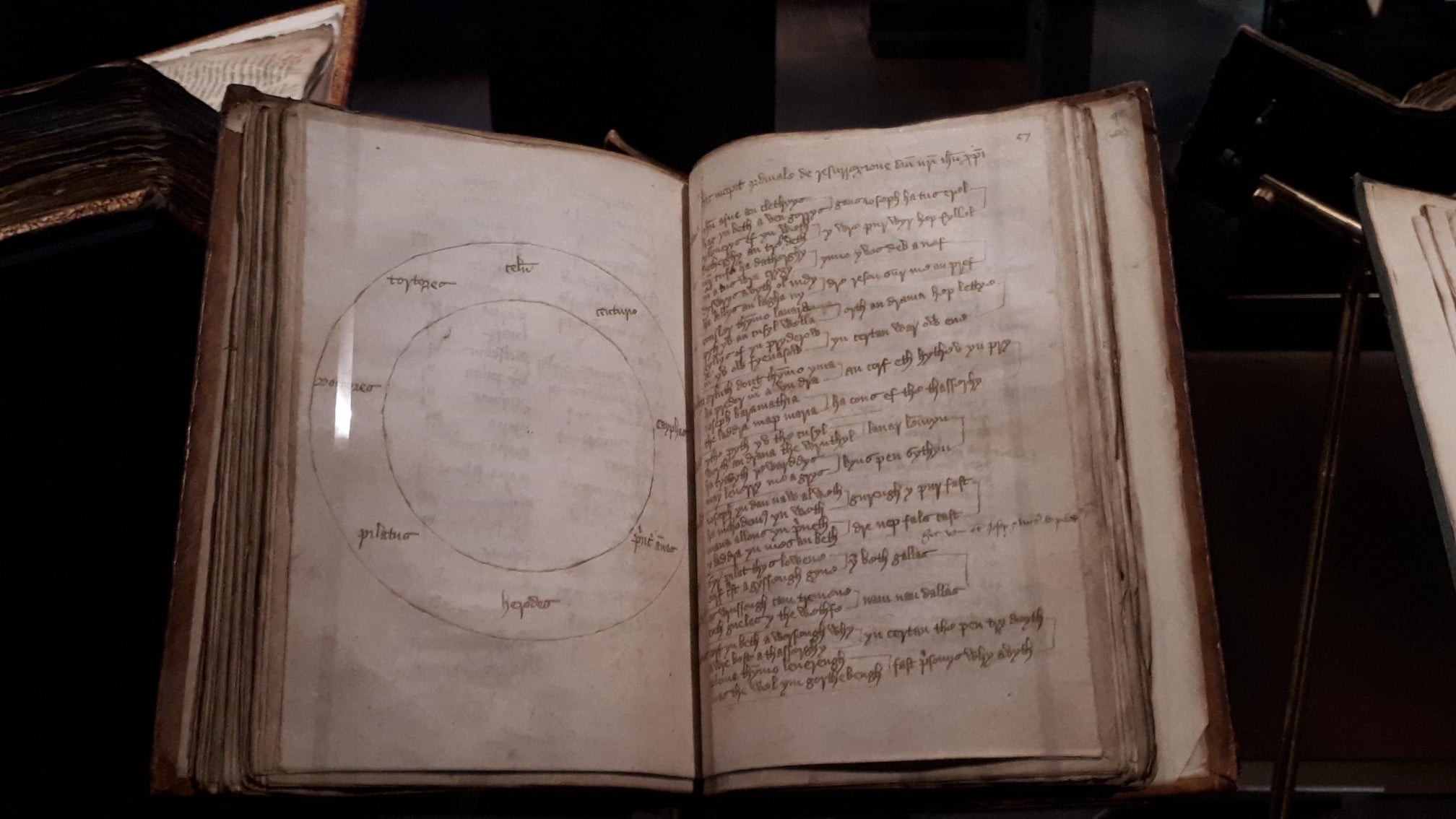
The Cornish language has undergone change from ‘Old Cornish’ following the Anglo-Saxon invasion and limited largely to the borders of Cornwall. By around the years 1200 to 1600 Cornish had evolved into what is generally known as ‘Middle Cornish’ and includes the Ordinallia and some other religious texts. These texts were used to help reconstruct the Cornish language during the period of its revival. Numbers of speakers declined and with the language limited to around Penwith the period from the 17th century saw the ‘Late Cornish’ language period. Although the 19th century saw various publications, including Cornish / English dictionaries it was Henry Jenner’s ‘A Handbook of the Cornish Language’, published in 1904 which is generally seen as the Cornish language revival point. Jenners work was based on ‘Late Cornish’ the point Kernewek had reached in its evolution before the language became almost lost.
During the 1930’s Robert Morton Nance developed ‘Unified Cornish’ based largely on medieval Middle Cornish. Later during the 1980’s Kernewek Kemmyn and Modern Cornish, also called, Revived Late Cornish were developed. For anyone wishing to learn the Cornish language it must have seemed somewhat confusing with factions vying for dominance. In 2002 the Cornish language was recognised by the UK government under the European Charter for Regional or Minority Languages. Fortunately around this time agreement was reached and unification began. This started with the creation of the Cornish Language Partnership in 2005, which agreed a Standard Written Form in 2008. This has been adopted by most groups, although with acknowledgement to some former versions. What would be an evolutionary path normally taken in perhaps several hundred years happened in less than one-hundred and now fluent speakers use a variety of forms in writing.
During the 1930’s Robert Morton Nance developed ‘Unified Cornish’ based largely on medieval Middle Cornish. Later during the 1980’s Kernewek Kemmyn and Modern Cornish, also called, Revived Late Cornish were developed. For anyone wishing to learn the Cornish language it must have seemed somewhat confusing with factions vying for dominance. In 2002 the Cornish language was recognised by the UK government under the European Charter for Regional or Minority Languages. Fortunately around this time agreement was reached and unification began. This started with the creation of the Cornish Language Partnership in 2005, which agreed a Standard Written Form in 2008. This has been adopted by most groups, although with acknowledgement to some former versions. What would be an evolutionary path normally taken in perhaps several hundred years happened in less than one-hundred and now fluent speakers use a variety of forms in writing.
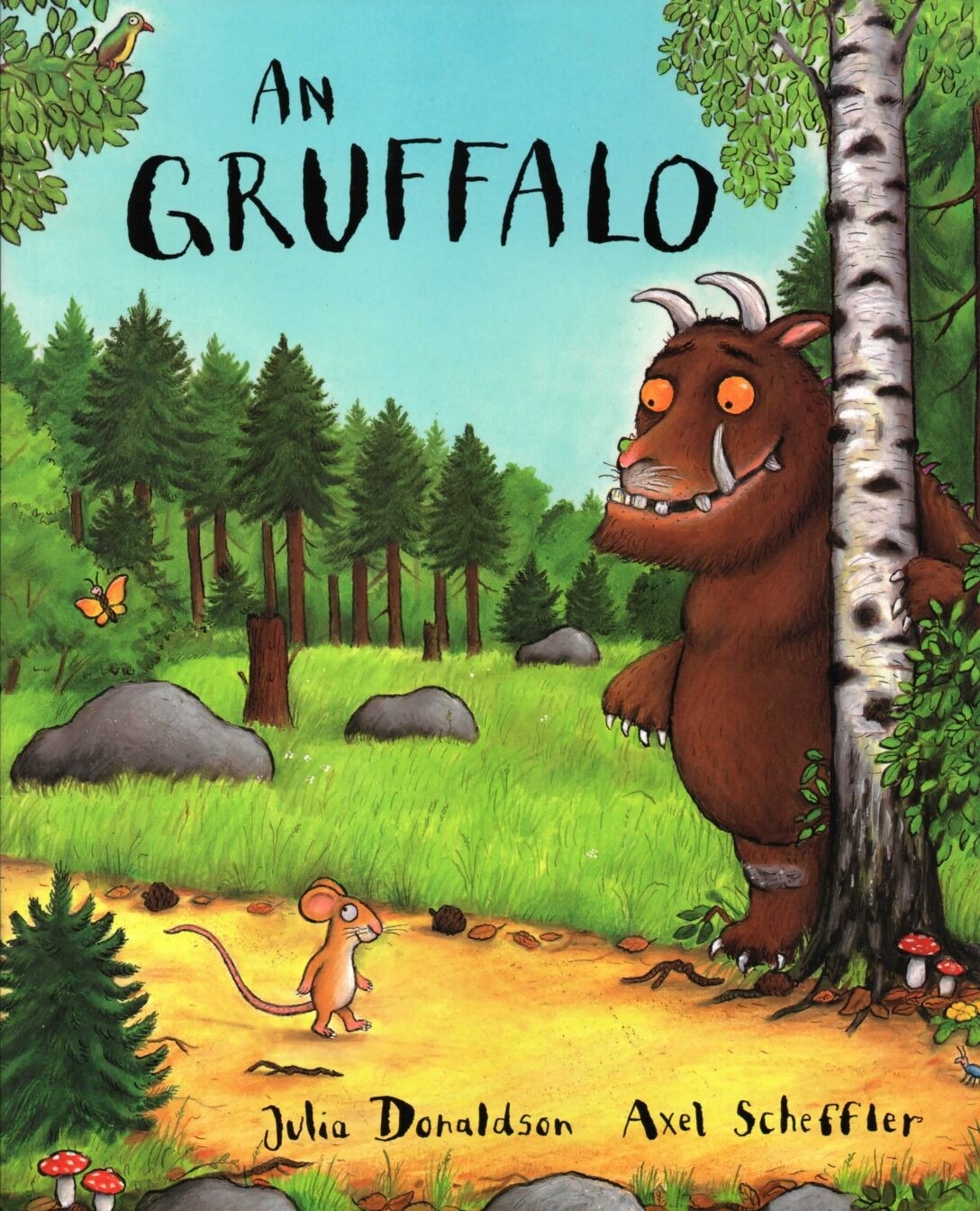
An Gruffalo in Kernewek available from Spyrys a Gernow along with many other books including 'The Hobbit' in Kernewek. Click the link: www.spyrys.org/shop/

Today ‘An Rosweyth’ exists as a Cornish language grouping of organisations under the ‘Speak Cornish’ banner. This includes ‘Kowethas an Yeth Kernewek’, ‘Agan Tavas’ and Kesva an Taves Kernewek and until recently ‘An Kylgh Kernewek’. Sadly the latter folded in June 2025 as there was no one willing to take on the roles of chair and treasurer. Speak Cornish carries out lots of activities as well as do each of the individual constituent member groups. These include the annual Speak Cornish week with a different annual theme encouraging people to use a Cornish word or phrase in their everyday life. They also include a bi-lingual piece in the five newspapers in which this article is published under the title Henwyn tyller (Place names). Look out for ‘Kowethas an Yeth Kernewek’ and ‘Agan Tavas’ at Cornish heritage events where they sell books and chat to people about the Cornish language.
Another group which folded at the end of 2025 was the International Celtic Congress the grouping of six Celtic language nations. Once again through the inability to raise an organising committee from its constituent members. However this story continues in a happier vein as the Kernow branch in anticipation had already rebranded itself Celtic Nation Kernow in 2024. That year marked the tenth anniversary of the Cornish people being acknowledged as a national ethnic minority. Celtic Nation Kernow has been gathering new members, attending heritage events and schools sharing knowledge about Cornwall its Celtic cousins and their individual languages. With approaching 400 members many of them younger and from across all the Celtic nations things are looking bright for this Cornish group. See more at www.celticnationkernow.org.
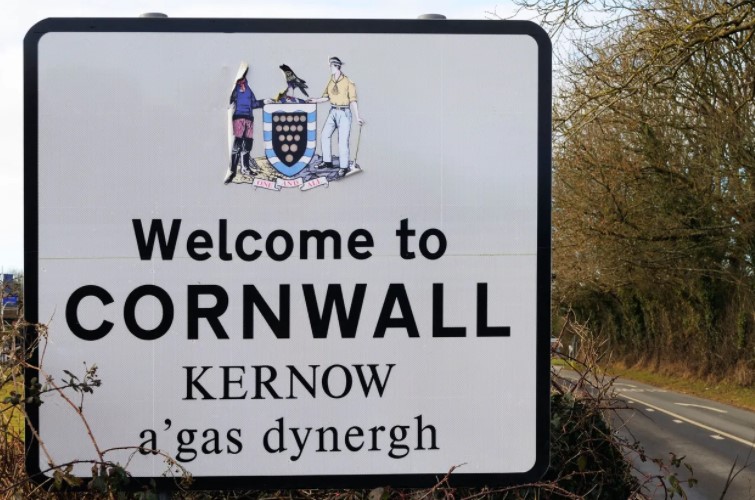
Wherever one travels in Cornwall there is increasingly signage seen in Kernewek. Besides Konsel Kernow road signs many businesses are now embracing Kernewek. This is seen as a positive move for tourism, although frankly unlikely to be appreciated by hoi polloi, it is so by tourists who appreciate Cornish cultural heritage.
As the Cornish language has risen to greater prominence with its legal recognition so has interest in Cornwall’s culture amongst its people. This in turn has led to people acknowledging their own Cornish identity, especially amongst the young. The UK government legally recognised Cornish people in 2014 as a unique national minority under the Framework Convention for the Protection of National Minorities, which it signed in 1995.
Along with interest in Cornwall’s language and culture, which has risen to the highest level for hundreds of years, so have calls for some form of devolution. Many still call for the recall of the Cornish Stannary Parliament, acknowledged by the Crown in 1198 and formally recognised in a charter of 1201. Although this has not been convened since September 1753 it has never been abolished. Time moves on and Cornish people await the latest Westminster government offer of a devolution deal promised in December 2025.
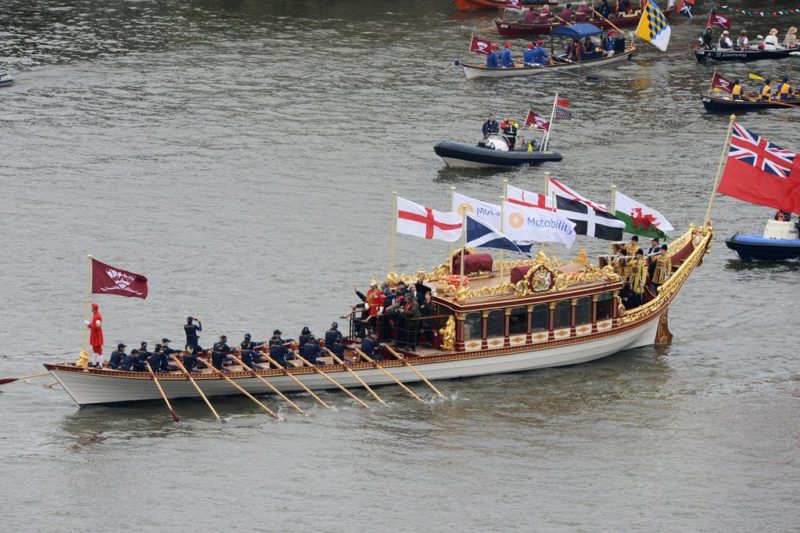
There are hopes at some point soon Cornwall will gain a good level of devolution, perhaps akin to Cymru. Cornwall has in many people’s minds reached a state of nationhood with the idea of Cornwall as a country rather than a county held by increasingly many thousands of people. After all many people will argue that if the UK government can acknowledge a Palestinian State for a people with no territory , why not for Cornwall for the legally acknowledged Cornish people with its historic border. There are many arguments for this including overt acknowledgement of Cornwall as a nation, by the Crown in history and more recently with its flag flying amongst those of the other nations of the United Kingdom on our late Queen’s Golden Jubilee barge in 2012.
So as we approach Cornwall’s national day on 5th March we have standing alongside the patron saints of the nations of the United Kingdom, Andrew, David, Patrick and George our own Piren. Let us hope that in due course we will celebrate him with an official bank holiday giving him equality in the UK’s pantheon of saints. Gool Peran Lowen ha Kernow Bys Vykken.
Heritage Column