Ertach Kernow - Small Cornish archives saving local knowledge
Cornish archives vary in size from our national archive at Kresen Kernow to the smaller ones in Cornwall’s town and villages. It’s wonderful that so many communities have local residents and councillors that support these repositories of Cornish cultural history and cultural knowledge. Having been involved in the Newquay Archive and Museum for many years we have seen a vast drop in local interest. However we are visited by people from throughout England, Europe and beyond who are interested. We are now working to get a selection of our archive of documents and images online to encourage interest in Newquay and districts historic heritage.
This past week one of our volunteers came across a book, one might call it a scrap book of written information about Newquay and various Cornish themes. From the handwriting it was written over a number of years by various volunteers from many decades ago. It turned out to be quite an interesting read.
As always click the images for larger view
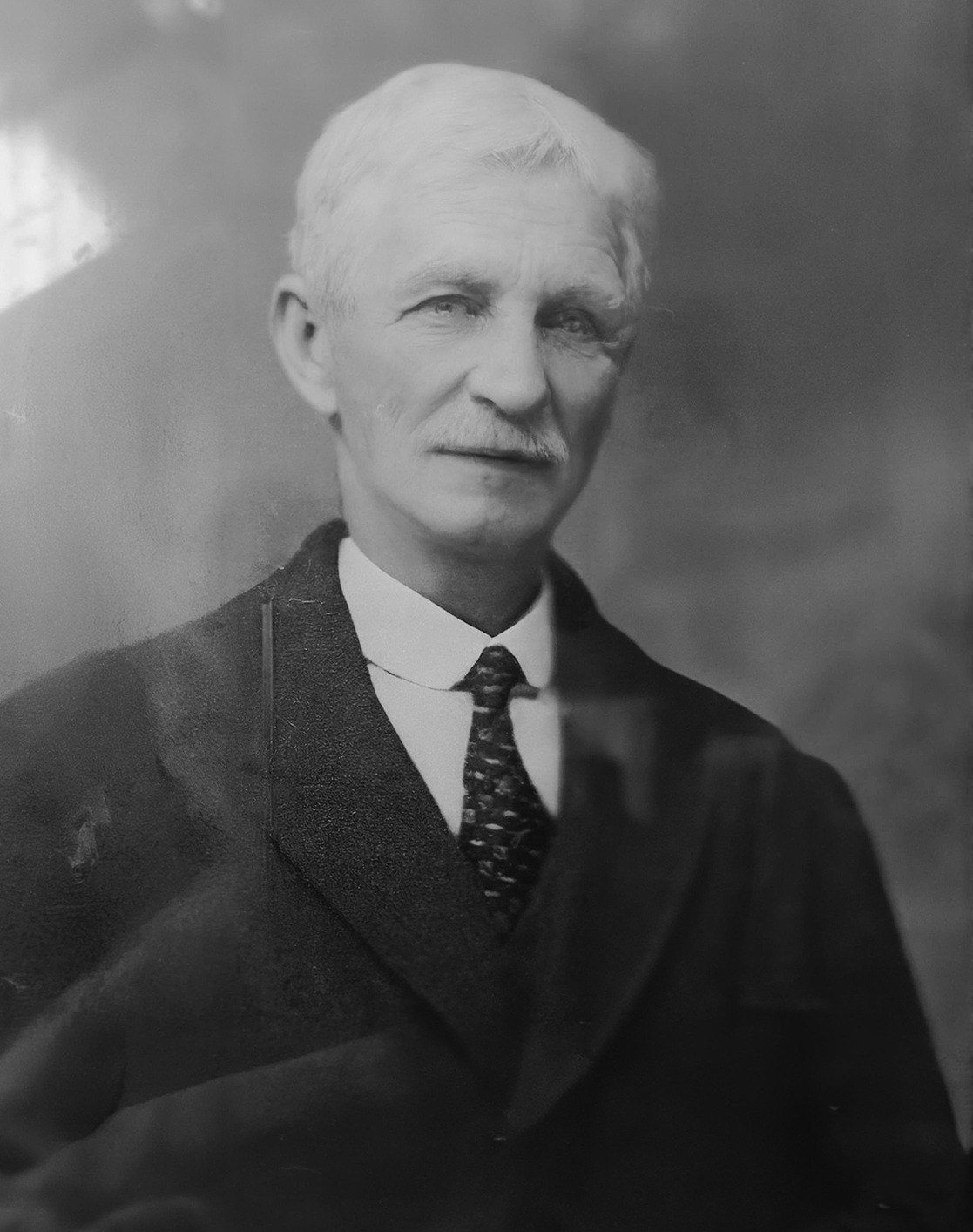
A snippet relating to my own family, William Pascoe, a cousin of my grandmother, who lived opposite them in Sydney Road, Newquay during the early part of the 20th century. This refers to the notorious abortionist Richard Pascoe, better known as Dr Dick. A note in the book mentions Edward Veale of Trevilson, Pentire in Newquay speaking about the good qualities of Mr William Pascoe. Saying he was not responsible for his father’s misdeeds. Edward Veale said Dr Dick was not a qualified man but came from a long line of medical people. There may be groups in Cornwall who may be interested in an illustrated talk about the life and deeds of ‘Dr Dick’ given by Will Hazell entitled ‘The Untold Story of Doctor Dick’ The Quack Doctor who Scandalised Victorian Cornwall. I wish I’d known about this man a long time ago as my late father would have known ‘Dr Dick’. William Pascoe had a very good singing voice and used to sing regularly along with his cousin George Pappin in the Missionary Church (PSA) at Newquay Harbour where their photographs are still displayed.
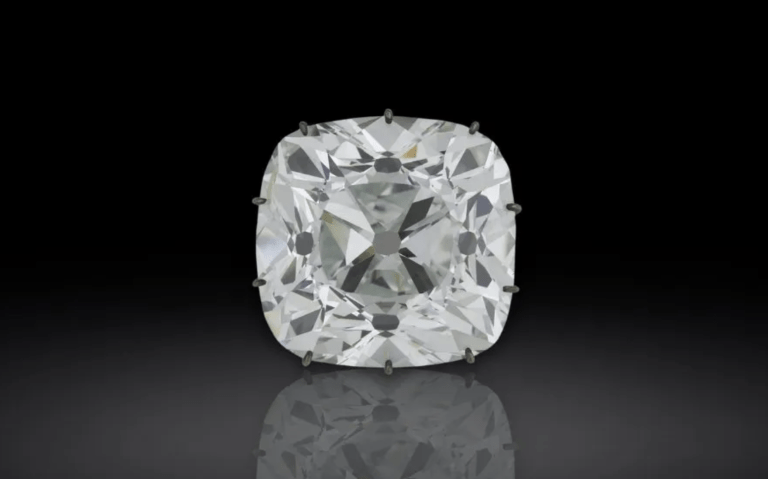
Whilst some of the notes in the book are direct transcriptions there are some which have been written at length and likely never been published. In due course these might be added to an online page. A series relating to 18th century Cornwall has an unknown author and was written during November and December 1957. Too lengthy to repeat here it does however mention what is known as the ‘Pitt Diamond’ and its Cornish connection.
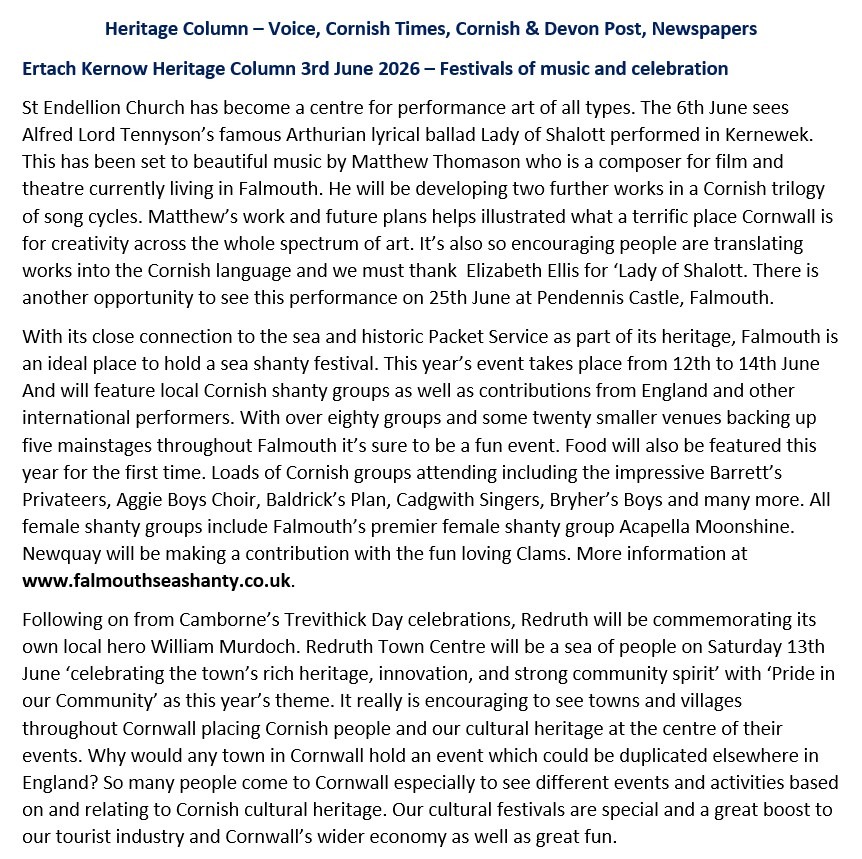
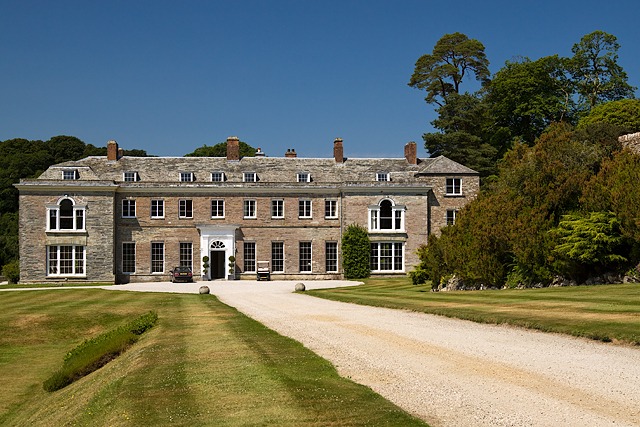
Thomas Pitt was a merchant who made a fortune in India, where he acquired a large and valuable diamond for £20,400 often referred to as the ‘Pitt Diamond’. Pitt sold it in 1717 for £135,000 to the French Regent, Philippe II, Duke of Orléans He then purchased the Boconnoc estate for £54,000. Now known in France as the ‘Regent Diamond’ it can be seen on display in the Louvre. Today it is valued in excess of £60 million. Thomas Pitt was also the father of two UK Prime Ministers. At the time of discovery this was the third largest diamond in the world after the Koh-i-Noor and the Great Mogul Diamond, also known as the Orlov Diamond. Today the largest cut clear-diamond in the world, cut from the rough Cullinan Diamond, is the ‘Great Star of Africa’ at 530.4 carats part of the British Crown Jewels. The Boconnoc estate is privately owned but open to the public for many events carried out there. The property has undergone much refurbishment recently but we should perhaps be thankful Thomas Pitt for his earlier work on the estate and his family connections leading to the present owners.
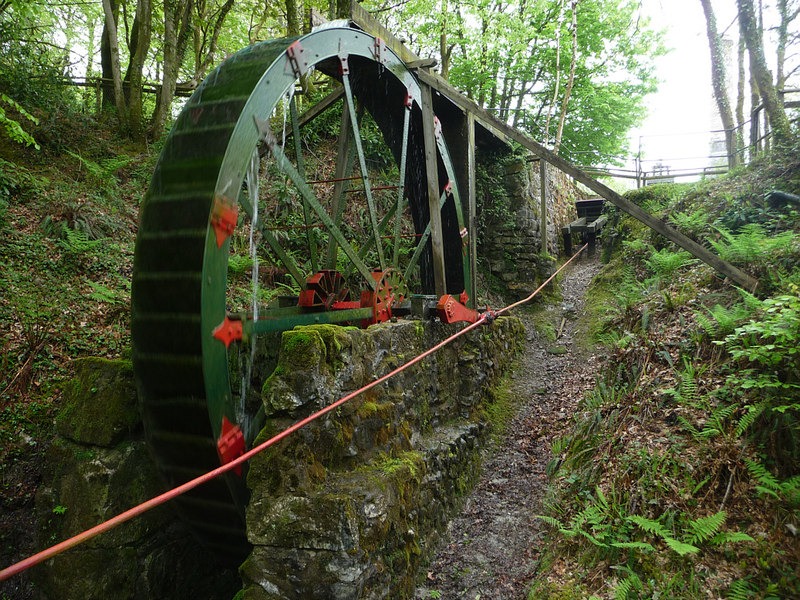
It’s interesting to read what the writers were motivated to write about. A lengthy piece on blowinghouses was apparently someone’s 10th lecture written in December 1957. Blowinghouses were where the tin was smelted and prior to that from early times the tinners would do that themselves. The licencing of blowinghouses and the new knowledge of the use of coal instead of charcoal in smelting not only affected Cornish tin production but also iron and part of the early Industrial Revolution in Britain. Before the coming of the steam engine blowinghouses needed to be close to a running water source to power a waterwheel. Steam engines would in time transform Cornish mining and smelting, although often largely overlooked in English history lessons, allowing Cornwall to be at the forefront of the British Industrial Revolution.
There are always those folk who seize an opportunity for a wisecrack. Written in 1958 this story came from Mrs Chubb senior, an owner of Newquay printers and publishers Hartnolls. ‘Many years ago the Newquay inhabitants held a public meeting with the object of publicising the town as a holiday resort. The meeting was held in the Victoria public rooms and the building was packed. At the outset the chairman embarked on a speech extolling the beauty of the town. He said we have wonderful coastline, our beautiful beaches but oh we are troubled with the wind. Instantly came a response from the back of the hall, when a powerful voice said, ‘have you ever tried peppermint mister’. A remark that brought the house down.’
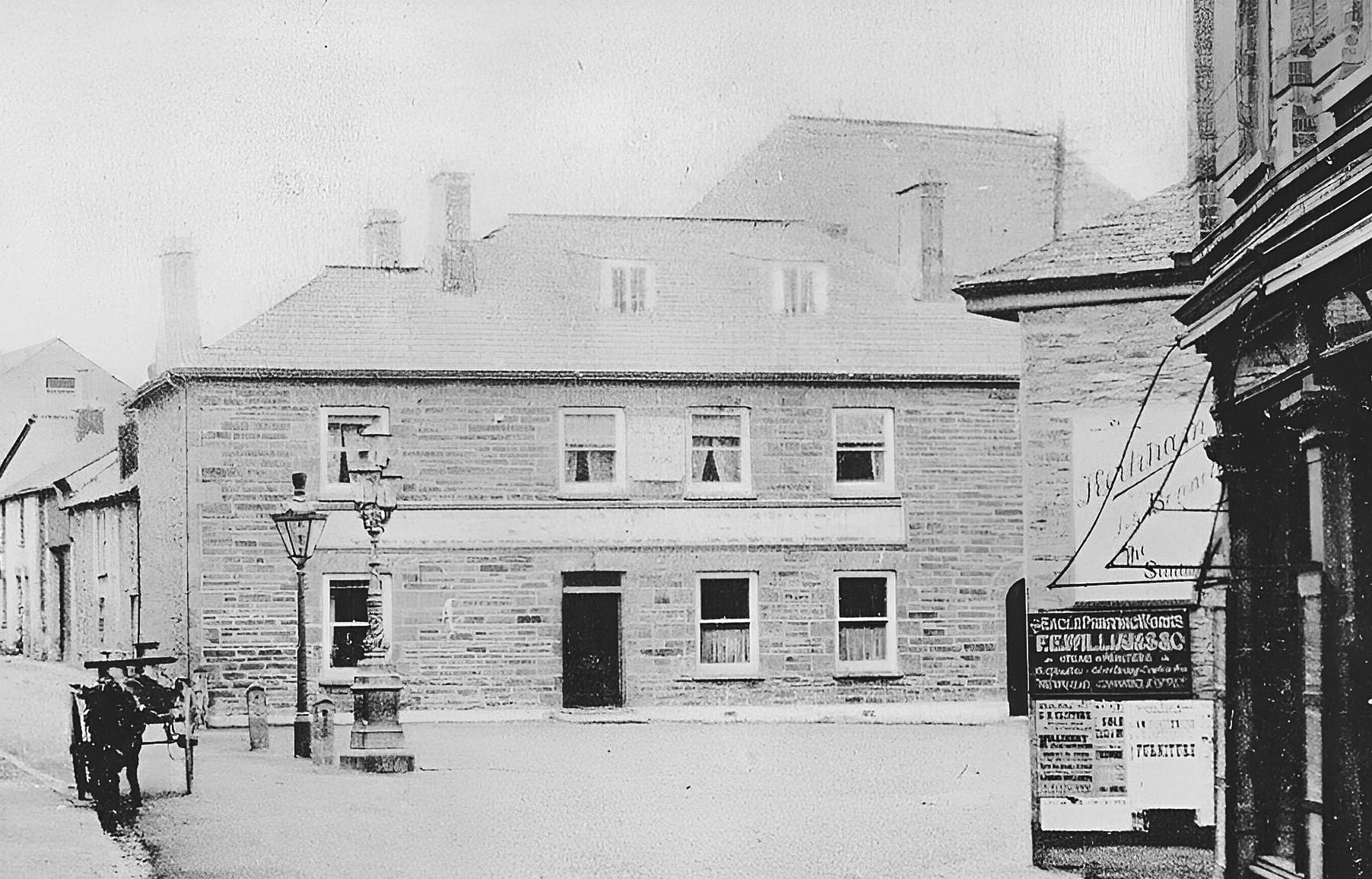
Following the Wesley brothers preaching tours around Cornwall during the 18th century other others would take up the mantle continuing the growth of Methodism. The Reverend Richard Treffry from Tregony was a minister for some fifty years including being President of the Methodist Conference in 1833. This unpublished record shows he visited the Newquay area on 25th August 1802 and wrote; ‘Rode to Newkey, a fishing port in Lower St Columb to a tolerable congregation, we were entertained by Mr Carter at an Inn.’ Reverend Treffry returned on 17th November saying of this visit ‘Rode to Newky, preached to a tolerable company, but the people at the inn were very troublesome, drunk and quarrelsome.’ The inn in question being the Central prior to its rebuilding in 1859 and was often referred to as the ‘Old Inn’, before becoming the Commercial Hotel. John Carter was its landlord for a number of years. Obviously Methodism and teetotalism would have an uphill battle in Newquay, although many chapels were built in the coming decades.
Click the link for more information relating to the clock. A current image and pre-restoration image have been added to the webpage ‘Aspects of St Mary’s Aisle at Truro Cathedral’ (No’ 286)
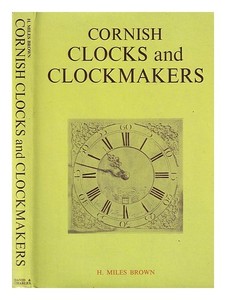
In December 1960 the author Dr H Miles Brown gave a lecture to the Royal Institute of Cornwall on Cornish clocks and clock makers. The following year would see the publication of his book by the same name. This record notes some of the things mentioned by Dr Brown. ‘1680-1750 were the formative years for the craft after 1750 it became subject to mass production methods – the movements being produced in English factories and assembled in Cornwall, though some good handmade clocks were produced after that date.’ As an aside I must mention the clock made in 1770 for St Mary’s Church, Truro. The church was later be replaced by Truro Cathedral which now includes part of the earlier church, St Mary’s Aisle. The 1770 clock workings although replaced within the cathedral in 1904 still exist. I was recently privileged to be invited by a private owner to view this clock, less the clock faces, which has been totally restored and in full working order. The date when first built can be seen, it’s a wonderful thing to see restoration carried out on historic pieces such as this and hear it chime.
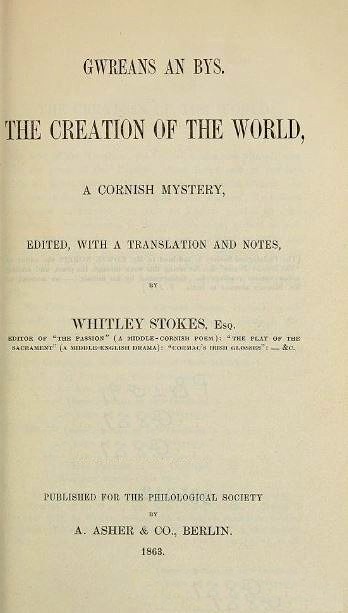
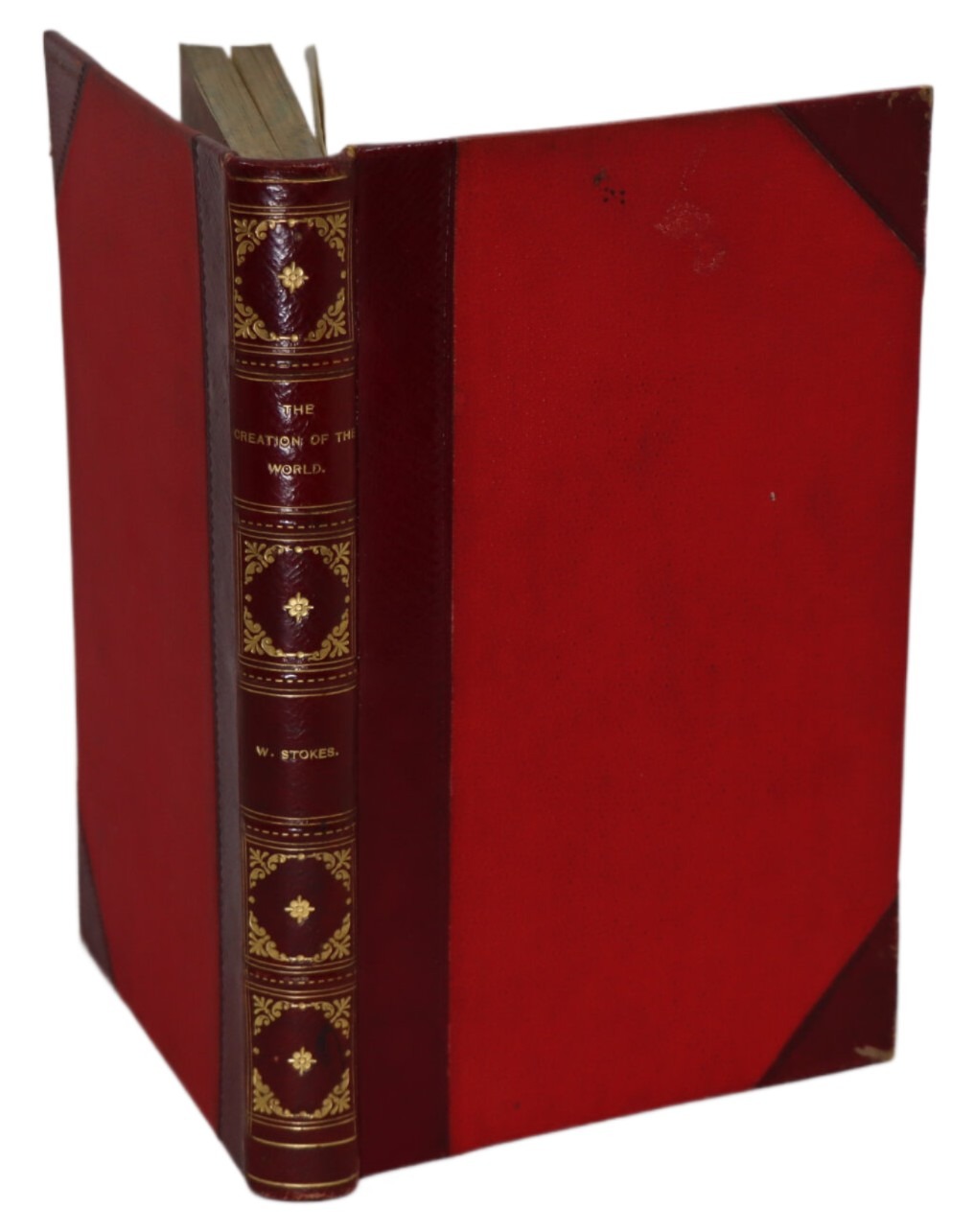
This textual scrapbook made notes on Cornish mystery plays. ‘In Cornwall the mystery plays were differently represented. They were not performed in churches nor undercover but in the open air.’ It then includes quotes from Richard Carew’s ‘Survey of Cornwall’ published in 1602. It continues; ‘three of these Cornish miracle plays in the native …. dialect were edited and translated by Mr Edward Norris in 1859 under the title ‘The Ancient Cornish Drama’. He considers their date 15th century but the language used shows their origins to belong to a period earlier than the 14th century.’ It continues; ‘in the Harleian Library is preserved a miracle play of this kind in the Cornish language, written by Wm Gordon AD1611, translated into English by John Keigwen 1693. It begins with the creation and end with Noah’s flood.’ This is interesting that this ‘miracle play’ was written so long after the earlier 14th century Cornish ‘mystery plays’ and in the Cornish language. It was actually William Jordan who wrote this and he was also misnamed by well-known Cornish folklorist William Bottrell in 1873. Whitley Stokes the acclaimed Irish Celtic scholar carried out a translation published in 1863 under the title ‘Gwreans an Bys: the Creation of the World’
Readers who are interested in local history and wish to devote a few hours a month to your communities archive, I’m sure you would be most welcome. A variety of volunteers are always needed to carry out a multitude of jobs; some require very little in the way of skills. It might be data input onto a computer or just wandering around the town, village or district recording images of activities and buildings. Without the help of volunteers much of Cornwall’s history especially from recent times will be lost to future generations. Archives need workers and contributors. Could you really help your local community archive in some way?
Heritage Column