Ertach Kernow - Porthleven links to mining explosives
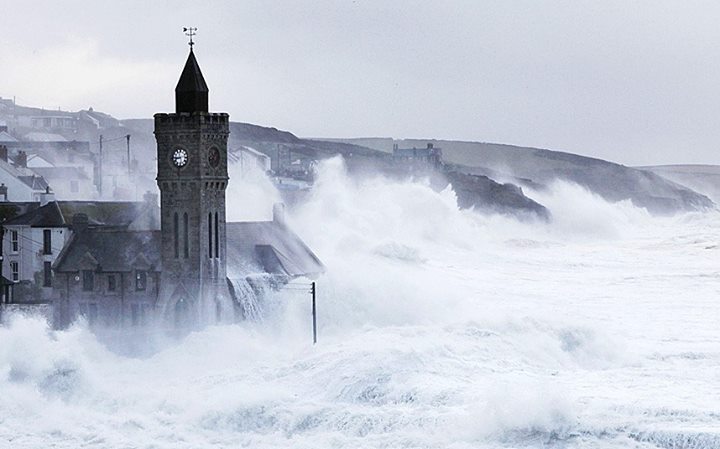
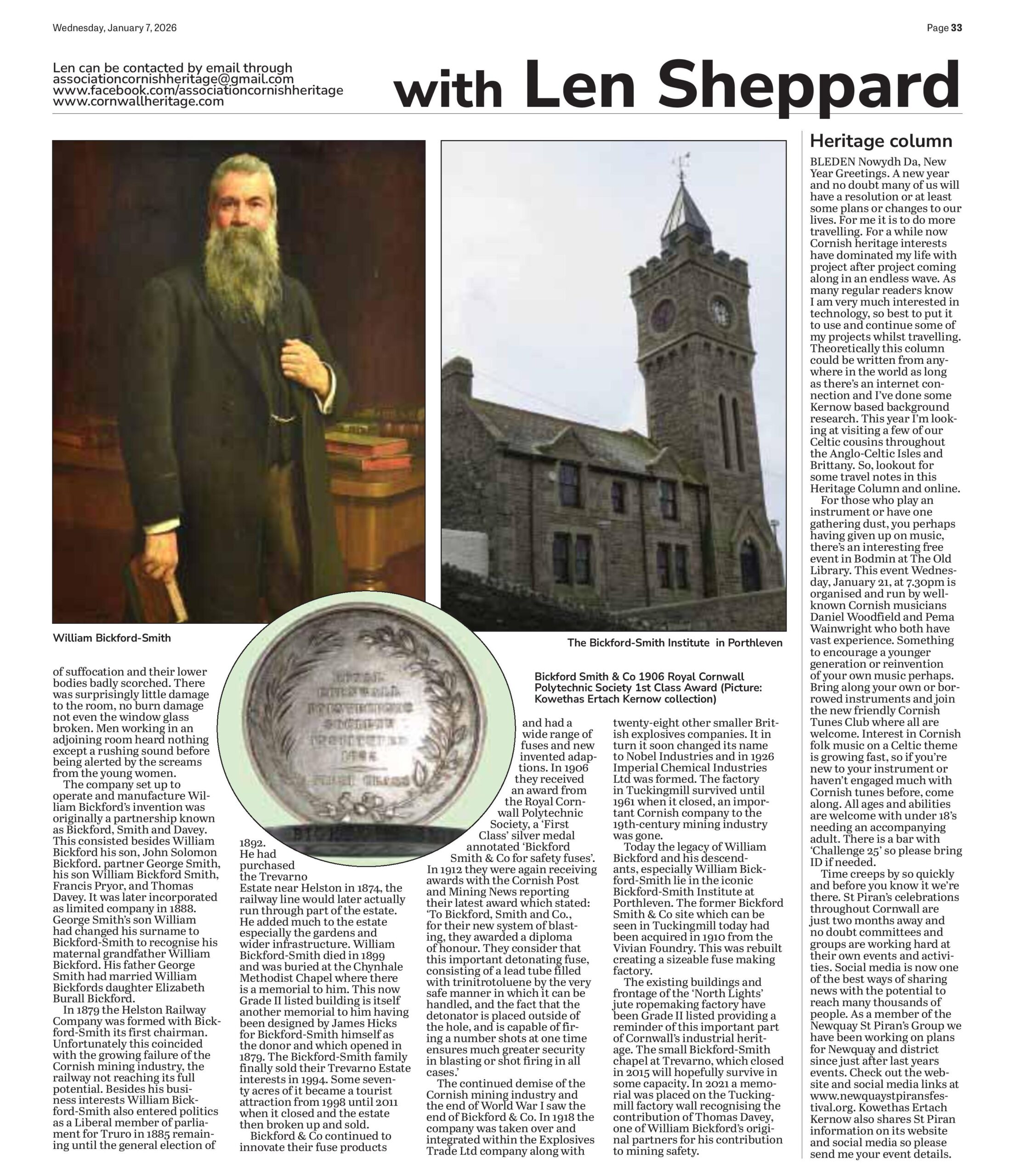
Porthleven during a storm is perhaps one of those places which are constantly photographed with huge waves crashing and spray enveloping the Bickford-Smith Institute. So, who was Bickford-Smith and how did the institute building get his name? As far as the institute building and clock tower are concerned, it was one William Bickford-Smith who paid for its construction begun in 1882.
As always click the images for larger view
This was a time when wealthy philanthropists were keen to encourage education amongst the poor and ordinary folk. Besides Bickford-Smith perhaps the best known of these Cornish philanthropists was John Passmore Edwards who funded libraries throughout Cornwall and beyond. Whereas Passmore Edwards had earned his fortune through publishing Bickford-Smith had connections to Cornwall’s mining industry. His institute at Porthleven was besides a lending library, a scientific and literary institute. Opened in December 1884 at a cost of £2,000 its clock tower is seventy feet high and in its reading room provided newspapers, magazines and books to be read on huge wooden tables.
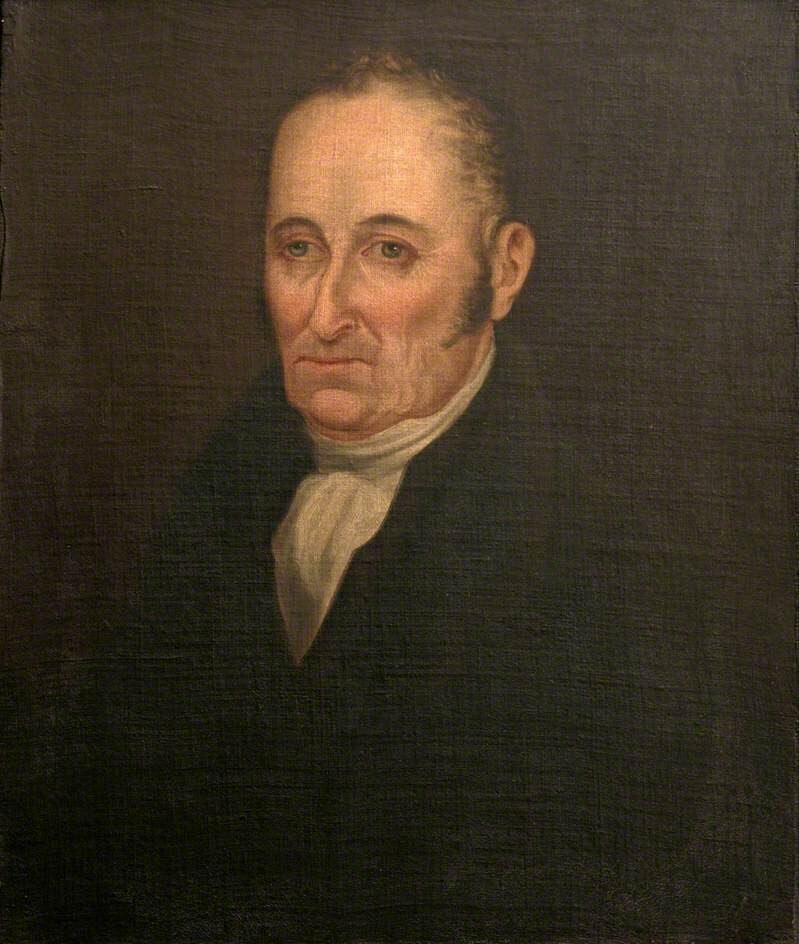
The Bickford-Smith accumulation of sufficient wealth to finance the institute began with William Bickford born in Ashburton Devon in 1774. Besides being a leatherworking merchant William was also an inventor. Firstly moving to Truro to run his currier business he later moved to Tuckingmill, Camborne. There he became acutely aware of the loss of life in mining especially those relating to explosives. He began to investigate methods of improving the safety of firing the explosives in Cornish mines. William Bickford died at Tuckingmill in 1834 having seen the success of his invention but before the opening of the factory.
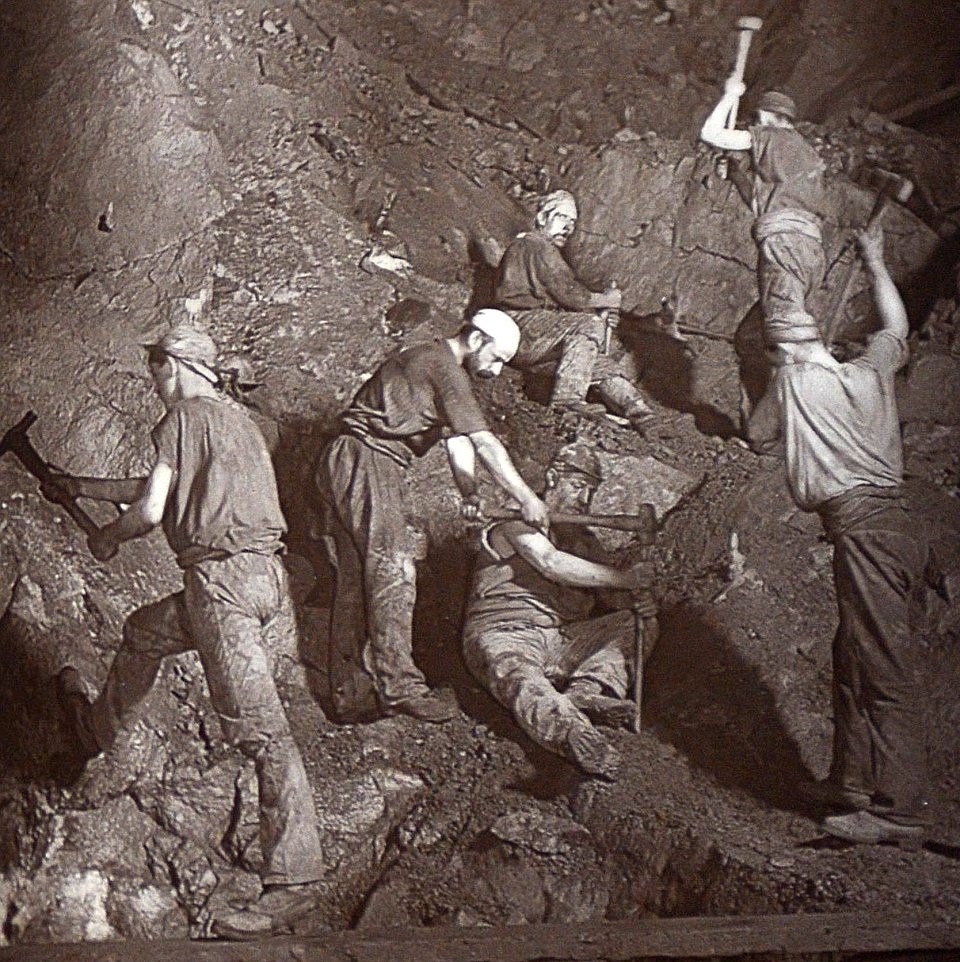
The history of using explosives can be traced back to 1627 when recorded as being used in the then Hungarian town of Banská Štiavnica, now in Slovakia. By 1670 the use of ‘Black Powder’ also often called gunpowder was being used in Cornish tin mining brought here by German miners. The procedure for use was to drill a deep hole and fill it with Black Powder and tamping it down. A fuse would be inserted such as a reed filled with powder or a goose quill. This was a very dangerous procedure and if things went wrong result in blinding, loss of limbs or death. Black Powder dust could be ignited by the smallest spark hence why not used in coalmines with their high level of methane. In 1866 Alfred Nobel had invented dynamite which was used in Cornish mines from about 1870.
The issue of the fuses used for igniting explosives was a major issue in mining, something that William Bickford had become aware. He had observed some ropemakers twisting the separate strands of rope together to make a rope. By 1831 he had invented and patented a machine which would wind strands of cord around a thin core of Black Powder in one direction and then rewind it again with another layer of cord in the reverse direction. This ensured the rope like covering did not unwind. It was then coated with varnish to make it waterproof. The fuse once lit would burn steadily along its length without going out. The time for any given length could be measured and the miner laying the explosives could cut off the necessary length to ensure time to get to safety.
This was a huge breakthrough but didn’t eliminate other mining accidents and death. Over the decades that followed there would be some horrendous mining disasters in Cornwall, but far fewer than would have been but for William Bickford’s invention of the safety fuse. However deaths due to explosives still occurred and in 1836 the following report was published in the Royal Cornwall Gazette. Fatal Mine Accident – ‘On Saturday the 30th January as two miners named Walter Thomas and William Moyle, were employed in the sumpshaft of Trevenen mine, in the parish of Wendron, a hole which they had prepared for blasting missed, the train failed to convey the fire to the charge. This being the case they were obliged to pick out the tamping, etc for the purpose of laying a new train, and while doing so it unfortunately exploded, by which accident Thomas was killed, and Moyle so seriously injured in the face and head as to render his recovery extremely doubtful. We have not been able to ascertain whether the unfortunate men were using the nail or the safety fuse, but in either case, where the train fails, the peril in picking out a hole is much the same.’
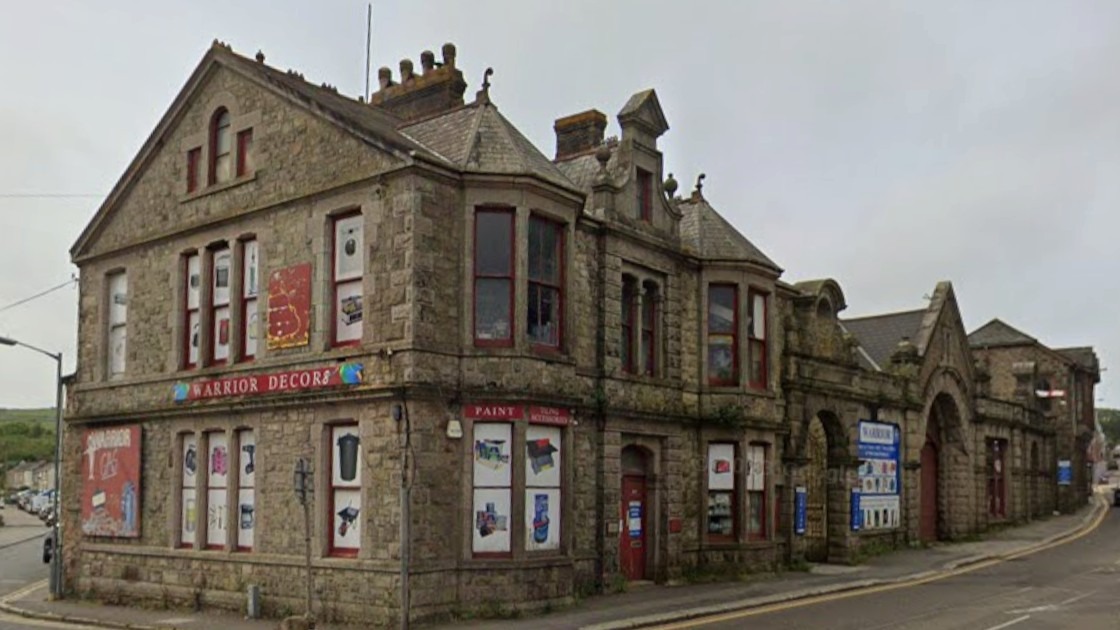
Sadly the deaths in Cornish mines transferred to the factory where the fuses were being made. This was a task undertaken by women and in the days before strict health and safety regulations accidents did occur from time to time. The worst of these took place on Saturday 30th March 1872 when a tragedy occurred with eight young women in their twenties killed and several others injured. The West Briton reported that the safety within the Tuckingmill factory had been exemplary and these being the first fatality in forty years. Prior to the Easter holiday the number two spinning room was to be cleaned and all evidence of Black Powder removed. Somehow a spark from a dropped machinery part ignited dust between the floorboards leading to a heap of completed fuses catching fire. Many women escaped although injured by falling, eight did not and died of suffocation and their lower bodies badly scorched. There was surprisingly little damage to the room, no burn damage not even the window glass broken. Men working in an adjoining room heard nothing except a rushing sound before being alerted by the screams from the young women.
The company set up to operate and manufacture William Bickford’s invention was originally a partnership known as Bickford, Smith and Davey. This consisted besides William Bickford his son, John Solomon Bickford. partner George Smith, his son William Bickford Smith, Francis Pryor, and Thomas Davey. It was later incorporated as limited company in 1888. George Smith’s son William had changed his surname to Bickford-Smith to recognise his maternal grandfather William Bickford. His father George Smith had married William Bickfords daughter Elizabeth Burall Bickford.
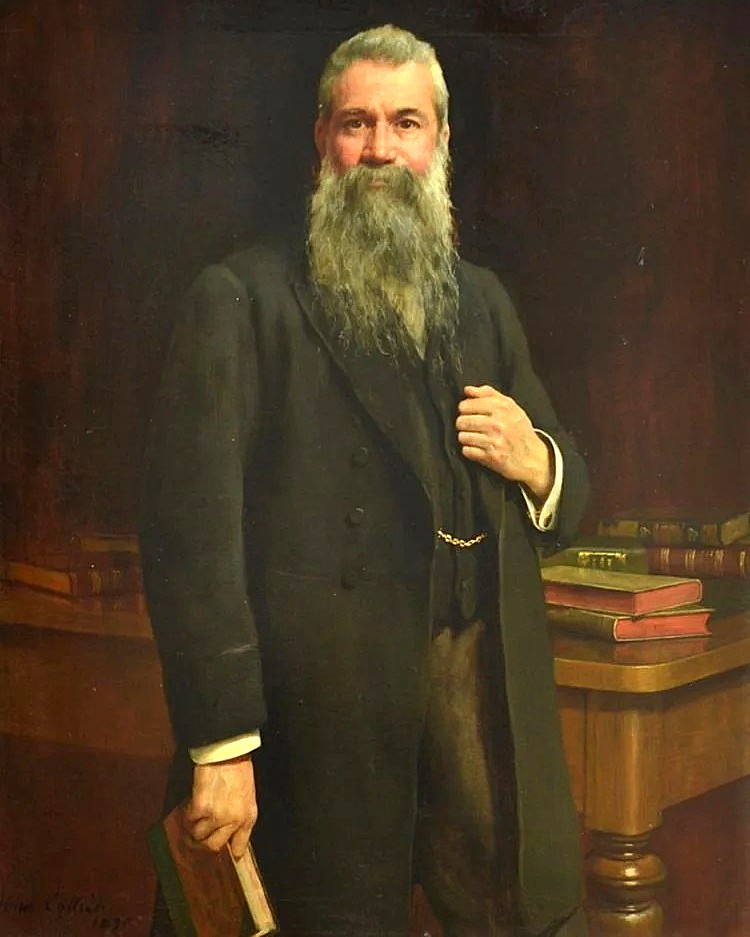
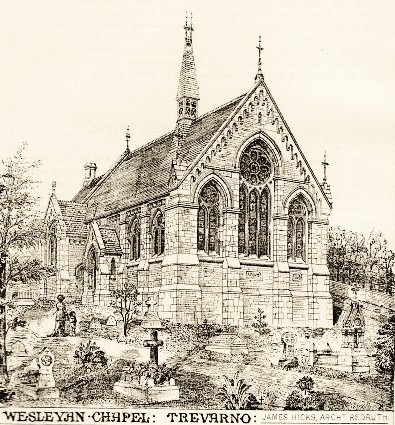
In 1879 the Helston Railway Company was formed with Bickford-Smith its first chairman. Unfortunately this coincided with the growing failure of the Cornish mining industry, the railway not reaching its full potential. Besides his business interests William Bickford-Smith also entered politics as a Liberal member of parliament for Truro in 1885 remaining until the general election of 1892. He had purchased the Trevarno Estate near Helston in 1874, the railway line would later actually run through part of the estate. He added much to the estate especially the gardens and wider infrastructure. William Bickford-Smith died in 1899 and was buried at the Chynhale Methodist Chapel where there is a memorial to him. This now Grade II listed building is itself another memorial to him having been designed by James Hicks for Bickford-Smith himself as the donor and which opened in 1879. The Bickford-Smith family finally sold their Trevarno Estate interests in 1994. Some seventy acres of it became a tourist attraction from 1998 until 2011 when it closed and the estate then broken up and sold.

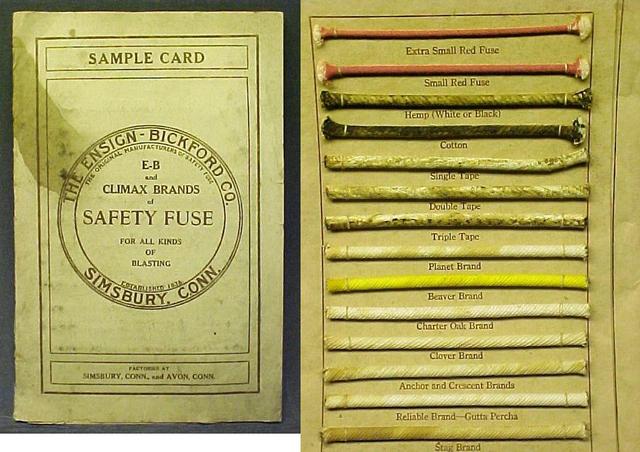
Bickford & Co continued to innovate their fuse products and had a wide range of fuses and new invented adaptions. In 1906 they received an award from the Royal Cornwall Polytechnic Society, a ‘First Class’ silver medal annotated ‘Bickford Smith & Co for safety fuses’. In 1912 they were again receiving awards with the Cornish Post and Mining News reporting their latest award which stated; ‘To Bickford, Smith and Co., for their new system of blasting, they awarded a diploma of honour. They consider that this important detonating fuse, consisting of a lead tube filled with trinitrotoluene by the very safe manner in which it can be handled, and the fact that the detonator is placed outside of the hole, and is capable of firing a number shots at one time ensures much greater security in blasting or shot firing in all cases.’

The continued demise of the Cornish mining industry and the end of World War I saw the end of Bickford & Co. In 1918 the company was taken over and integrated within the Explosives Trade Ltd company along with twenty-eight other smaller British explosives companies. It in turn it soon changed its name to Nobel Industries and in 1926 Imperial Chemical Industries Ltd was formed. The factory in Tuckingmill survived until 1961 when it closed, an important Cornish company to the 19th century mining industry was gone.
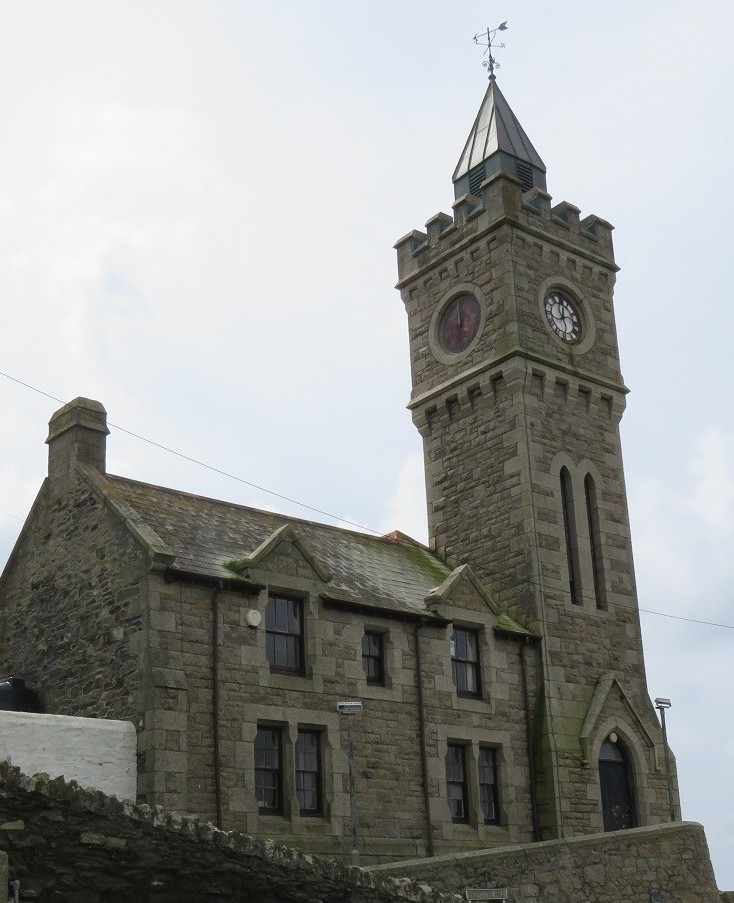
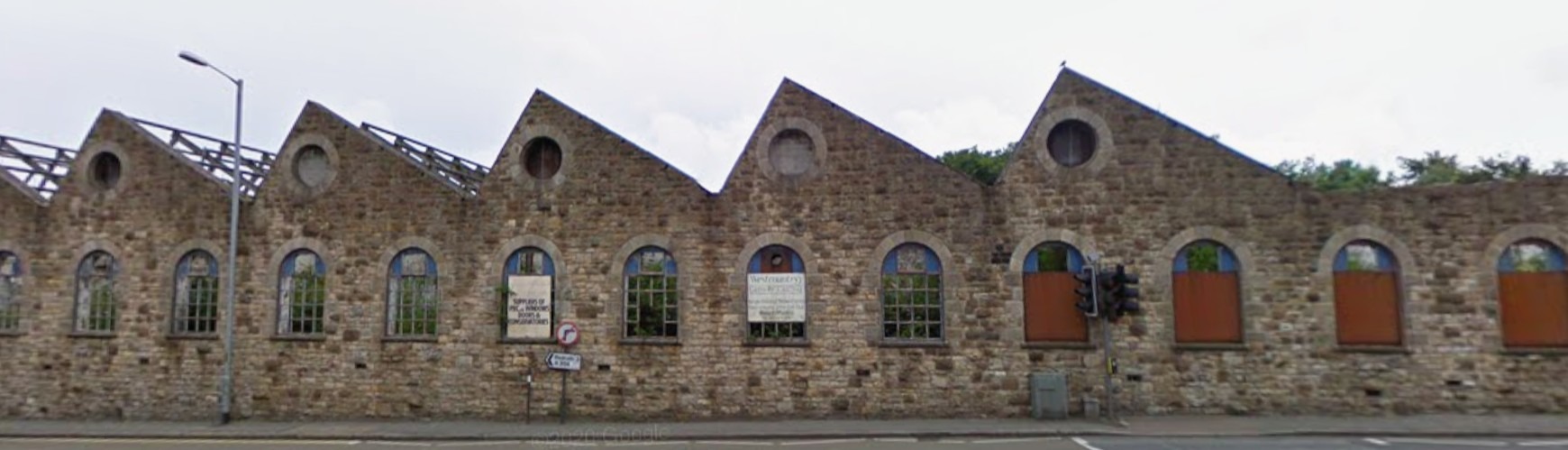
Today the legacy of William Bickford and his descendants, especially William Bickford-Smith lie in the iconic Bickford-Smith Institute at Porthleven. The former Bickford Smith & Co site which can be seen in Tuckingmill today had been acquired in 1910 from the Vivian Foundry. This was rebuilt creating a sizeable fuse making factory. The existing buildings and frontage of the ‘North Lights’ jute ropemaking factory have been Grade II listed providing a reminder of this important part of Cornwall’s industrial heritage. The small Bickford-Smith chapel at Trevarno, which closed in 2015 will hopefully survive in some capacity. In 2021 a memorial was placed on the Tuckingmill factory wall recognising the contribution of Thomas Davey, one of William Bickford’s original partners for his contribution to mining safety.
Heritage Column