Ertach Kernow - Cornish hotels, former mansions of the rich
Cornish listed buildings number into the thousands, some impressive others less so but all have some historic interest and should be preserved. Many of these are churches and other religious buildings but there are several hotels that were once mansions belonging to wealthy families. Some of these hotels are modest some grand but all have attributes either through their construction, or previous owners with interesting histories. It could be that readers have stayed at one or more these or passed them by and been unaware of their history.
As always click the images for larger view
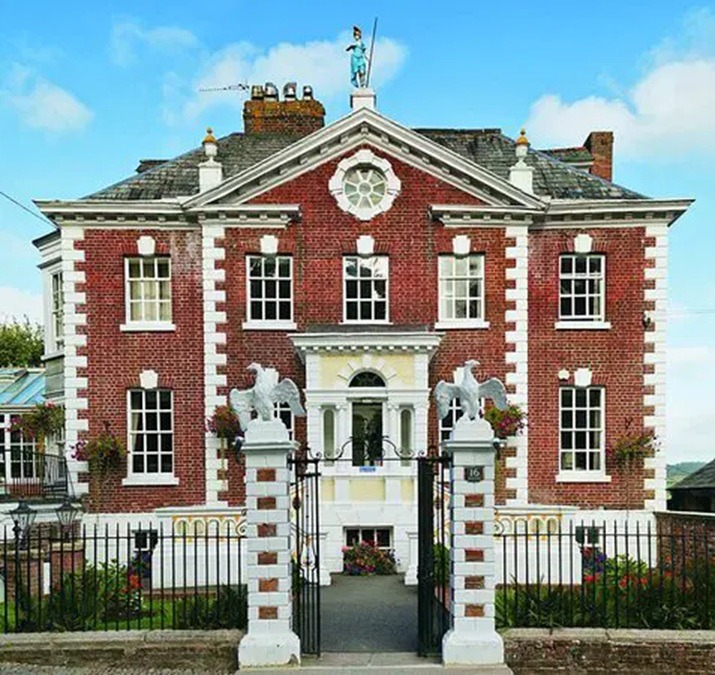
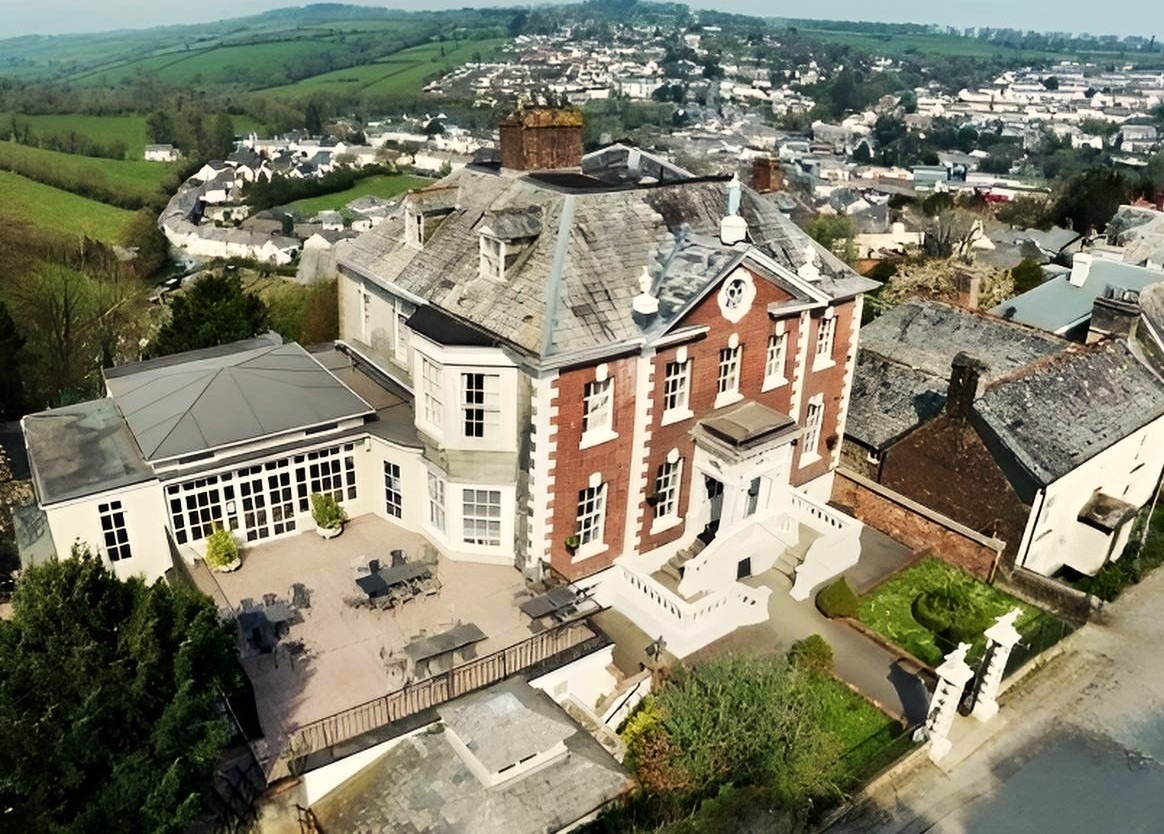
The grand exterior of the Eagle Hotel in Launceston must give a clue to its origins. The Carpenter family in Launceston date back to at least the earlier part of the 16th century. Thomas Carpenter was mayor in 1591 and other descendants would follow in that role, John, Nathanial, Joseph and Coryndon all were mayors more than once during the 18th century. It was Coryndon Carpenter who it is said won a lottery of £10,000 and built ‘Eagle House’, completed in 1764. In 1768 Coryndon married Elizabeth Luxmoor, likely a cousin through his mother. He was Mayor of Launceston again in 1774 and died in 1776 aged only forty-five. There is a memorial in St Mary Magdalene's Church to him. His widow Elizabeth continued to live in the house until her death in 1796 after which the contents of the house were sold at auction. The interior design and plasterwork was carried out by tradesmen who had been working on the Duke of Northumberland’s house at Werrington. Christopher Lethbridge a nephew of Elizabeth, became the next owner, he too became mayor of Launceston three times. The eagles above the gateposts date to the Napoleonic wars when French officers, as prisoners of war, stayed at the house. These were based on French Imperial Eagles. Eagle House was sold in 1826 to lawyer John Darke and again in 1830 to Charlotte Augusta Harward daughter of well-known architect Sir William Chambers. On her death the house became Eagle House Academy under teacher Samuel Hicks. The property was purchased in 1857 by John Dingley who formed the Launceston Bank. On his death in 1885 he left the house to his son John who married a distant cousin Ethel. Following John’s death in 1930 Ethel lived there until selling it in 1962. It then became a hotel during the 1960’s and today after refurbishment is advertised as Cornwall’s only Gin Hotel, also having a public bar. An inhouse distillery produces Eagle One Gin in three flavours and these Cornish craft gins come highly recommended.
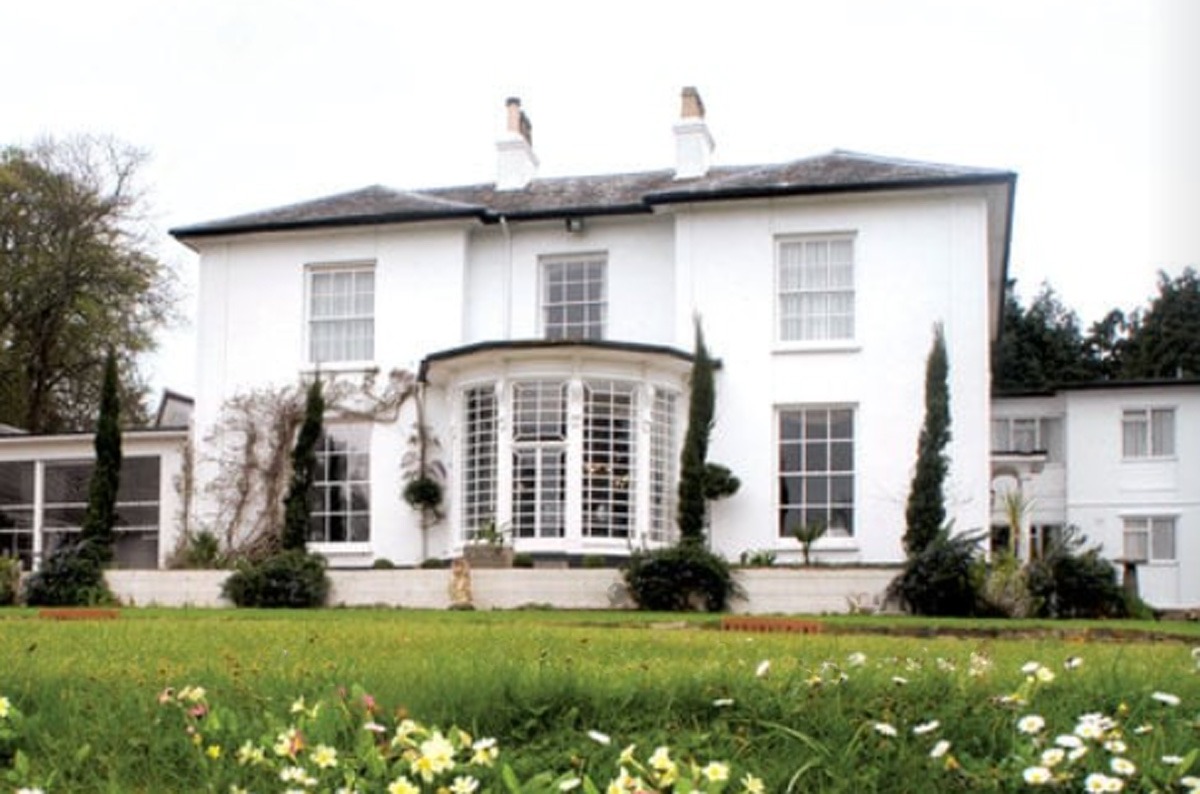
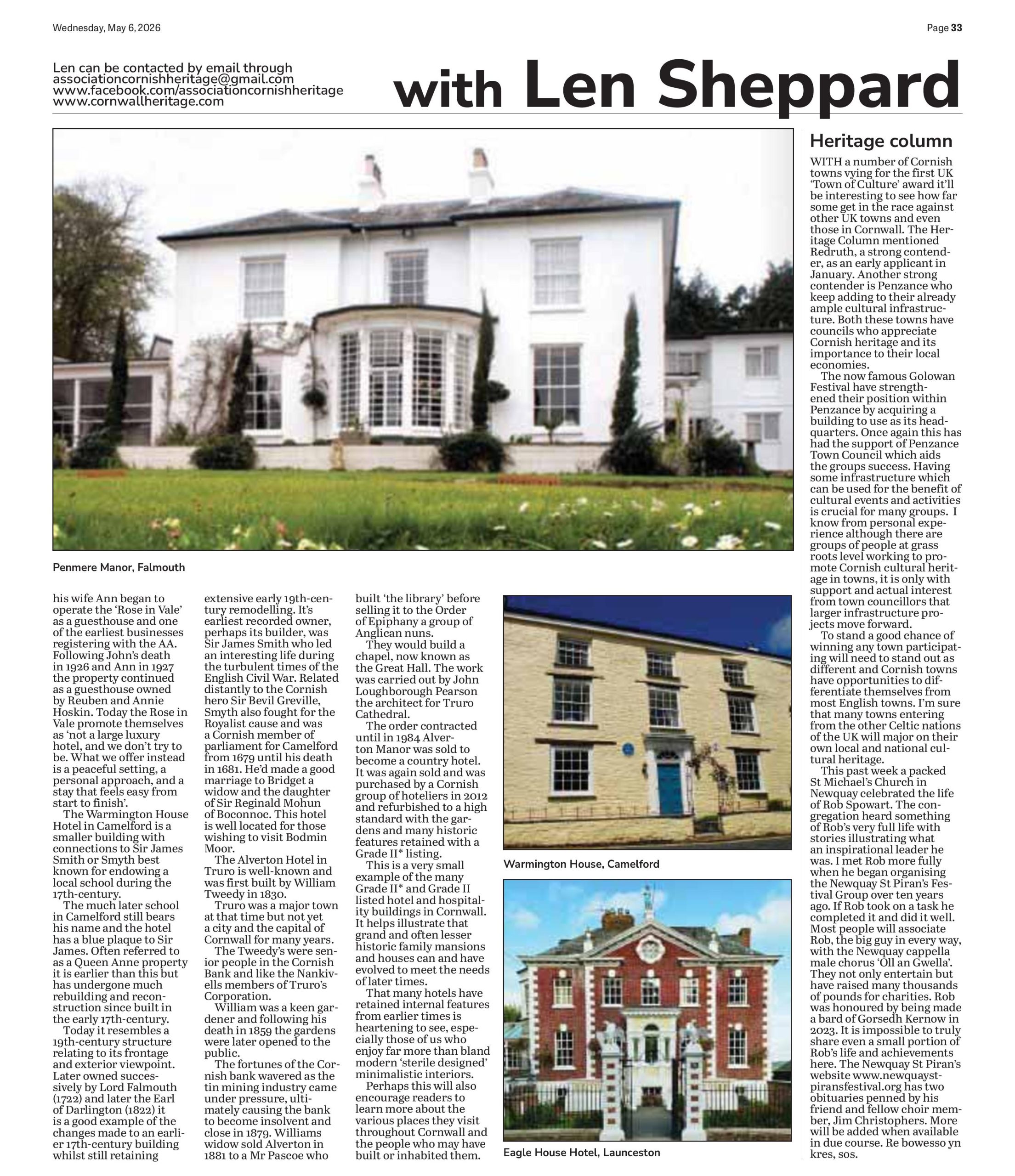
Penmere Manor Hotel when first built about 1825 by Captain John Bullocke was known as Penmere House. John Bullocke was master of Falmouth Packet vessels transporting mail between Britain and other countries. He was appointed in 1825 to his final vessel the Redpole and in 1828 they were attacked by pirates of the vessel President. It was later reported when the pirate vessel was captured that Captain Bullocke was shot and his crew forced to walk the plank. Captain Bullocke’s widow died in Falmouth in October 1852. Such were some of the dangers of the crews of the Falmouth Packet vessels. Penmere House was advertised for rent with an excellent description of the property as it was then, newly built. Another Falmouth Packet family were the next residents, Commander Passingham captain of the ‘Sheldrake’. Richard Taylor a mining captain of the United Mine at Gwennap was the next resident of Penmere House until 1851. In that year the mine was under financial pressure and would later close. The house was again put up for rent and Richard Taylor had a huge auction of all the properties contents and moved on. Other residents from wealthy families followed, Frances Susanna Molesworth (nee Buller) until 1863 when the property was sold to Alfred Lloyd Fox. He was a member of the wealthy and influential Fox family, founders in Falmouth of ‘The Royal Cornwall Polytechnic Society’. Penmere House was purchased in 1901 by Horton Bolitho, a member of the Cornish landowning to banking Bolitho family, who lived there until World War II. It became a home for recuperating officers, then after the war was occupied as a teaching convent. Lastly in the 1950’s it was converted to its final role as a hotel. After a range of interesting owners it is now a Grade II building, much extended, with gardens to be enjoyed by visitors.
The Rose in Vale Country House Hotel is one of those properties which has significance due to its wider associations. Besides the wealthy and well-connected family, this was the place where the artistic skills of John Opie known as the ‘Cornish Wonder’ were discovered. Formerly known as Mithian House it was purchased by Thomas Nankivell as a 17th century Cornish longhouse split into two cottages. In 1761 Thomas added a Georgian style frontage giving it the view we can see today. The Nankivell family were important Truro merchants in wine and spirits, owning many properties within Truro. Family members would serve on the towns Corporation and as mayor prior to it becoming a city. It was John Opie’s father who took him to Mithian House whilst looking at a building job and where John was spotted drawing by Mrs Mary Nankivell. She was so impressed that in turn they assisted John through their London contacts to continue and grow his artistic skills. The house remained in the Nankivell family until Thomas died in 1777 when John James inherited it from his grandfather, he sold it in 1804. The Reverend James Bennetto lived there until his death in 1818 when purchased by Captains Oates owner of the Great Wheal Leisure Copper Mine at Perranporth. Following his death his nephew Richard Cowling lived there until he died in 1879. In 1900 it was purchased by Captain John Whitford, he was another mine owner who also managed a gold mine in South Africa. Whilst he was abroad his wife Ann began to operate the ‘Rose in Vale’ as a guesthouse and one of the earliest businesses registering with the AA. Following John’s death in 1926 and Ann in 1927 the property continued as a guesthouse owned by Reuben and Annie Hoskin. Today the Rose in Vale promote themselves as ‘not a large luxury hotel, and we don’t try to be. What we offer instead is a peaceful setting, a personal approach, and a stay that feels easy from start to finish’.
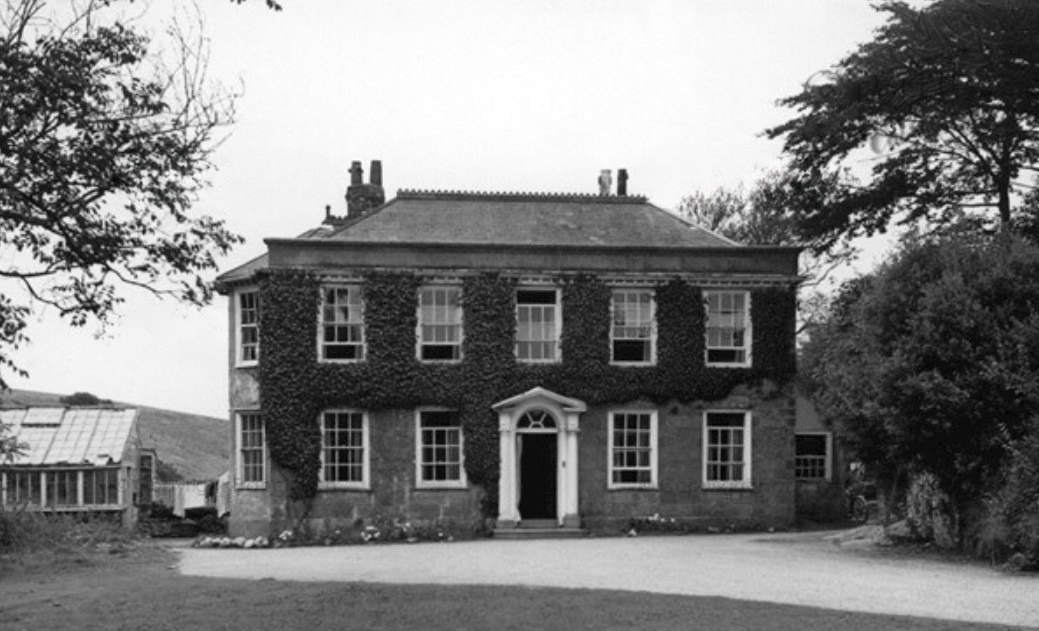
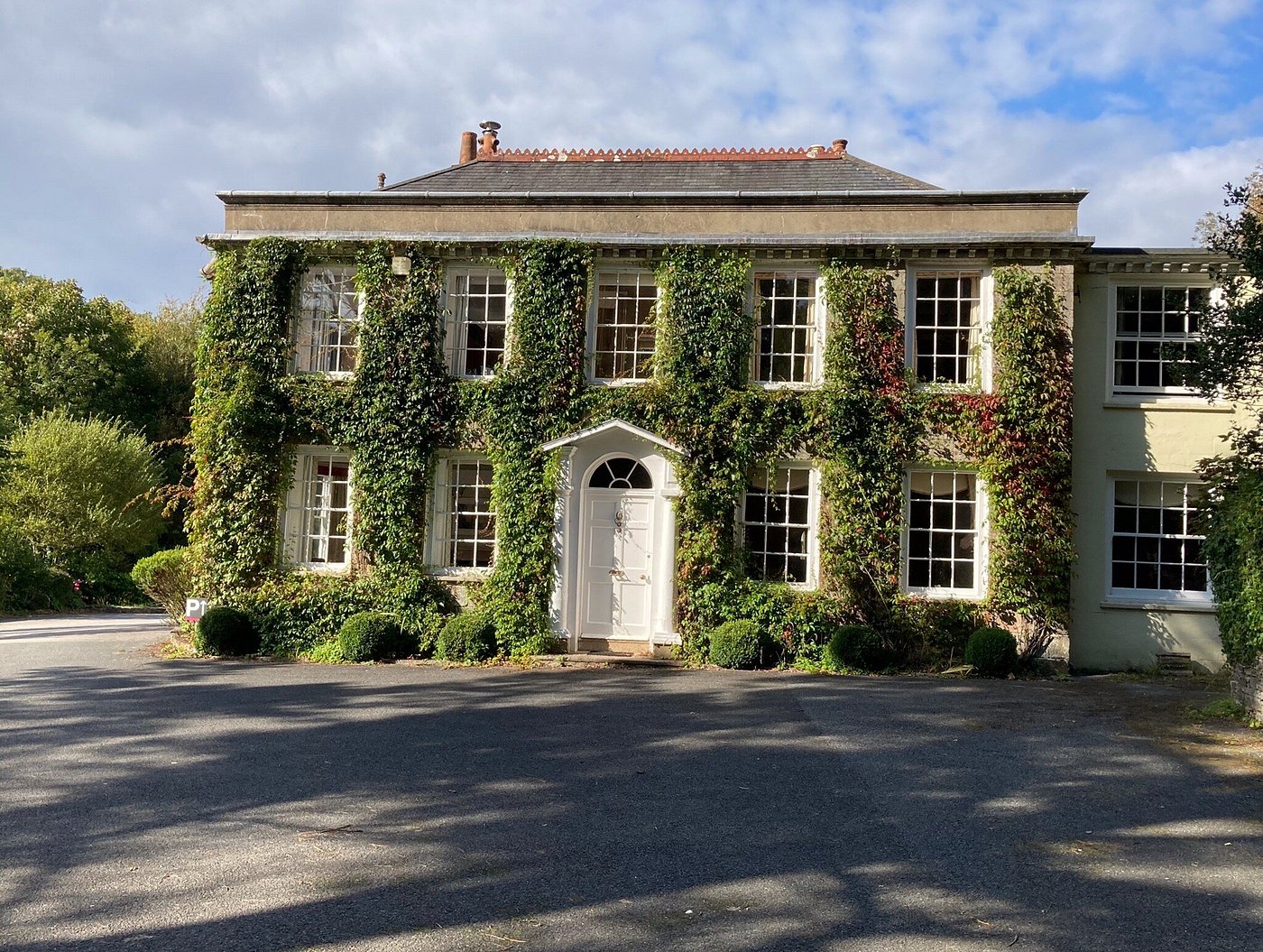
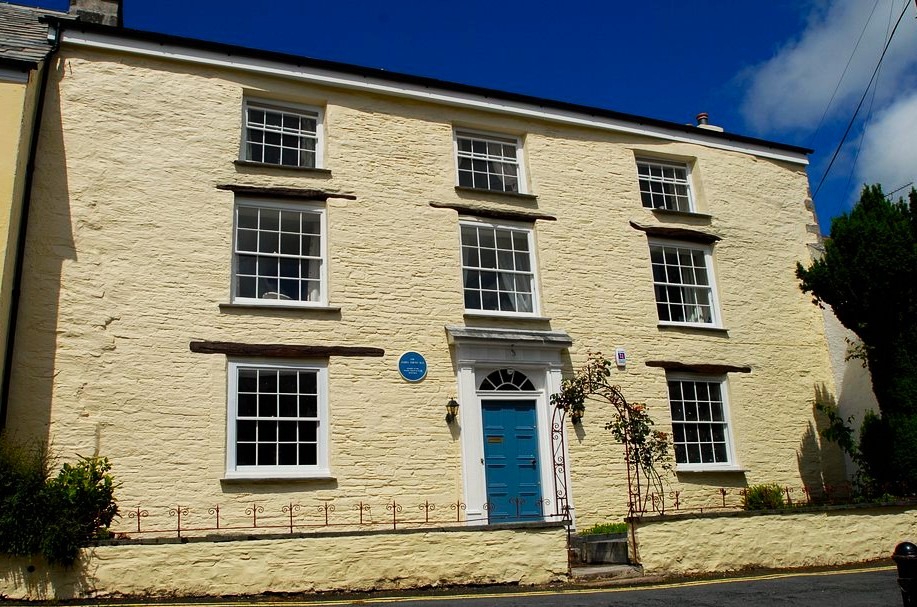
The Warmington House Hotel in Camelford is a smaller building with connections to Sir James Smith or Smyth best known for endowing a local school during the 17th century. The much later school in Camelford still bears his name and the hotel has a blue plaque to Sir James. Often referred to as a Queen Anne property it is earlier than this but has undergone much rebuilding and reconstruction since built in the early 17th century. Today it resembles a 19th century structure relating to its frontage and exterior viewpoint. Later owned successively by Lord Falmouth (1722) and later the Earl of Darlington (1822) it is a good example of the changes made to an earlier 17th century building whilst still retaining extensive early 19th century remodelling. It’s earliest recorded owner, perhaps its builder, was Sir James Smith who led an interesting life during the turbulent times of the English Civil War. Related distantly to the Cornish hero Sir Bevil Greville, Smyth also fought for the Royalist cause and was a Cornish member of parliament for Camelford from 1679 until his death in 1681. He’d made a good marriage to Bridget a widow and the daughter of Sir Reginald Mohun of Boconnoc. This hotel is well located for those wishing to visit Bodmin Moor.
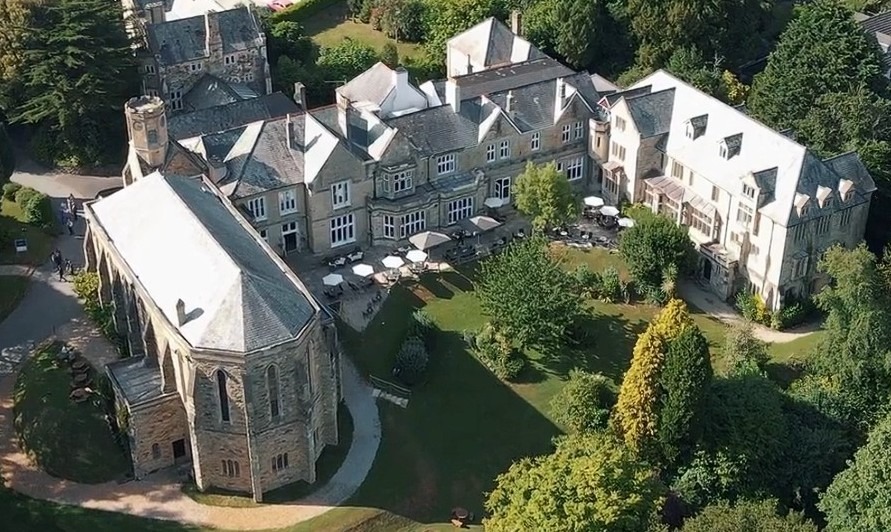
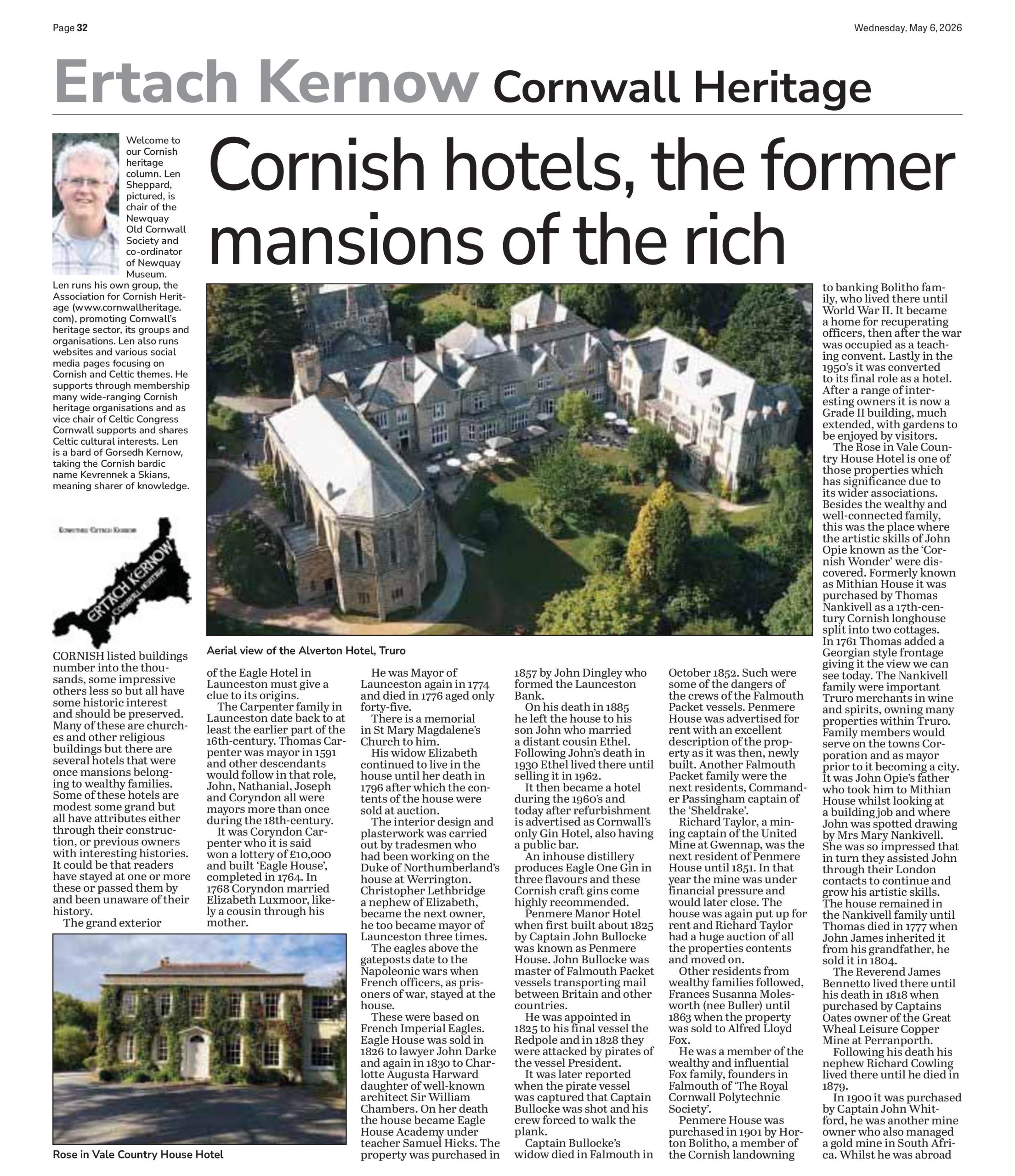
The Alverton Hotel in Truro is well-known and was first built by William Tweedy in 1830. Truro was a major town at that time but not yet a city and the capital of Cornwall for many years. The Tweedy’s were senior people in the Cornish Bank and like the Nankivells members of Truro’s Corporation. William was a keen gardener and following his death in 1859 the gardens were later opened to the public. The fortunes of the Cornish bank wavered as the tin mining industry came under pressure, ultimately causing the bank to become insolvent and close in 1879. Williams widow sold Alverton in 1881 to a Mr Pascoe who built ‘the library’ before selling it to the Order of Epiphany a group of Anglican nuns. They would build a chapel, now known as the Great Hall. The work was carried out by John Loughborough Pearson the architect for Truro Cathedral. The order contracted until in 1984 Alverton Manor was sold to become a country hotel. It was again sold and was purchased by a Cornish group of hoteliers in 2012 and refurbished to a high standard with the gardens and many historic features retained with a Grade II* listing.
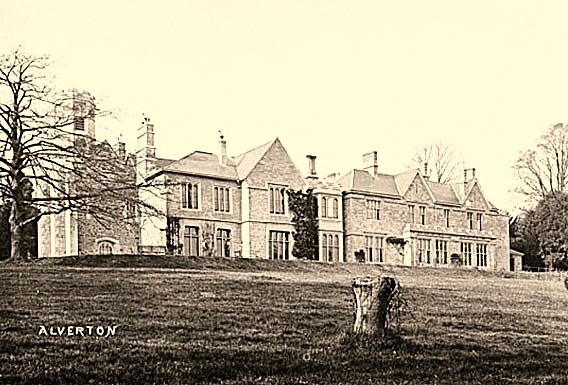
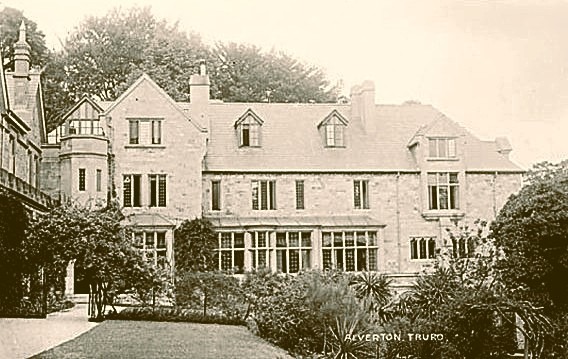
This is a very small example of the many Grade II* and Grade II listed hotel and hospitality buildings in Cornwall. It helps illustrate that grand and often lesser historic family mansions and houses can and have evolved to meet the needs of later times. That many hotels have retained internal features from earlier times is heartening to see, especially those of us who enjoy far more than bland modern ‘sterile designed’ minimalistic interiors. Perhaps this will also encourage readers to learn more about the various places they visit throughout Cornwall and the people who may have built or inhabited them.
Heritage Column