Ertach Kernow - A year of Ertach Kernow articles throughout 2025
Cornish heritage research, sharing and ongoing protection has achieved much over the past twelve months. A new year begins and with-it fresh challenges and opportunities. Putting the recent positive political announcements aside, Kernewek the Cornish language has seen a move forward reaching equality with the Celtic languages of Scotland, Wales and Northern Ireland within the United Kingdom. One can only hope that the political agreements will include greater funding and positive moves towards a Curriculum Kernewek in education to include Cornish history, cultural and environmental themes.
The final article of the year provides a chance to recap on the past twelve months of Ertach Kernow articles. These have covered several of Cornwall’s over two-hundred parishes sometimes with differing community heritage. With the sea and the River Tamar almost totally surrounding Cornwall so many parishes and communities have maritime connections. There are those inland with Industries relating to farming, fishing and forestry which remain collectively one of, if not the most important economic sectors to Cornwall’s economy.
People both well-known and more obscure have featured as short biographies. There was John Opie a boy artist raised from obscurity to be known as the ‘Cornish Wonder’ and buried in St Pauls Cathedral. Almost lost to history was the story of Thomas Flindell where Ertach Kernow remembered the man who brought the first Cornish newspaper to Cornwall.


We of course needed to mention one of Cornwall’s patron saints St Piran around Cornwall’s national day. It was interesting to discover the place which claims him as their local saint in Ireland, who also celebrate him on 5th March each year. This community located on a small island called Cape Clear Island was visited by William Copeland Borlase who confirmed a story about a cove called Tra-kieran, (St. Kieran’s Strand). Here is a pillar stone with a cross rudely cut towards the top, said to be the workmanship of St. Kieran, with a nearby ruined church, dedicated to the same Saint.’
It’s always interesting when researching articles to find people who have travelled through Cornwall in past centuries. Many have left detailed accounts about of parts of Cornwall and sometimes minutia on what they found interesting. Articles relating to Celia Fiennes journey in 1698 concluded as did those of famous author Daniel Defoe, both offering interesting insights into Cornish life during the late 17th and early 18th centuries. New Ertach Kernow travellers included the Reverend Richard Pocock, a great lover of travel, who came to Cornwall decades later in 1750 and shared his thoughts. Also, the early 20th century writer Lewis Hind spent time travelling mainly on foot exploring areas of Cornwall that interested him. These included investigating the source of the River Tamar and an amusing story of his search for King Doniert’s Stone.
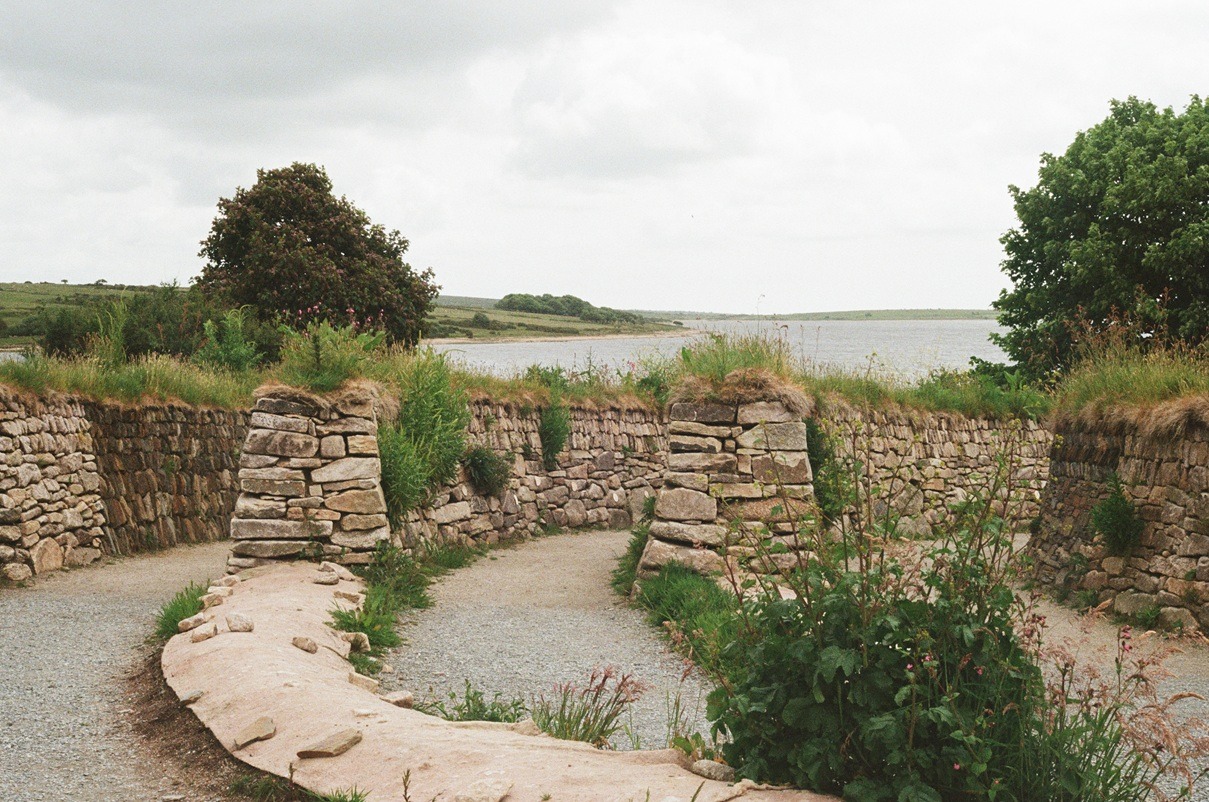
Bodmin Moor has so much to offer with its range of environmental places to visit. The many ancient sites, tors to climb and the lakes to sit next to as an alternative in the summer to crowded beaches. The new discoveries relating to King Arthur’s Hall was world breaking news. To find it was thousands of years older rather than just medieval was quite a revelation. I enjoyed a trip around Bodmin Moor and villages with young entrepreneur Josh Griffiths who runs the Newquay Photo Lab, Proper Photography Kernow. Using vintage cameras from his shop we took scores of photos using different film types. I understand far better now why so many young people are taking up film photography rather than like me digital happy snapping.
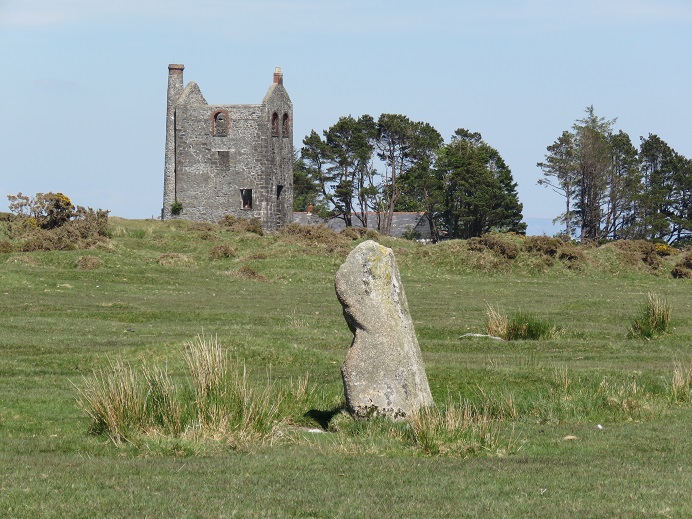
The work of some of Cornwall’s cultural and wider heritage organisations have been promoted through articles. These include the fine work being done by a small group through the Cornish National Music Archive who work to preserve Cornish music and dance. This really is a growing archive of information begun during the pandemic lockdown in 2020. The Cornwall Heritage Trust are pushing the boundaries on their work with new land preservation projects and archaeological investigation alongside their site management arrangements. Five new sites came under their management and ownership this year. These include Pentire Head at Newquay, Minions Heritage Centre, Iron Age hillforts at Castle an Dinas in West Penwith and Warbstow Bury and the Prince of Wales Engine House, built in 1870 serving the adjacent quarry near Tintagel. A current archaeological project at the ancient Castilly Henge site is seeking funding support from the public.
Besides the Cornish language other intangible cultural heritage sectors are continuing to make an impact on people throughout Cornwall and also benefiting our tourist industry. Far more Cornish Celtic themed music is being played and written, often with words in Kernewek. The number of Cornish troyls, also known by their Gaelic name ceilidh, are increasing. These are the more formalised dances which have a caller alongside Celtic themed music. Fast growing are the Nos Lowen form of Cornish dances without a caller and are far less formal and perhaps favoured by newcomers to the Cornish dance scene. After a drink or two even the most inexperienced dancers can be swept up in the excitement of the moment.
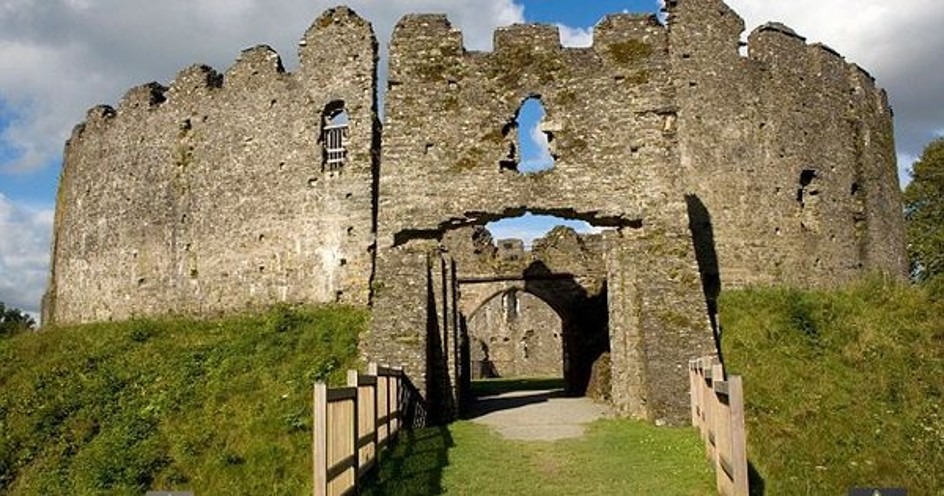
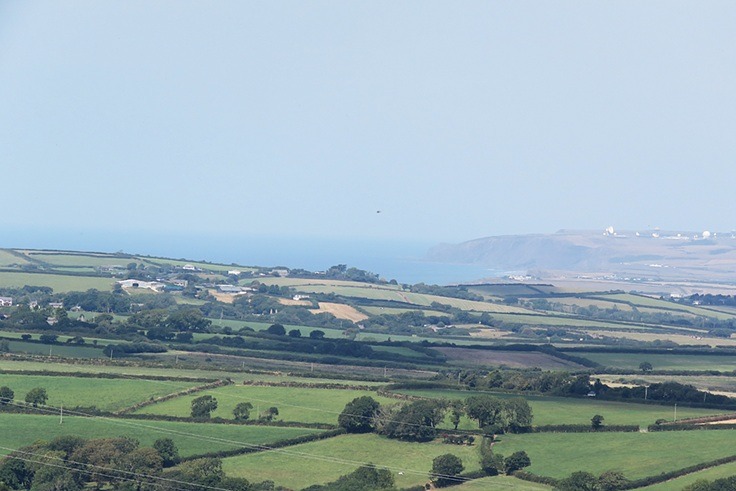
Buildings including castles, churches and ruins along with hillforts and follies have all featured this year. One of these with the most spectacular views was Warbstow Bury hillfort which I visited earlier this year for an article. Reuse of redundant china clay pits, the continuing quarrying at Delabole, gold treasure trove and railways appeared as part of a diverse range of Cornish heritage topics.
Hoping readers had an enjoyable Christmas and I wish you all Bledhen Nowydh Da, a happy New Year. All this years past articles and those going back to 2020 are available on the website at www.cornwallheritage.com. In these articles I try to encourage folk to go out and visit some of the wonderful places Cornwall has to offer as well as taking an interest in Cornish history and its intangible cultural heritage.
This edition is shorter due to the Christmas holiday. Longer editions will appear again from 7th January article.