Ertach Kernow - Mount Edgcumbe a very beautiful situation.
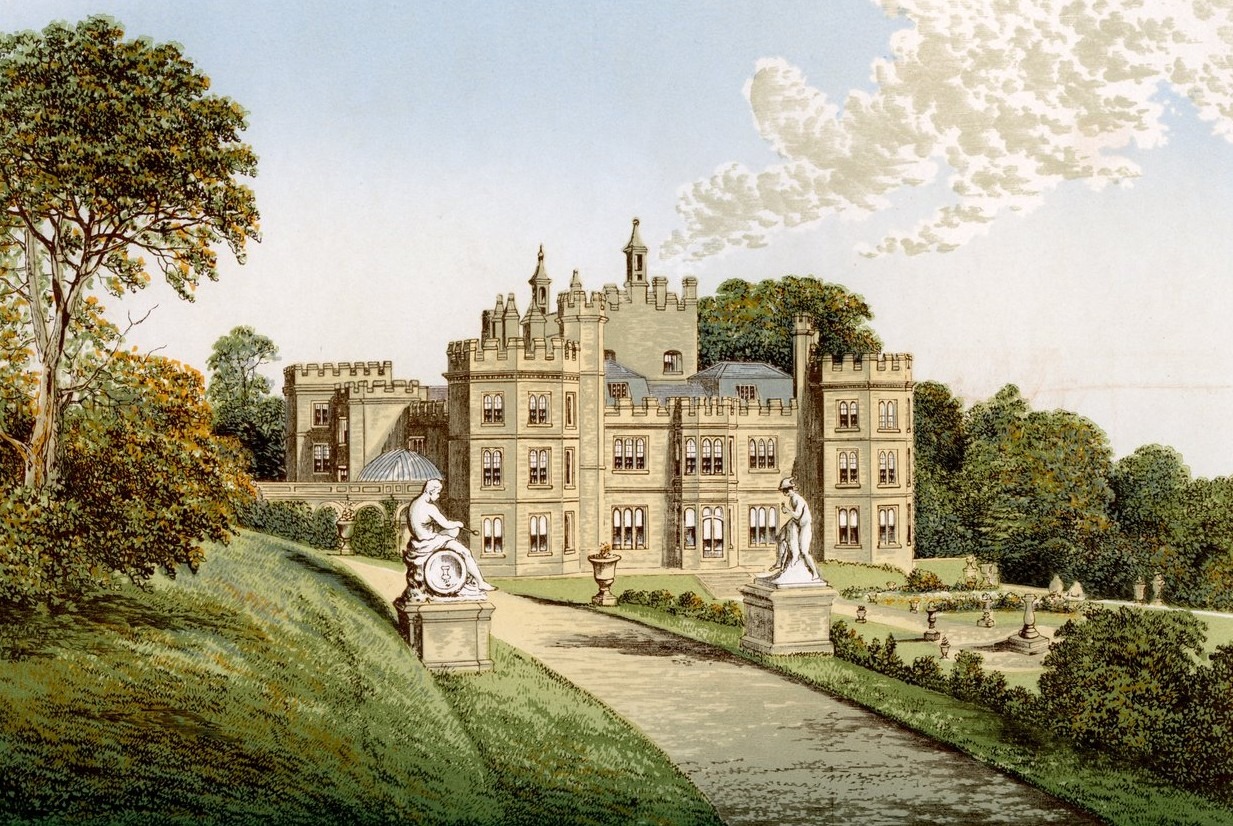
Mount Edgecumbe falls within the part of Cornwall often known as ‘the forgotten corner’. This is a lovely part of Cornwall and visiting the Edgecumbe estate provides an opportunity to see more of this area. The story of Mount Edgecumbe and the family who lived here is a continuation of their previous occupation of Cotehele House and their upward movement in society. The accumulation of wealth through land was largely through marriage of succeeding male Edgcumbe’s to wealthy heiresses.
As always click the images for larger view
It was Piers Edgcumbe who through his marriage to another heiress, Joan Durnford, that the Edgcumbe family acquired the Manor of Stonehouse, which later became Mount Edgcumbe. The Stonehouse estate covered areas on both sides of the River Tamar with a small manor house on the Cornish side. In due course Pier’s son Richard would begin construction of Mount Edgcumbe House.
The history of Mount Edgcumbe goes back much further than the arrival of the Edgecumbe family. Linked through landownership the Manor of Stonehouse connected with both sides of the River Tamar. East Stonehouse was one of the three villages which later jointly grew to become Plymouth. Shortly after the Norman Conquest much of Cornwall came under the control of Robert of Mortain. The Valletort family held the Barony of Trematon as tenants of Robert, which included Maker within which Mount Edgcumbe lies. They had control over certain waterways and rights to ferries across the River Tamar. Maker was once split between Cornwall and Devon until the Devon part was transferred to Cornwall in 1844. Later under Henry II the Valletort’s gained control of the eastern bank and East Stonehouse. From the late 14th century the estate came under control of Stephen Durnford whose ultimate heiress Joan would marry Piers Edgcumbe.

Cotehele House the home of Piers Edgcumbe and the family prior to the building of Mount Edgcumbe House
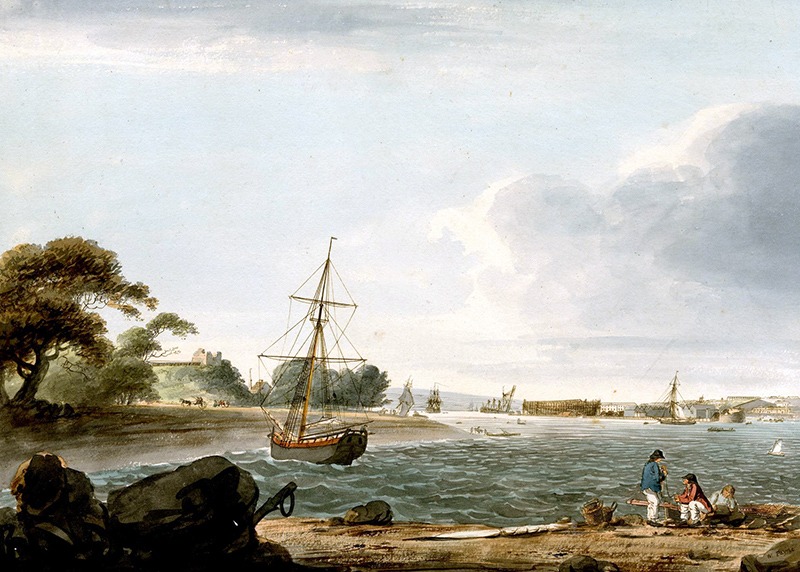
Marriage would again aid the Edgcumbe family in adding to their lands through a strange twist of fate. Land once owned by Richard Edgcumbe’s neighbour and enemy in the 15th century, Lord Robert Willoughby de Broke, passed through generations of Willoughby’s descendants for some three hundred years. These became part of the estate of John Hobart, 2nd Earl of Buckinghamshire whose daughter Lady Sophia Hobart married Richard the 2nd Earl of Mount Edgcumbe. Marriages such as these over many centuries brought land, money or prestige and familial alliances.
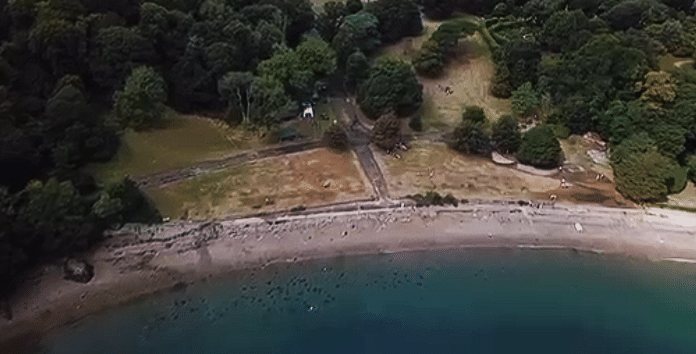
The land on the Cornish side of the Tamar included a small settlement known as West Stonehouse. In 1338 a raiding party from Brittany burnt West Stonehouse to the ground. Although this was rebuilt the site was later razed in 1740 by Richard 2nd Baron Edgcumbe. Richard Carew in his Survey Of Cornwall (1602) wrote ‘Certain olde ruins, yet remaining, confirm the neighbours report, that near the waters side, there stood once a town, called West Stonehouse, until the French by fire and sword overthrew it.’ In the late 19th century an article included within the ‘Transactions of the Plymouth Institution’ mentions; ‘west of the avenue at Mount Edgcumbe is called Chapel Meadow, which seems to indicate the former existence of an ecclesiastical edifice there (and the fact that Plympton Priory had property at Cremill will be borne in mind), possibly in the first place connected with the ferry, and subsequently used by the dwellers in West Stonehouse. The old barn at Barnpool was also of Tudor character.’ Much of this now lies below the ground and is only beginning to reveal long hidden secrets. The Recent archaeological dig at Barn Pool has uncovered walls and find relating to the historic village of West Stonehouse. This project between The Ships Project and Mount Edgcumbe House and Country Park successfully exposed stone foundations. These are believed to be the village’s original chapel or a medieval tithe barn mentioned in the 19th century article.
What people see above the ground is a beautiful house, gardens and grounds with many historic and interesting features. Garden lovers will relish viewing the seven acres of formal gardens including the Earl’s Garden which surrounds the house. From the Earl’s Garden the other formal gardens lie in the lower park towards Cremyll. Such a wide variety and viewing would provide inspiration and ideas even for smaller gardens. These are the Elizabethan Knot Garden (2016), Rose Garden (1970’s), Deer Garden (2015), Jubilee Garden (2002) New Zealand Garden (1989) Italian Garden (c1785) French Garden (c1803) English Garden (end of 18th century) Black Bee Reserve (2017), Relic Garden (2011) The Earl’s Garden (18th century), American Garden (commemorating US servicemen from 1944).
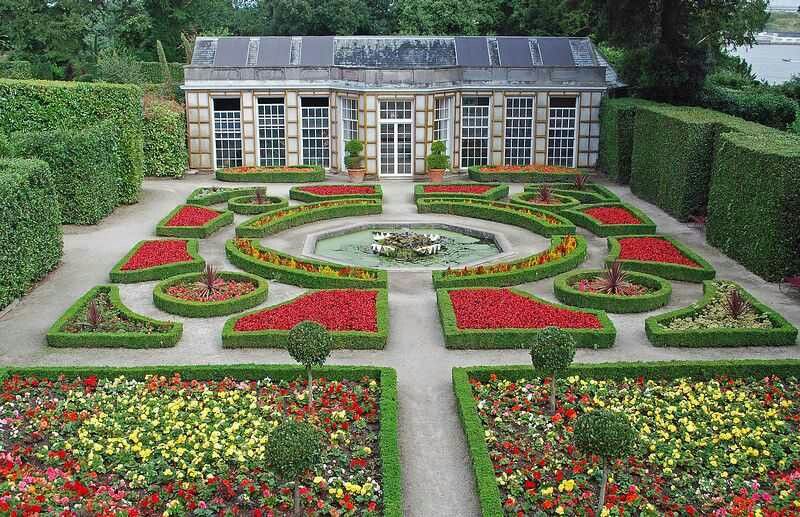
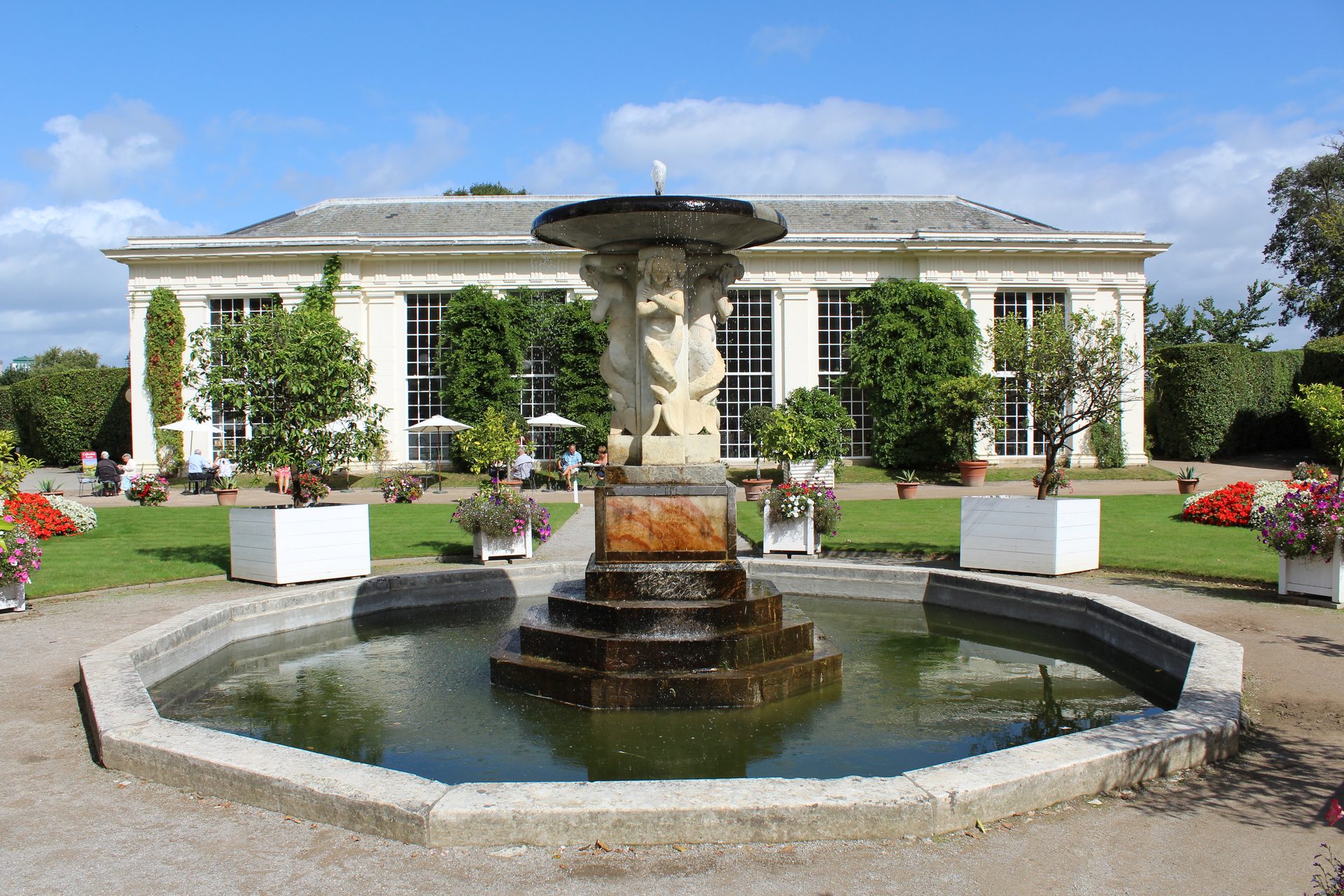
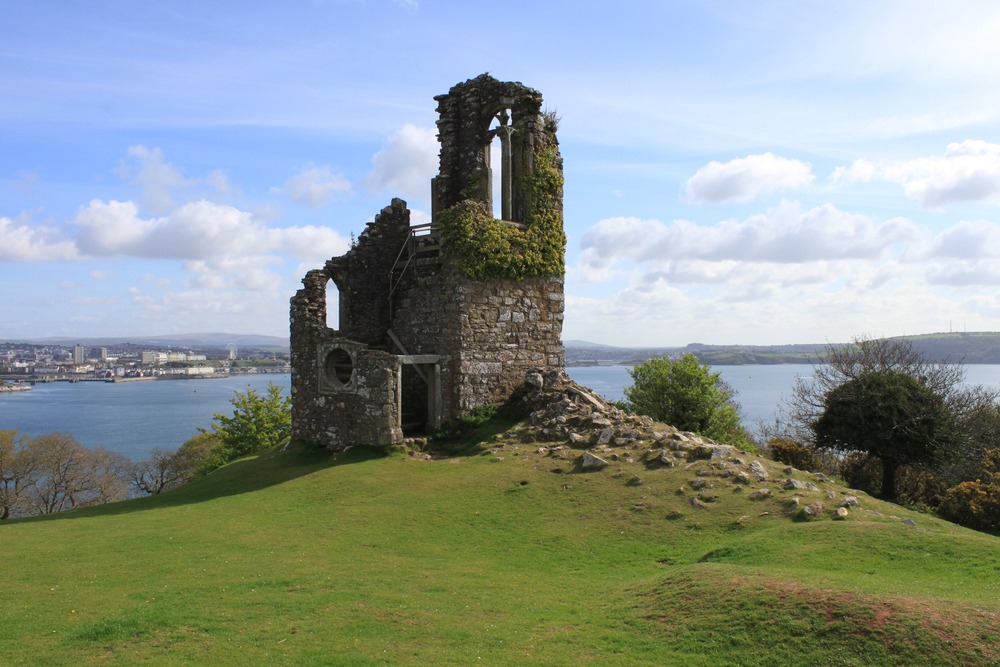
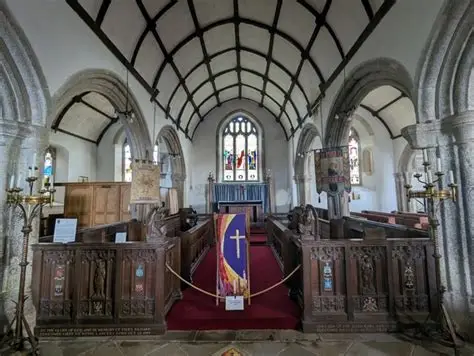
The marriage of Piers and Joan in 1493 saw the estate join Edgcumbe lands. A Royal licence to enclose and form a deer park was given by Henry VIII in 1515. The house was constructed between 1547 and 1553 by Sir Richard Edgcumbe, son of Piers. Over the following centuries the gardens were created along with a number of monuments and follies, which add interest to the gardens. These include a Bronze Age burial mound, a folly ruin completed in 1747, what is known as the Milton Temple completed about 1755 and in the Italian Garden the Orangery completed circa 1760. The Grade I listed St Mary's and St Julian's Church at Maker is not within the country park but stands on its edge. There is a 18th-century driveway, known as the Earl's Drive, which connects Mount Edgcumbe house directly to the church. Serving as the Edgcumbe family church it includes the Edgcumbe Chapel, built in 1874. Major restoration to the church was started in 1873 as it had fallen into significant decay. The architect undertaking the work was the well-known church restorer James Piers St Aubyn. Within the Edgcumbe Chapel are a number of monuments to members of the Edgcumbe family dating back to Piers Edgcumbe in 1607.
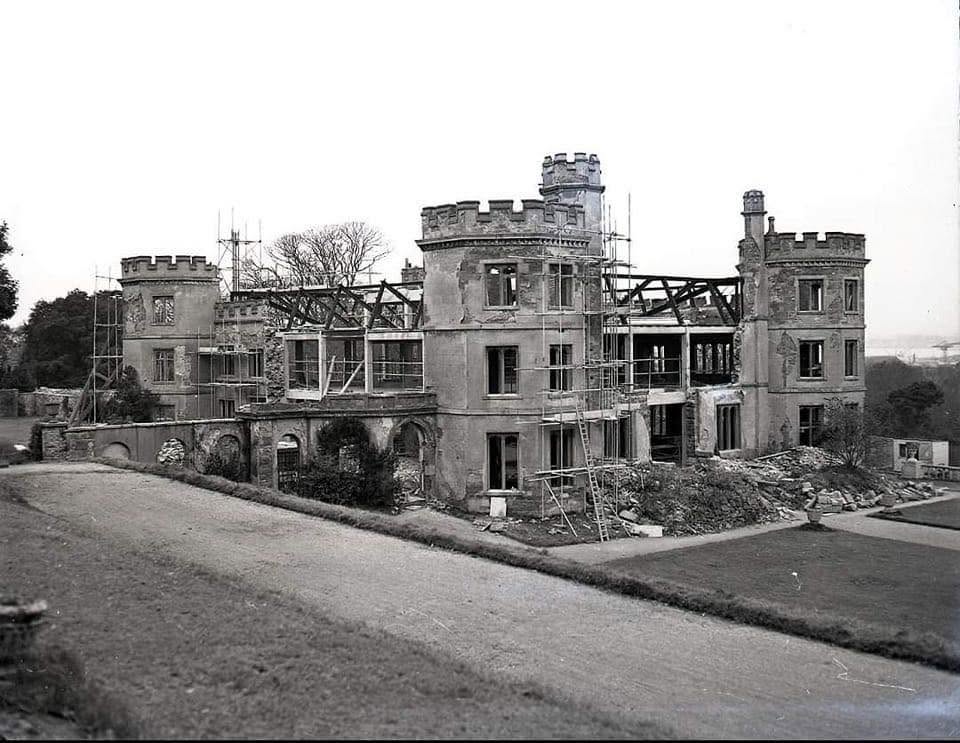
World War II saw a disaster at Mount Edgecumbe when an incendiary bomb set fire to the house gutting it. Sadly, most of the contents including historic furniture and paintings were lost. Some were saved through being elsewhere on the estate or in other properties., Kenelm Edgcumbe the 6th Earl of Mount Edgcumbe, who inherited the title in 1944, organised the rebuilding work himself. This began in 1958 and was largely completed by 1964, as seen today. This was not an identical rebuild but most of the surviving Tudor walls and eighteenth-century towers were used where possible. The reconstructed house is smaller than the pre-war building, restoration focused on preserving and recreating the most historically significant parts of the house.
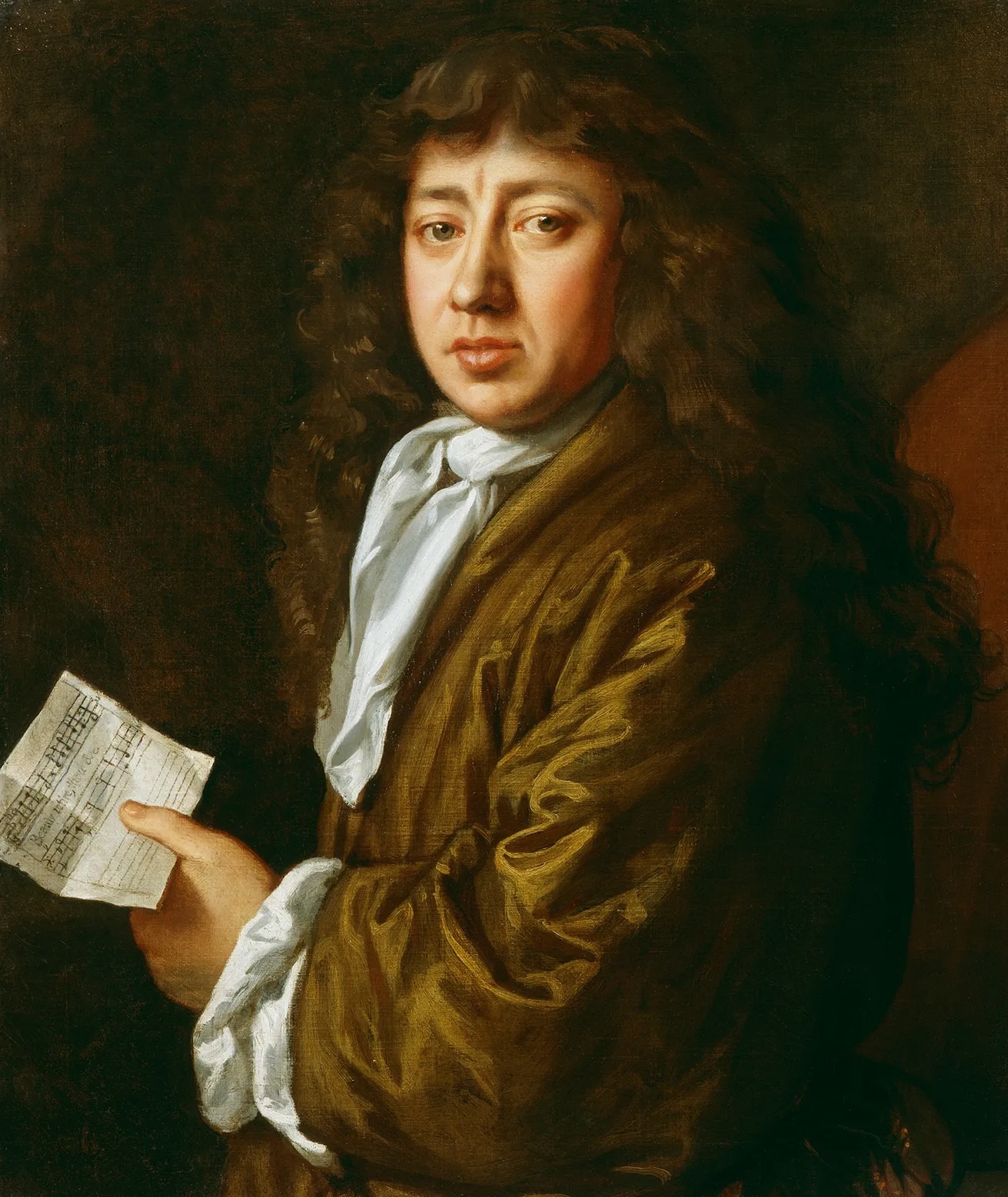
Amongst the many famous historic visitors to Mount Edgcumbe over the centuries were members of the royal family. Charles II visited Mount Edgcumbe in 1671 and again in 1677. George III and Queen Charlotte visited in 1781 and again in 1789. King William IV and Queen Adelaide in 1827 and Queen Victoria twice in 1843 and 1846. Celia Fiennes commented on the house in 1698 at the start of her travels around Cornwall. Dr Pocock, later Bishop of Meath, visiting in 1750 was very taken with Mount Edgcumbe saying ‘It is by the finest situation I ever saw, exceeding everything in the beauty of the near prospects’. He was also most interested in the portable camera obscura based in a sentry hut. The diarist and political figure Samuel Pepys, during a visit in 1683, described it as ‘a most beautiful place as ever was seen.’ Foreign visitors included Cosimo III de' Medici, the well-known future Duke of Florence who stayed in 1669. Florentine art was famous and I wonder what ideas he shared with Baron Richard Edgcumbe during his stay.
In 1971 the park and house were sold by the 7th Earl to Cornwall County Council and Plymouth City Council. It has now been open for the benefit of the public since 1988, with the interior refurbished as it would have been in the 18th century. The park is open year-round and is free to the public; there is a charge to visit the House and Earl's Garden, which is not open during the winter period.
Heritage Column

Heritage in the News online links: