Ertach Kernow - Growth of the Cornish ports and harbours
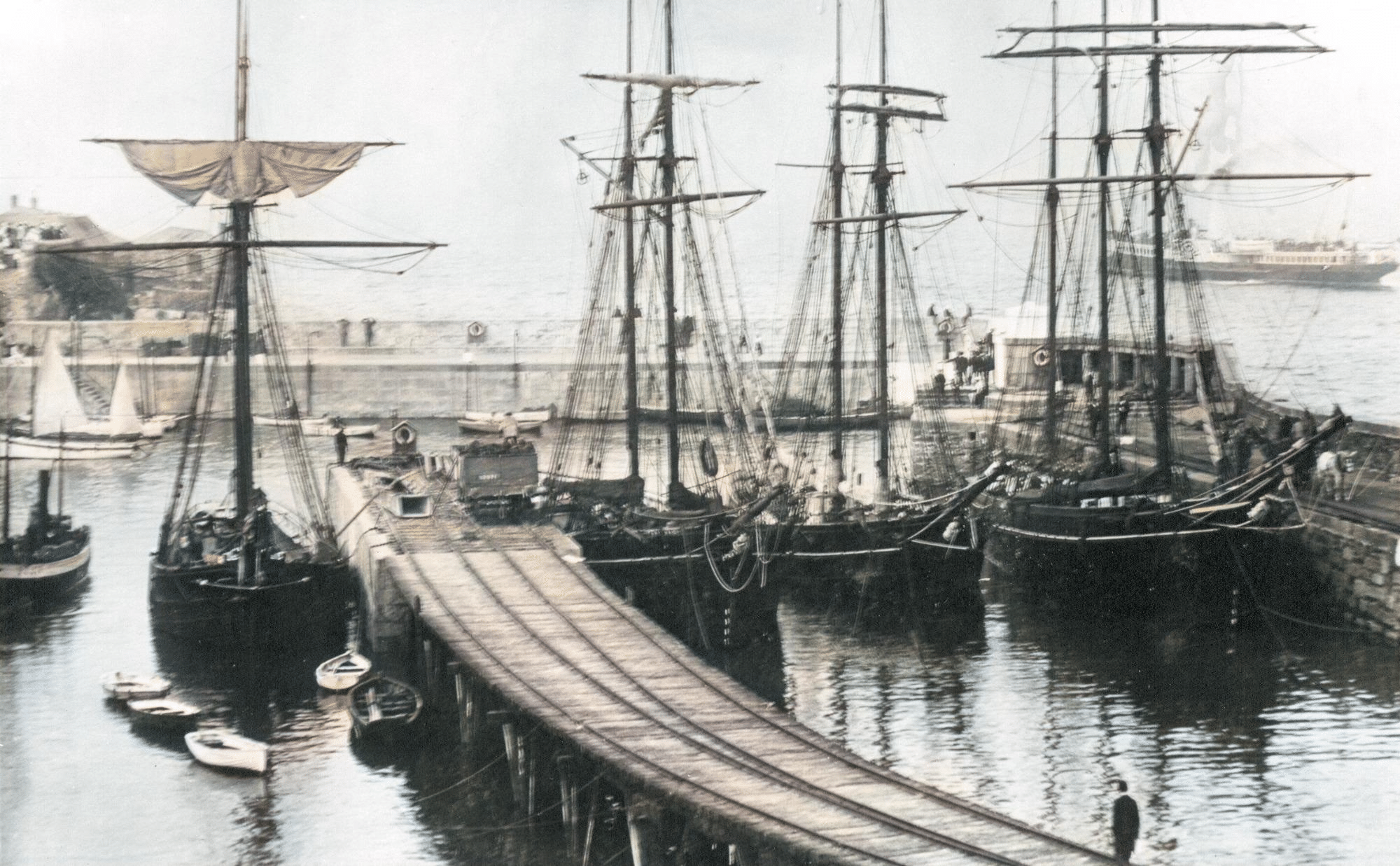
Cornish harbours are not just places used today only for small Cornish fishing boats and charter trips. Once they held an important place in the economy of Cornwall, far greater than today. Going back to the distant past each year these harbours would through the pilchard fishing boats bring great wealth to the communities they served. Those were the days when the whole community was vested in the success or failure of their local fishing fleet. Everyone was involved in some way besides the men who actually went out fishing, the women who helped process and sell the fish and even children were found tasks.
As always click the images for larger view
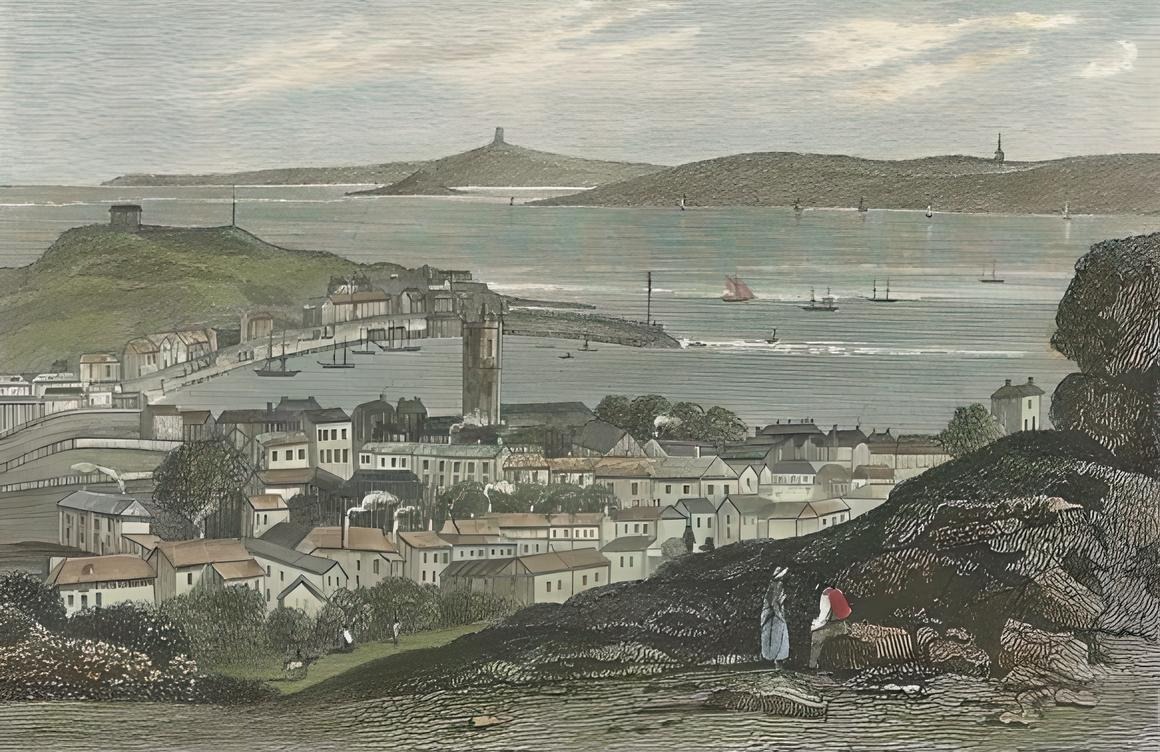
The late 15th century traveller and writer William Worcestre who visited Cornwall commented on the 147 havens between the mouth of the Tamar along the south coast of Cornwall to Penzance. Later some of these villages, which had more advantageous coastlines and deeper water anchorages would grow into towns with larger vessels using them to import and export goods. By the 18th century industrialisation of the Cornish mining industry and the use of the early Newcomen steam engine saw large quantities of coal imported from South Wales. Invented by Thomas Newcomen in 1712 this was the first practical steam engine, an important step in the Industrial Revolution, allowing water to be pumped from the Cornish tin and copper mines. The first Newcomen steam engine was working at Wheal Vor, near Redruth as early as 1715. However, although better than the water wheel and horse powered pumps they were very inefficient and required copious amounts of coal. As for smelting the ore, due to the large amounts of coal required to produce smelted tin or copper ingots it was often more cost effective to take the ore to the source of the coal in South Wales. Also imported was timber used as pit props as much of Cornwall had already been deforested. Cornwall’s farming industry was then, as now, a very important part of the local economy with farm produce being exported from the larger ports. Although the historic fishing industry was the originator of many ports and harbours it was the industrialisation of Cornish mining that led to the building of far more substantial harbours from the 18th century.
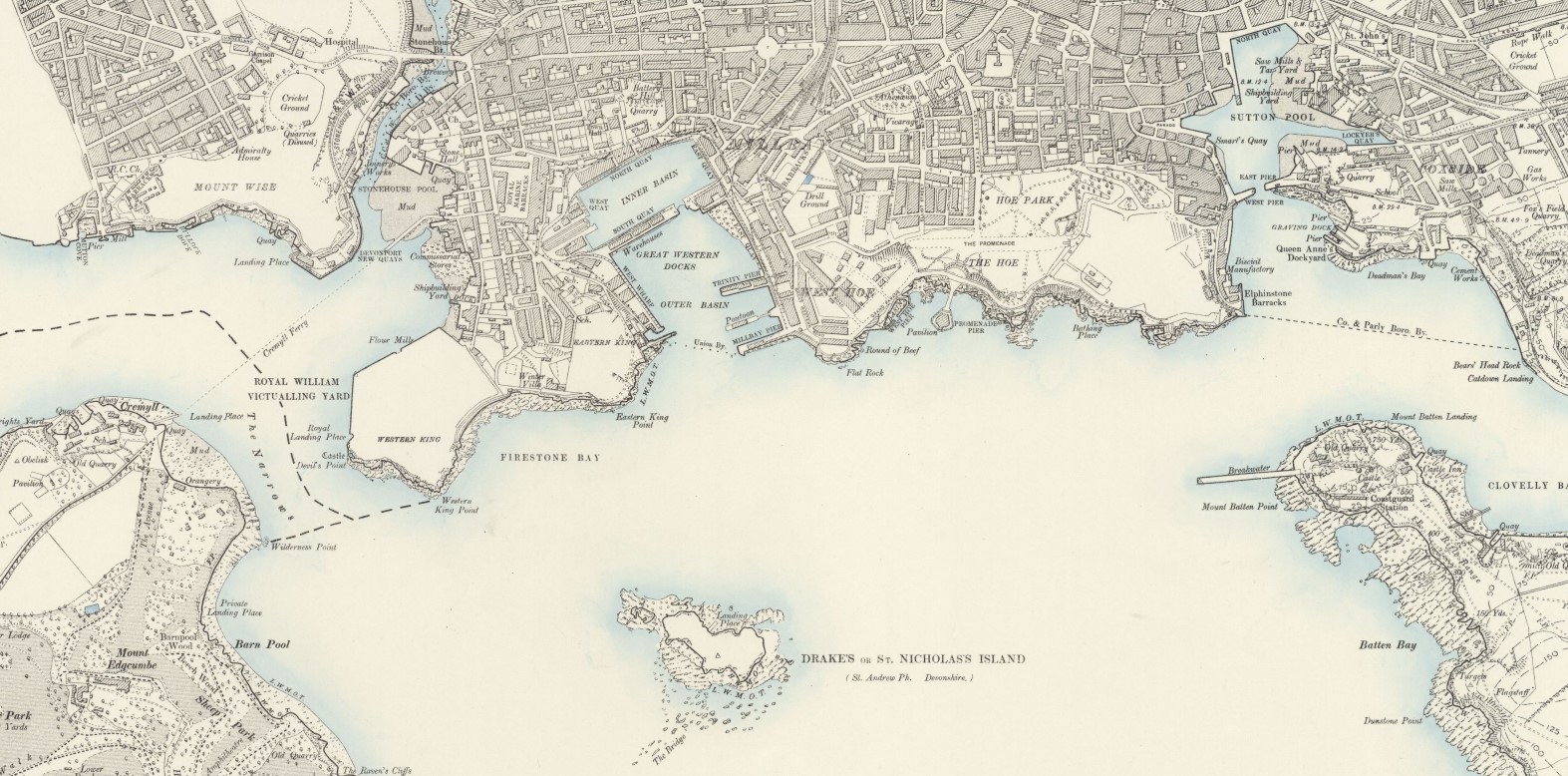
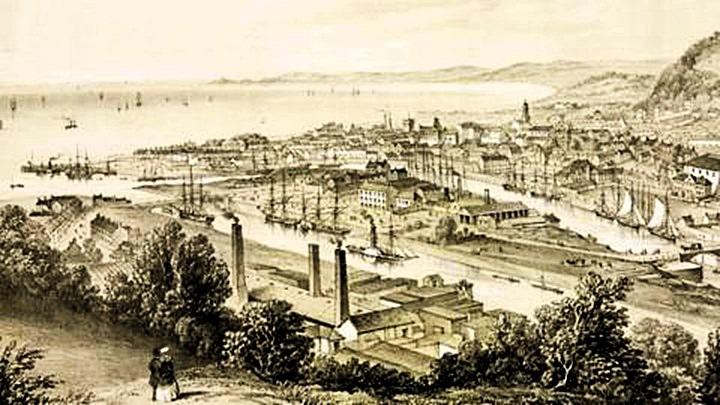
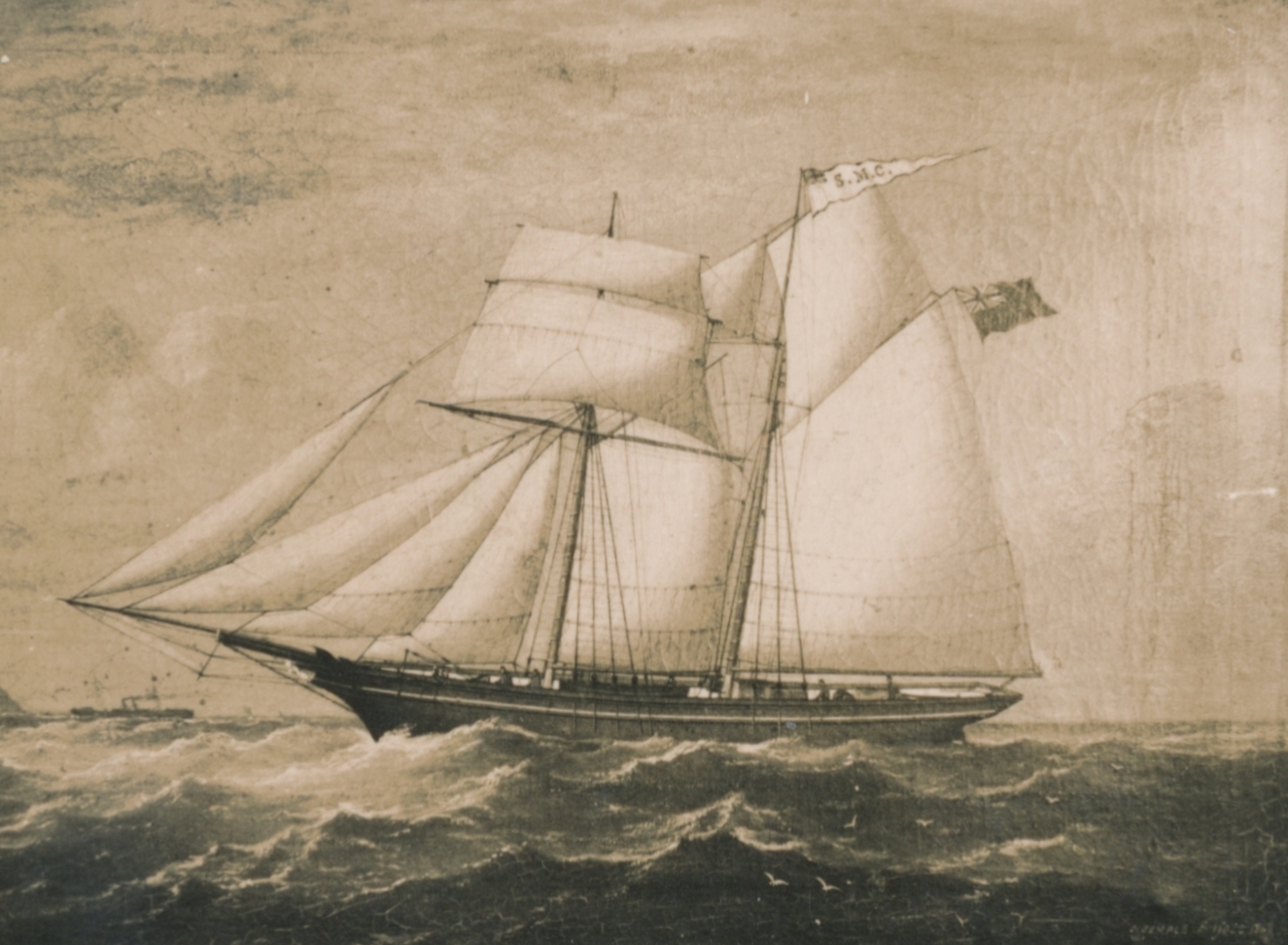
Many Cornish harbours had ship building and repair facilities for timber vessels of up to 120 tones, sometimes even larger. This encouraged the Cornish 19th century coastal trade which involved the movement of goods around the coast of Britain. Many vessels would also cross to France where they would collect produce and transport it back to Britain and even to Ireland. One George Pappin, my two times great grandfather, would collect sugar from Le Havre and take it to Dublin, where he would sell it over the side of his vessel cutting out the wholesalers. There were larger vessels which saw Cornishmen on vessels sailing regularly across the Atlantic Ocean to Newfoundland with cargos of fish. Before the days of refrigeration fish needed to be salted and this was one of the tasks carried out in the fish cellars by women on catches of pilchards. French salt was one of the many imports as it was deemed best for this task. Cornish communities were heavily involved with these vessels with local sailors and master mariners manning these ships, often family operated. Unhappily should a vessel be sunk there was the loss of the cargo and often many or all of the crew creating a tragedy within the wider community.
In the last decade of the 18th century the port of Truro was the busiest importer and exporter of goods relating to the coastal trade. Truro imported 25,000 tons and exported 30,000 tons in 1791. Surprisingly it was St Ives in second place with imports and exports of 19,000 each way. Falmouth was not dominant coming third for imports at 14,000 tons and exports of 7,000 tons, lower than Padstow, with its 12,000 tons. When it came to trade relating to foreign destinations Falmouth was far ahead with a combined import/export total of 27,000 tons.
As trade increased it was the south coast of Cornwall which benefited most with sheltered deepwater natural harbours at Fowey and Falmouth within Carrick Roads. Greater infrastructure by way of protection and to allow cargos to be on and off loaded efficiently was constructed. The north coast of Cornwall was a more difficult proposition due to the coastline and little in the way of deep natural harbours. The River Camel provided some access inland past Padstow to Wadebridge.

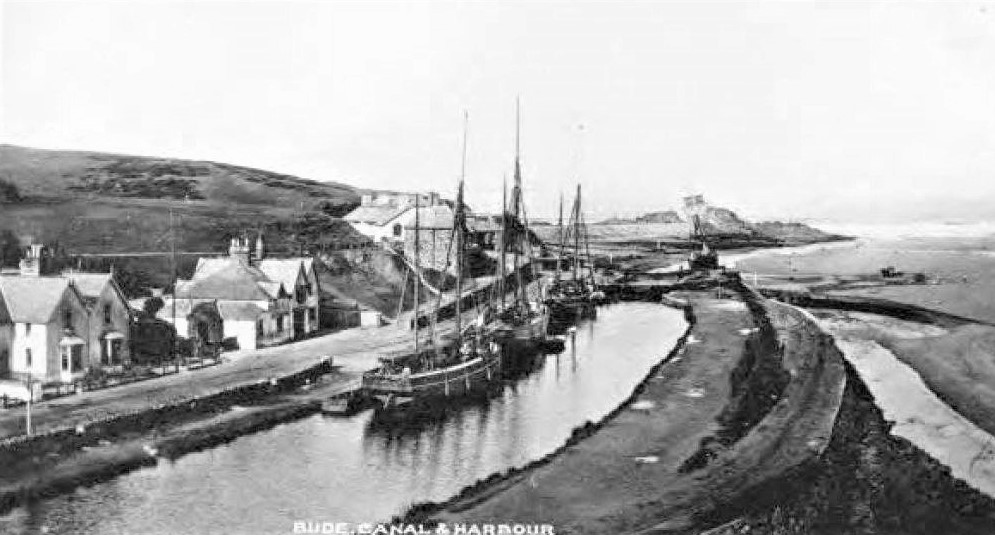
At Budehaven on the north Cornish coast a small harbour had existed from around the 15th century and was rebuilt in 1577. The completion of the Bude Canal in 1819 later allowed shipping to import some goods besides the sand for farmers for which it was originally planned. This included coal and limestone from Wales as well as foodstuffs from other ports, exports included timber and farm produce. Ship size was limited through the external sands and canal to mostly smaller vessels of around 50 tons, occasionally some of up to around 120 tons. A breakwater was built in the 1820’s to help protect the access to the canal and also to shipping awaiting entry. Following its destruction in a violent storm in 1838 the current longer structure was completed in 1843. Later in the 19th century improved roads and a rail service saw canal traffic decline. By then Bude had become a tourist destination gradually overtaking the nearby historic town of Stratton in importance.
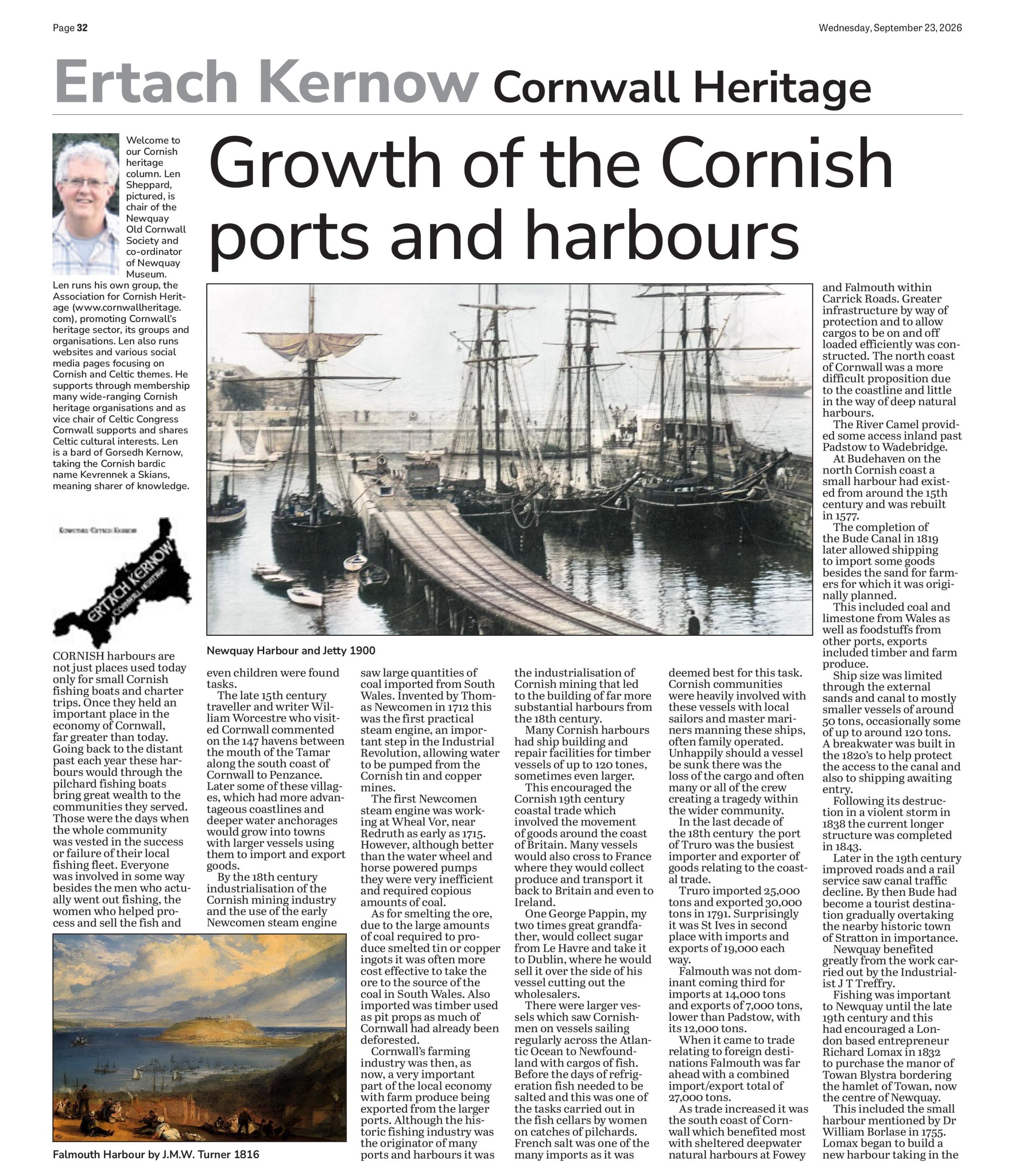
Newquay benefited greatly from the work carried out by the Industrialist J T Treffry. Fishing was important to Newquay until the late 19th century and this had encouraged a London based entrepreneur Richard Lomax in 1832 to purchase the manor of Towan Blystra bordering the hamlet of Towan, now the centre of Newquay. This included the small harbour mentioned by Dr William Borlase in 1755. Lomax began to build a new harbour taking in the area covered by today’s harbour. With his death in 1836 and the harbour largely unfinished it was left to his trustees to complete much of the work. In 1838 The manor was purchased by Treffry who completed the work. This enabled him to build a tramway from his mines near Fowey to Newquay, allowing vessels to be loaded for transport to west coast destinations of Britain avoiding the dangers of Land’s End.
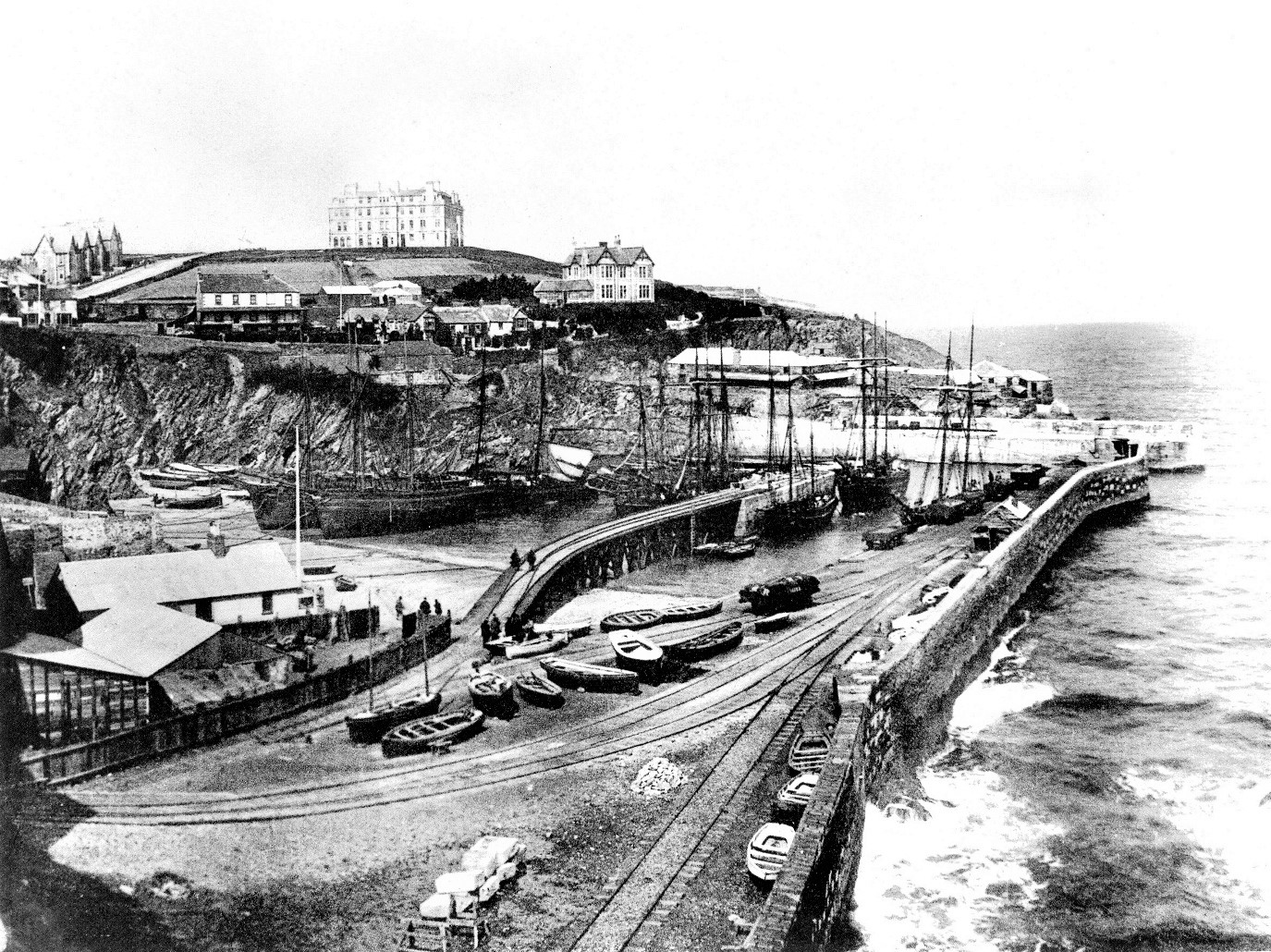
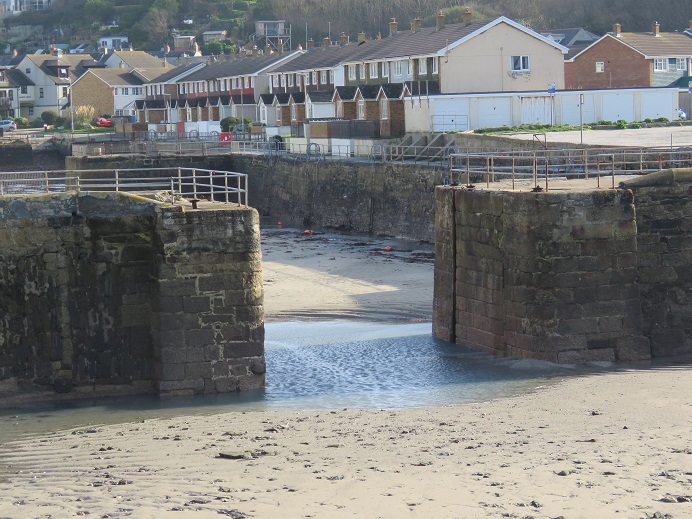
Further down the coast, Portreath is another village which grew through expansion of its harbour. Originally a successful small fishing village another mining magnet Sir Francis Bassett proposed the construction of a pier in 1756. Any existing harbour had now proved inadequate for the growing needs in the export of minerals and import of coal and to better protect ships as a place to load and unload cargo. The existing harbour began as a pier constructed from 1760 by the Portreath Company, under a lease from Francis Basset also a major investor. A chief import at Portreath was coal for the Dolcoath Mine, one of Cornwall’s largest mines. On the death of Francis Basset in 1769 his son Francis, later Lord de Dunstanville, took great interest in Portreath and purchased all the other shares in the harbour and extended the pier further. Later the Fox family of Falmouth and the Williams’ of Scorrier mining family carried out further construction work. In 1824 the pier head was further extended and inland infrastructure saw improved roads and a mineral tramway constructed to the most important mines such as Poldice. This was a boom period for Portreath making the harbour by 1827 known as one of the most important ports in Cornwall. In 1846 the inner bason was completed and by 1860 the harbour as seen today largely existed.
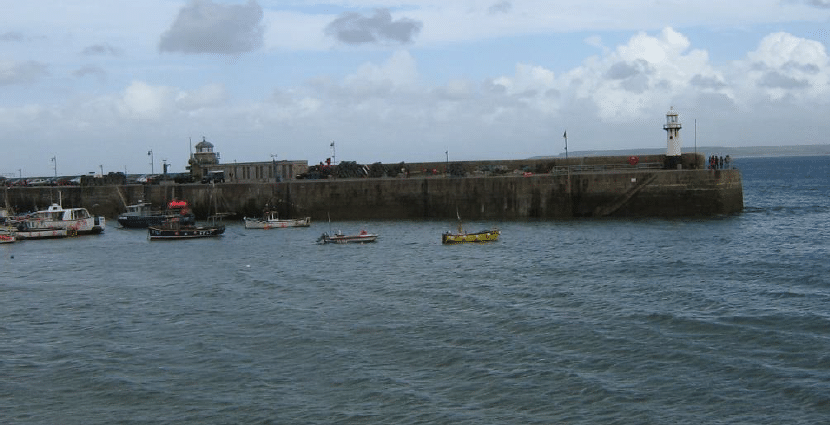
St Ives today is a major attraction for visitors but was an important fishing town back to the 14th century. As the largest fishing port in west Cornwall at that time it was granted a market charter in 1487 becoming incorporated as a borough in 1639. A pier existed in 1766 consisting of timber piles with a rubble filling. Then between 1767 and 1770 a new stone pier was constructed by John Smeaton, of Eddystone Lighthouse fame. Originally planned as a breakwater it was altered to provide better access to boats unloading alongside. Evidently the harbour became much busier and in 1831 a granite lighthouse was constructed at the end of Smeaton’s pier. The following decades would see a huge growth in the pilchard fishing fleet, in 1847 some 400 boats providing employment for 735 men. This had huge employment opportunities for women and others in processing fish for export abroad. By the mid-19th century nearby mining interests led the harbour to be used by a variety of larger sailing ships importing coal and timber and exporting copper and tin ore to South Wales.
By 1890 congestion within the harbour caused the pier to be extended to a total of 600 feet and construction of another entrance lighthouse in cast iron. Shortly after this the West Pier was built by private investors to allow the loading of quarried greenstone material from nearby quarries. Today the harbour remains a focus to the town despite many other cultural attractions.
These four examples of north Cornish coast harbour towns show early small coastal villages expanding to become busy towns in the 21st century. Construction of harbours were the factors, beginning with fishing many centuries ago and later Cornish industrialisation.
Heritage Column

Heritage in the News online links: