Ertach Kernow - Cornish environment in a changing climate
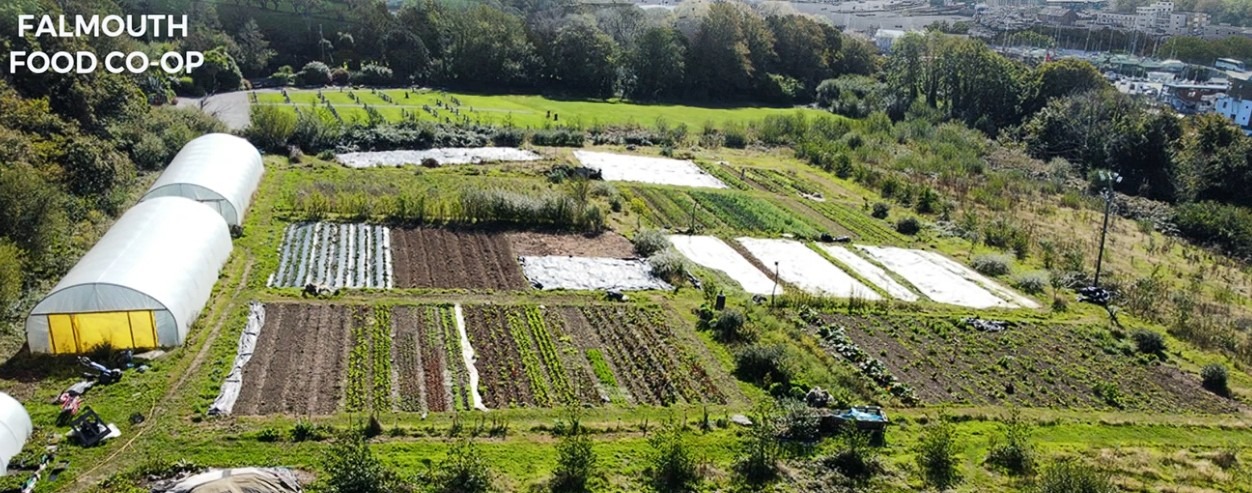
Our Cornish environment has been hot this summer, maybe not quite as much as elsewhere thanks to our surrounding seas having a cooling effect. As sea temperatures rise this may become less of an advantage in future years. Multiple heatwaves from May suffered this year are unlikely to be the last with August often the hottest month still to come.
As always click the images for larger view
The summer months see the sea around the Cornish coast having a mean average temperature maximum of around 12°, the warmest of any part of the UK coastline. Of course the seas also have a benefit during the winter months with a mean average temperature of around 9° and helps ensure Cornwall does not have very low temperatures. The benefits of the prevailing south westerly winds off the sea, keeping Cornwall both cool and warm, are negated when easterly winds blow hot and cold air off the land. Probably the coldest day of the 20th Century in Cornwall was 13th January 1987, which on that day -9.0 °C at St Mawgan was recorded.
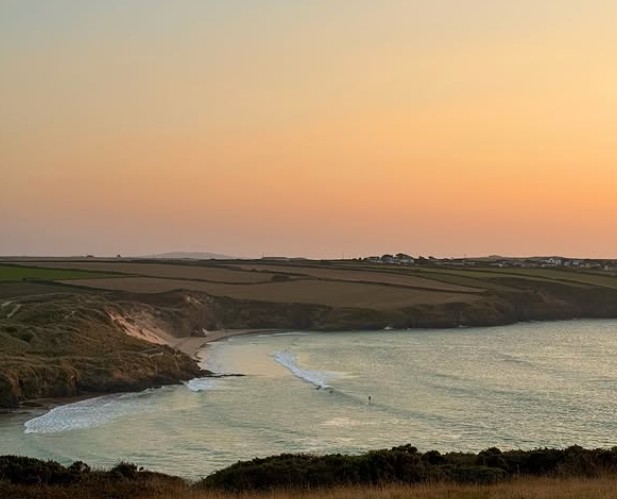
Although tourism is one of the highest economic drivers of the Cornish economy, the agricultural and forestry sectors along with fishing have similar economic value. The advantage is that these are not at the whim of the general public whether they staycation or not. Tourism, agriculture and forestry are industries where water availability is an important factor and dry weather and increasing heat levels are increasingly a worrying issue for Cornwall.
Larger farms perhaps have the land to utilise to create their own localised reservoirs for use during the summer. Government schemes have been introduced to encourage ‘rainwater harvesting’ on farms creating multiple advantages and better quality water, free of chemicals and limescale. These are important schemes and besides helping the farms resilience indirectly supports the wider public and local environment. An increased interest in ‘regenerative farming’ is also aiding the battle against climate change. This involves working the land in a different way to traditional faming methods and increasing yields by working with nature. This is important as the UK provides just sixty percent of its food requirements and needs to improve on this.
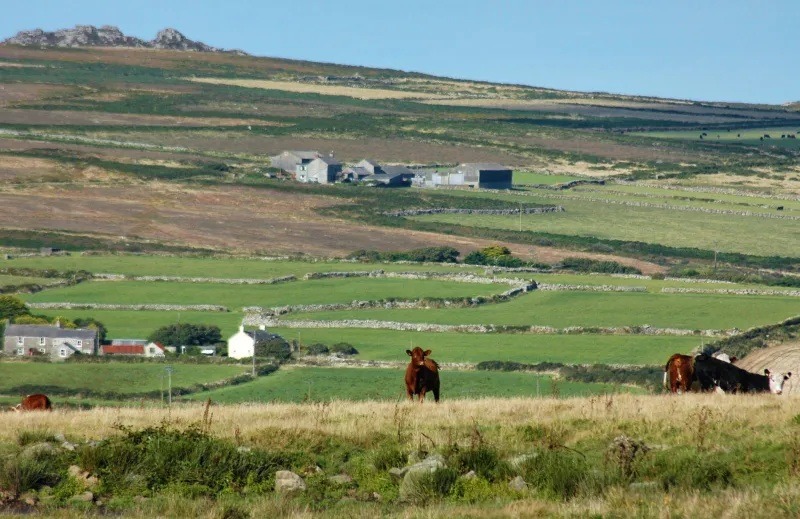
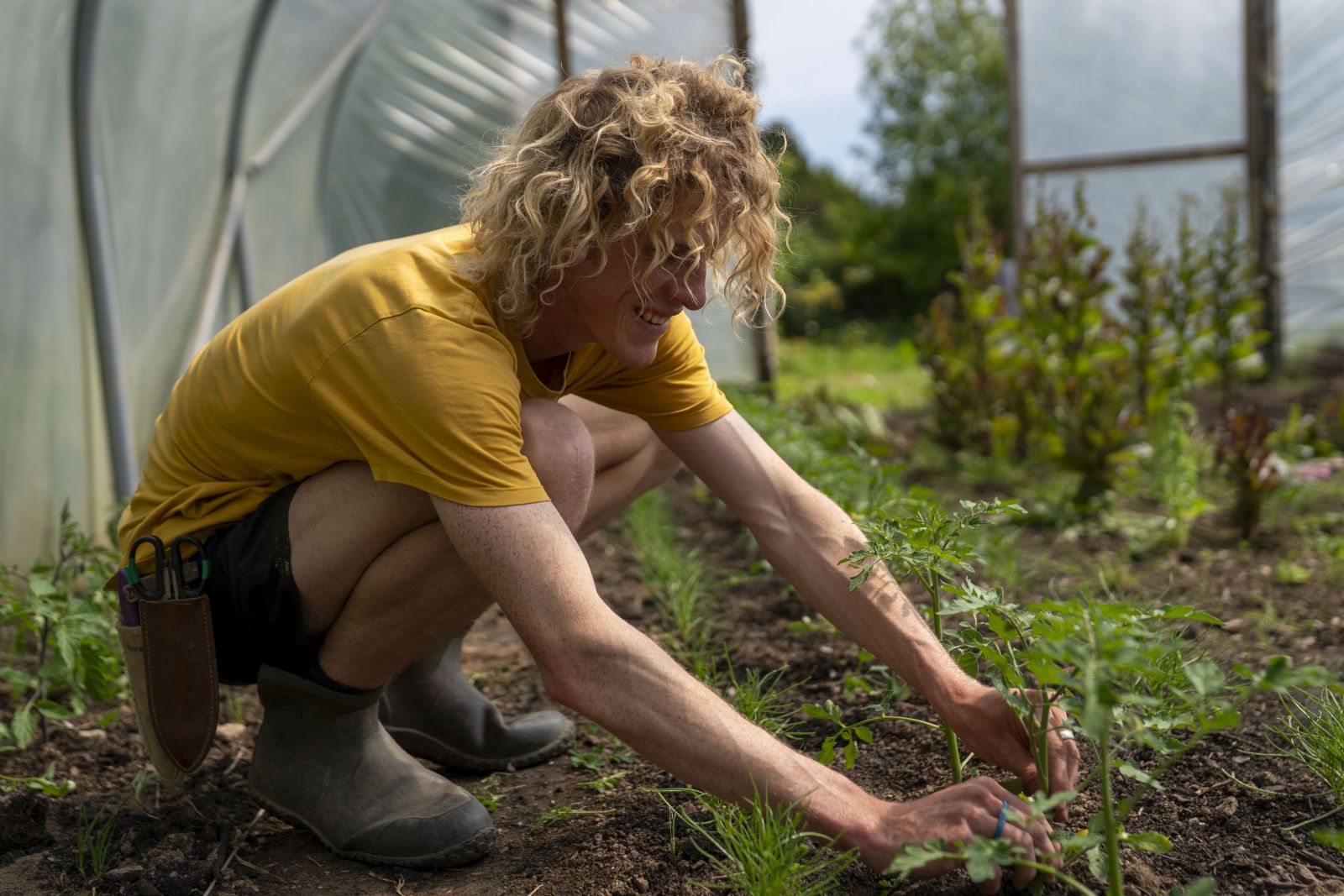
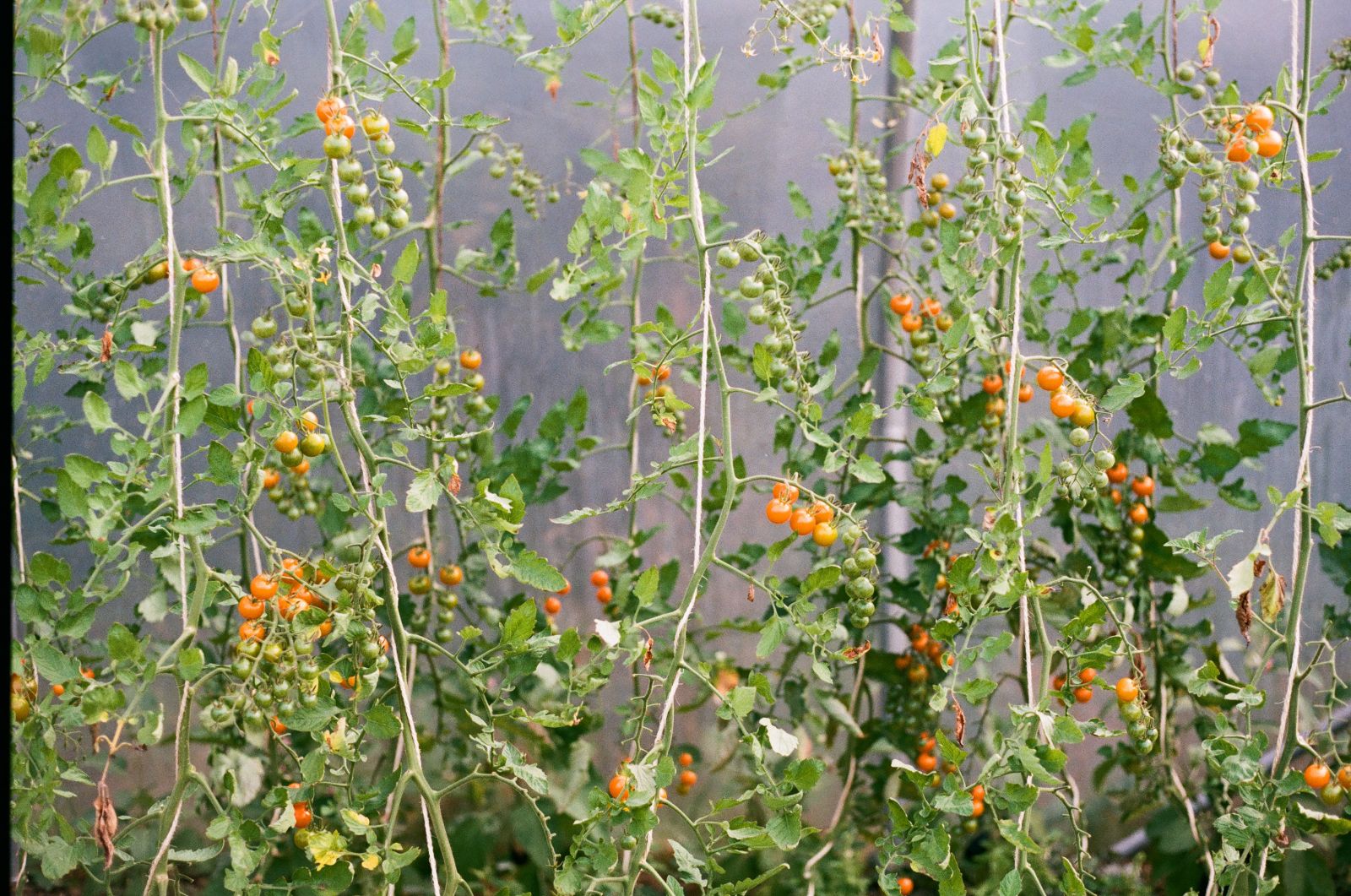
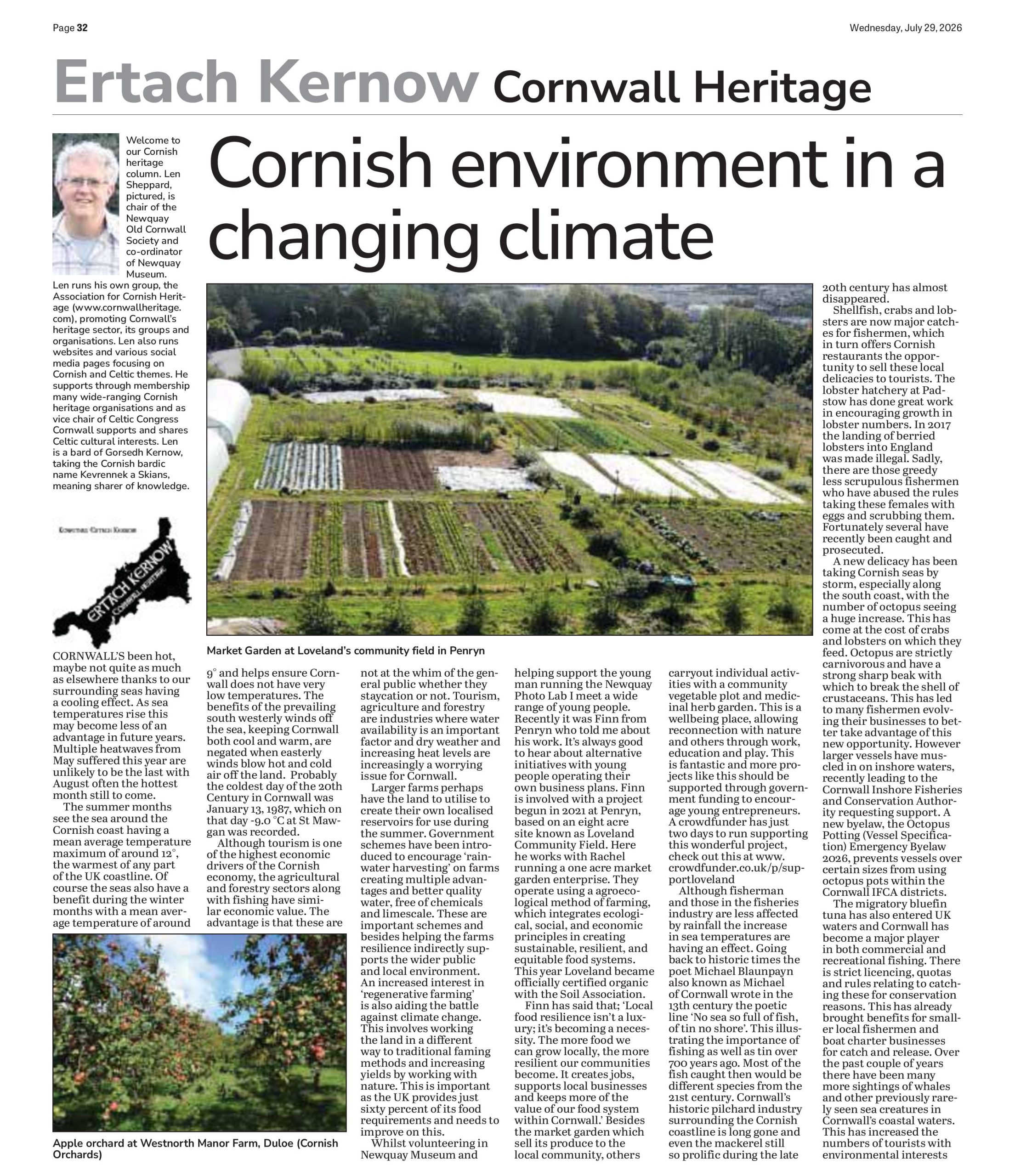
Whilst volunteering in Newquay Museum and helping support the young man running the Newquay Photo Lab I meet a wide range of young people. Recently it was Finn from Penryn who told me about his work. It’s always good to hear about alternative initiatives with young people operating their own business plans. Finn is involved with a project begun in 2021 at Penryn, based on an eight acre site known as Loveland Community Field. Here he works with Rachel running a one acre market garden enterprise. They operate using a agroecological method of farming, which integrates ecological, social, and economic principles in creating sustainable, resilient, and equitable food systems. This year Loveland became officially certified organic with the Soil Association.
Finn has said that; ‘Local food resilience isn’t a luxury; it’s becoming a necessity. The more food we can grow locally, the more resilient our communities become. It creates jobs, supports local businesses and keeps more of the value of our food system within Cornwall.’ Besides the market garden which sell its produce to the local community, others carryout individual activities with a community vegetable plot and medicinal herb garden. This is a wellbeing place, allowing reconnection with nature and others through work, education and play. This is fantastic and more projects like this should be supported through government funding to encourage young entrepreneurs.
Although fisherman and those in the fisheries industry are less affected by rainfall the increase in sea temperatures are having an effect. Going back to historic times the poet Michael Blaunpayn also known as Michael of Cornwall wrote in the 13th century the poetic line ‘No sea so full of fish, of tin no shore’. This illustrating the importance of fishing as well as tin over 700 years ago. Most of the fish caught then would be different species from the 21st century. Cornwall’s historic pilchard industry surrounding the Cornish coastline is long gone and even the mackerel still so prolific during the late 20th century has almost disappeared.
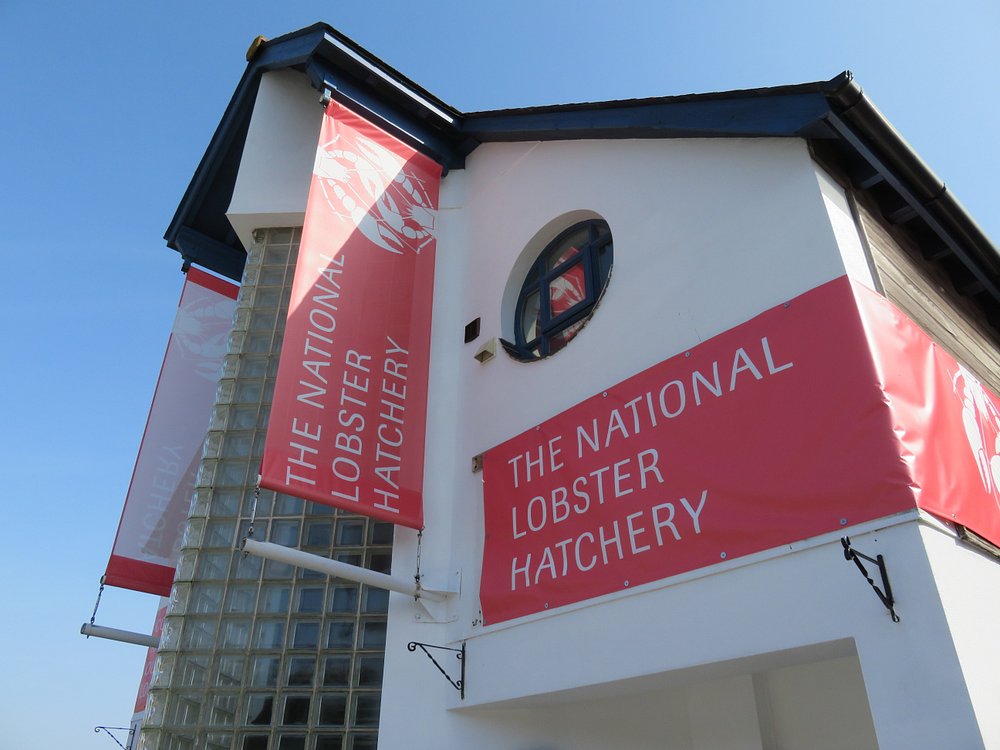
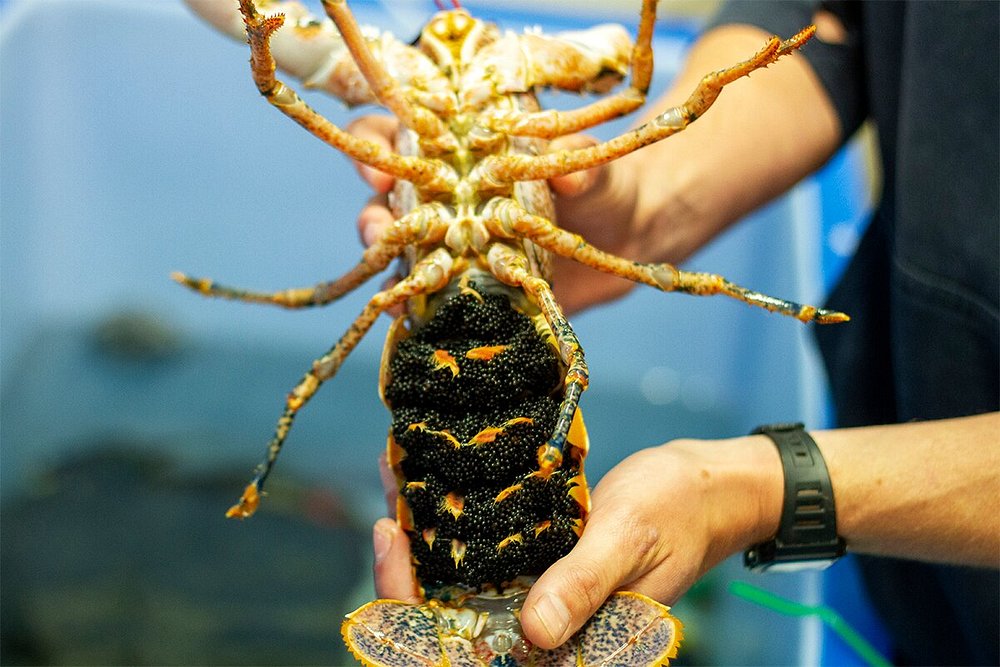
Shellfish, crabs and lobsters are now major catches for fishermen, which in turn offers Cornish restaurants the opportunity to sell these local delicacies to tourists. The lobster hatchery at Padstow has done great work in encouraging growth in lobster numbers. In 2017 the landing of berried lobsters into England was made illegal. Sadly, there are those greedy less scrupulous fishermen who have abused the rules taking these females with eggs and scrubbing them. Fortunately several have recently been caught and prosecuted.
A new delicacy has been taking Cornish seas by storm, especially along the south coast, with the number of octopus seeing a huge increase. This has come at the cost of crabs and lobsters on which they feed. Octopus are strictly carnivorous and have a strong sharp beak with which to break the shell of crustaceans. This has led to many fishermen evolving their businesses to better take advantage of this new opportunity. However larger vessels have muscled in on inshore waters, recently leading to the Cornwall Inshore Fisheries and Conservation Authority requesting support. A new byelaw, the Octopus Potting (Vessel Specification) Emergency Byelaw 2026, prevents vessels over certain sizes from using octopus pots within the Cornwall IFCA districts.
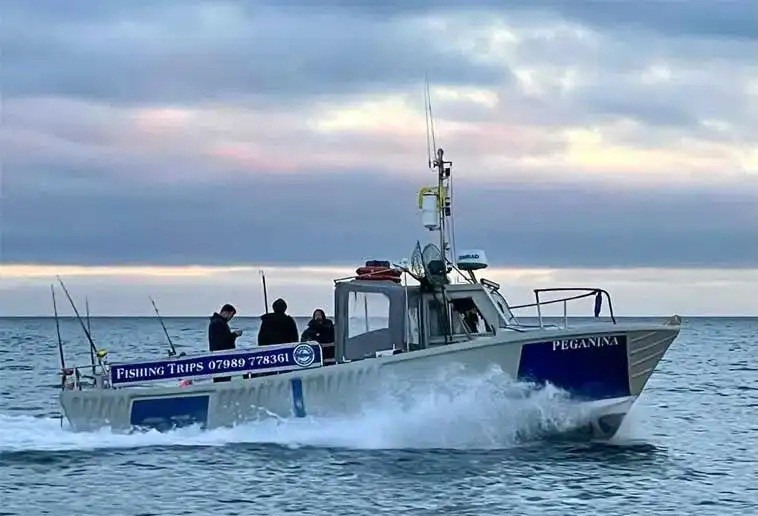
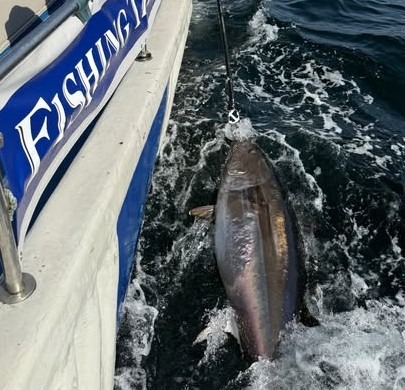
The migratory bluefin tuna has also entered UK waters and Cornwall has become a major player in both commercial and recreational fishing. There is strict licencing, quotas and rules relating to catching these for conservation reasons. This has already brought benefits for smaller local fishermen and boat charter businesses for catch and release. Over the past couple of years there have been many more sightings of whales and other previously rarely seen sea creatures in Cornwall’s coastal waters. This has increased the numbers of tourists with environmental interests and a boon to associated businesses operating in the maritime sector.
Forestry in Cornwall continues to show increased growth as the project to increase tree cover continues with the ‘Forest for Cornwall’ project. There is really so much happening throughout Cornwall which involves groups and organisations, farmers and private individuals with land which can be forested. Beavers come into the wide range of topics covered. Increasingly farmers and other landowners have become aware of the positive contribution these mammals make to woodland and local environment generally.
Looking at 19th century Ordnance Survey maps one can see the large number of orchards spread out across Cornwall. Most farms would have had an orchard or at least a few apple trees enabling them to make cider for their own consumption. Most of these are now gone and until recently the decline has continued with many of the old established variety of Cornish apple trees in serious risk of loss. The more recent increase in interest in cider has seen a revival and the ‘Forest for Cornwall’ project has encouraged many new farm orchards, as well as separate group undertakings. Besides the revival of orchards for cider production and related economic benefits to Cornwall there are the environmental gains. As the planet warms and Cornwall’s environment changes thought has to be given to increasing biodiversity for other plants, animals and birds. Orchards can provide a great contribution to ecosystems lying in grassland, perhaps with other grazing animals, and also a rich source of food and shelter for birds through increased insect life.
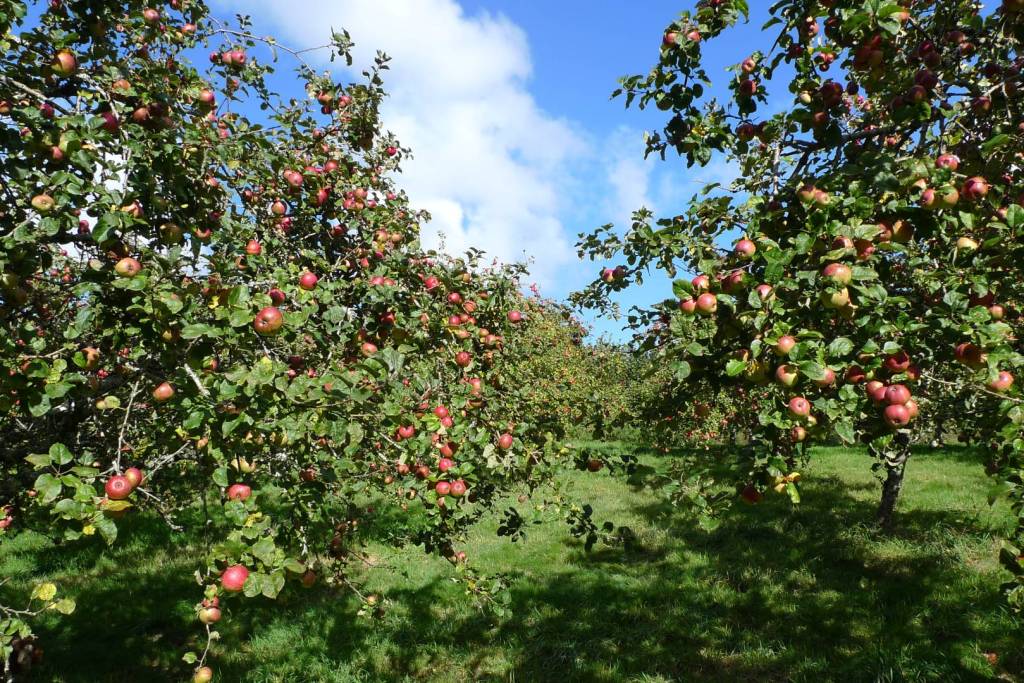
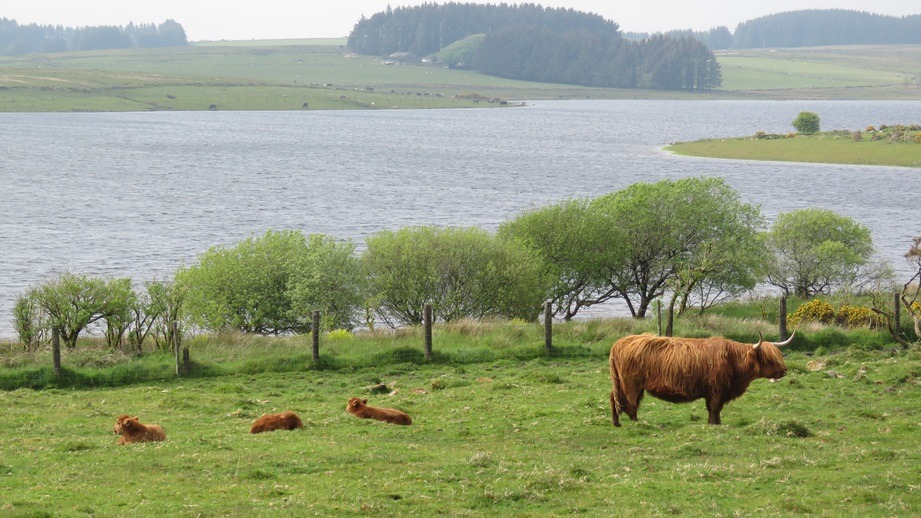
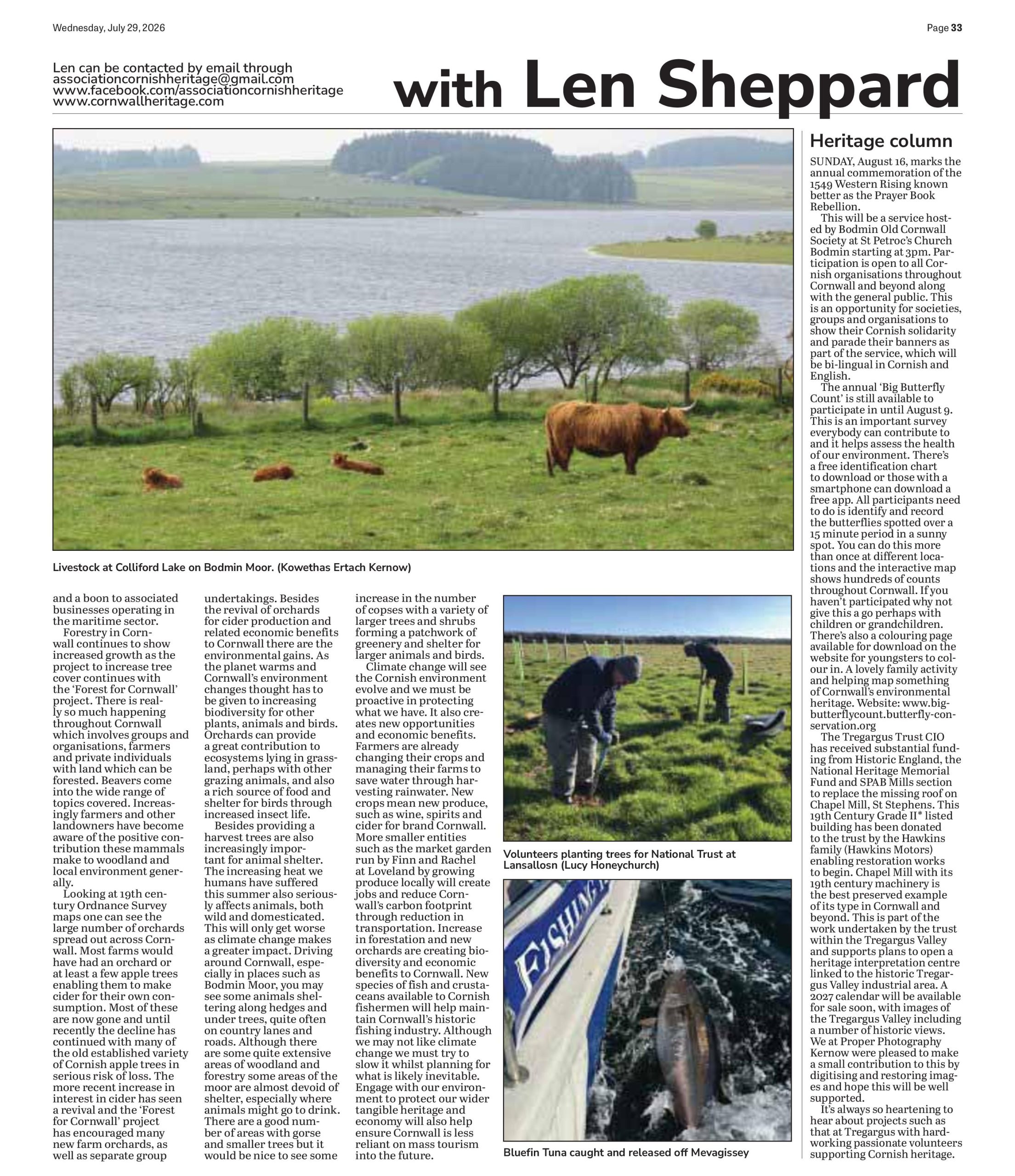
Besides providing a harvest trees are also increasingly important for animal shelter. The increasing heat we humans have suffered this summer also seriously affects animals, both wild and domesticated. This will only get worse as climate change makes a greater impact. Driving around Cornwall, especially in places such as Bodmin Moor, you may see some animals sheltering along hedges and under trees, quite often on country lanes and roads. Although there are some quite extensive areas of woodland and forestry some areas of the moor are almost devoid of shelter, especially where animals might go to drink. There are a good number of areas with gorse and smaller trees but it would be nice to see some increase in the number of copses with a variety of larger trees and shrubs forming a patchwork of greenery and shelter for larger animals and birds.
Climate change will see the Cornish environment evolve and we must be proactive in protecting what we have. It also creates new opportunities and economic benefits. Farmers are already changing their crops and managing their farms to save water through harvesting rainwater. New crops mean new produce, such as wine, spirits and cider for brand Cornwall. More smaller entities such as the market garden run by Finn and Rachel at Loveland by growing produce locally will create jobs and reduce Cornwall’s carbon footprint through reduction in transportation. Increase in forestation and new orchards are creating biodiversity and economic benefits to Cornwall. New species of fish and crustaceans available to Cornish fishermen will help maintain Cornwall’s historic fishing industry. Although we may not like climate change we must try to slow it whilst planning for what is likely inevitable. Engage with our environment to protect our wider tangible heritage and economy will also help ensure Cornwall is less reliant on mass tourism into the future.
Heritage Column

Heritage in the News online links: https://www.crowdfunder.co.uk/p/supportloveland