Ertach Kernow - Cornishmen who held the keys to power

Many Cornish people famous in their own times have often been airbrushed from the history taught at schools. Their names will often not resonate down the ages even though some even reached the highest levels of political power and influence
As always click the images for larger view
Politics is a hard master and few Cornish people have reached the top. William Noye is not a name heard in history lessons in relation to Cornish history he did however through his influence and advice have huge repercussions on life throughout Britain. Born on the family estate at Pendrea St Buryan in 1577 Noye attended college at Oxford before becoming a student of law at Lincoln’s Inn, London. He became a member of parliament for three Cornish constituencies over the coming years, Grampound, Helston and St Ives.
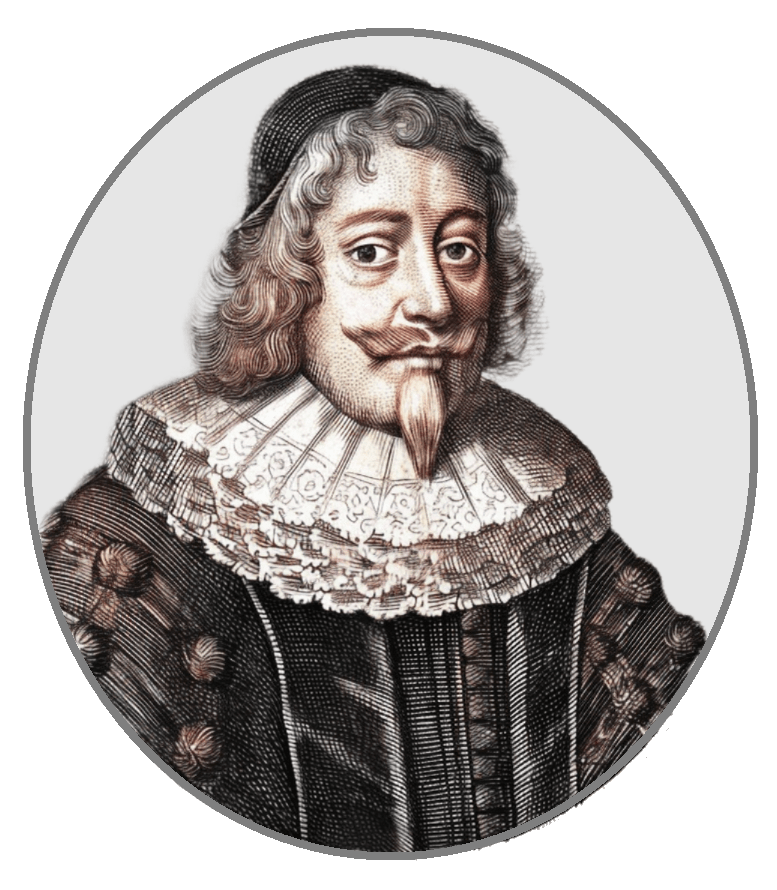
Around 1621 Noye came to the attention of Prince Charles as Duke of Cornwall who requested his advice on Duchy matters. He was nominated for a parliamentry seat and again in 1624 by the prince, later Charles II. Noye’s skills as a lawyer were being noticed, he was not a supporter of the ‘Court Party’, which backed Charles I. Parliament was prorogued and then dissolved with Charles trying to raise money without the support of Parliament through his personal prerogative. Today we might see this similarly operating in the USA with Donald Trump issuing Presidential Executive Orders, avoiding Congress and Senate approval. In the debate on tonnage and poundage of 1629 Noye proposed the insertion in the grant of a clause expressly rejecting the right of the king to levy those contributions by virtue of his prerogatives.
Noye was said not to have been a great orator but was a ‘lucid and effective speaker’, as a lawyer he was judged to have had no superior. It was with almost disbelief by many that in 1631 he was appointed attorney-general by King Charles I. It was then he provided advice to Charles relating to historic laws and prerogatives of the king. These included the revival of the hated forest laws, along with granting a soap monopoly to the Society of Soap-makers of Westminster in 1632, raising £4 per ton produced, payable to the crown. The revival of the medieval tax of ship money proposed by Noye to the king caused great discontent. It was this that would be one of the major causes of the English Civil War, leading to Charles’ execution and misery to most of the population through the Puritan Commonwealth under Oliver Cromwell.
Although the Noye family name would die out one of William Noye’s descendants would be Davies Giddy (Davies), the well-known Cornish engineer, author, historian and politician. William Noye died in 1633 and was buried at Brentford. Although not actually at the pinnacle of power, Noye’s influence on the monarchy had huge repercussions on British history. Not necessarily a bad man as portrayed by some of his adversaries he also had many supporters.
A few years after Noye’s death another Cornishman born in 1645 would also influence British history. First Lord of the Treasury is the official title of Prime Minister. English history places Sir Robert Walpole as the first Prime Minister of the United Kingdom from 1721. Following the Act of Union joining England and Scotland in 1707 the role of Lord High Treasurer was held by Sidney Godolphin 1702-1710, previously First Lord of the Treasury 1700-1701. Godolphin had negotiated the Act of Union and during the later years of the Stuart monarchy under Queen Anne was the most powerful person besides the queen herself. As such it is Sidney First Earl of Godolphin who should rightly take the position as the de facto first Prime Minister of Great Britain.
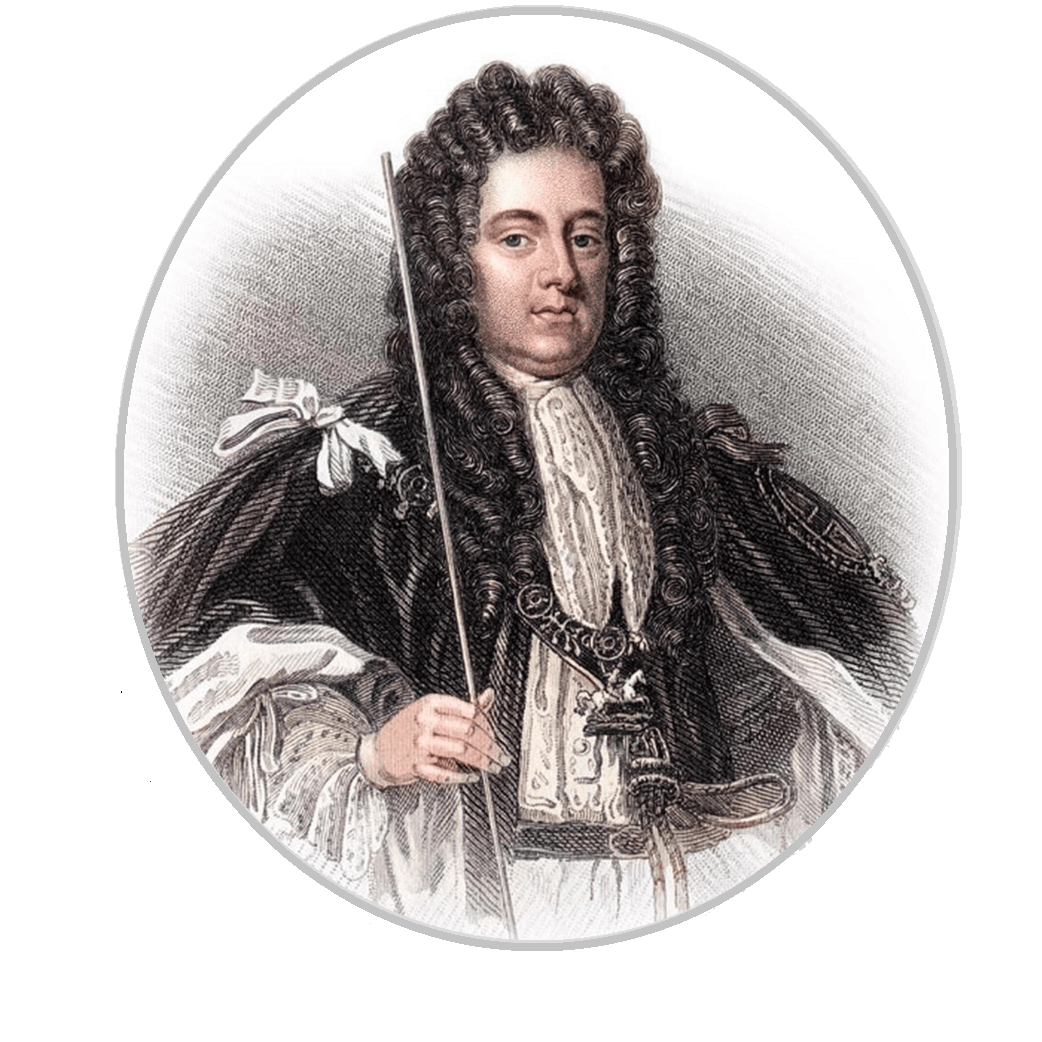

One of sixteen siblings as a young man Sidney Godolphin was placed in the household of Charles II in 1662. Over several years he enjoyed taking various roles in the royal household, he also became MP for St Mawes and Helston. Becoming a favourite of the king, Charles said of Godolphin he was ‘never in the way and never out of the way.’ Following the accession of James II Godolphin remained in positions of authority. Despite many complicated dealings following the exile of James II and the accession of William and Mary in the Glorious Revolution of 1688, Godolphin held onto power. The death of Mary then William III in 1701 saw Queen Anne, the last Stuart monarch, take the throne. Politics was difficult and with political intrigue rampant Godolphin was far from happy. He attempted to resign and retire a number of times but his standing, even with the opposition, together with knowledge and personal abilities made him virtually indispensable.
Godolphin was closely linked to John Churchill the foremost military man in Europe who became Duke of Marlborough. Queen Anne’s close friendship with Sarah Duchess of Marlborough eventually soured and this was a contributing factor to the fall of Godolphin from power. He finally resigned from office in 1710 and died just two years later aged sixty-seven. Sidney First Earl of Godolphin was buried in Westminster Abbey where nearby there is a memorial bust. He was considered hard-working and time seemed to have increased his reputation. In 1724 it was said of him ‘Godolphin had certainly the best head and capacity for a minister of state of any man in England and was a man that no country in the world might be ashamed of. He had not the least tincture of avarice and was the uncorruptest man in his time’ in the treasury’

Here were two Cornishmen who never met, both achieving influence and power and even a common connection representing the same constituency of Helston as MP’s. They both enjoyed a working relationship with Charles II, Noye when prince and Godolphin as king. Both affected British politics and history with huge repercussions.