Ertach Kernow - Cornwall’s antiquities and historic sites endangered
Cornwall’s antiquities and multiple historic sites continue to be endangered. This might be through neglect, lack of funding or just inappropriate human intervention and greed or just plain stupidity. This was brought to mind during July 2026 in a report that once again one of Cornwall’s historic bridges was damaged.
As always click the images for larger view
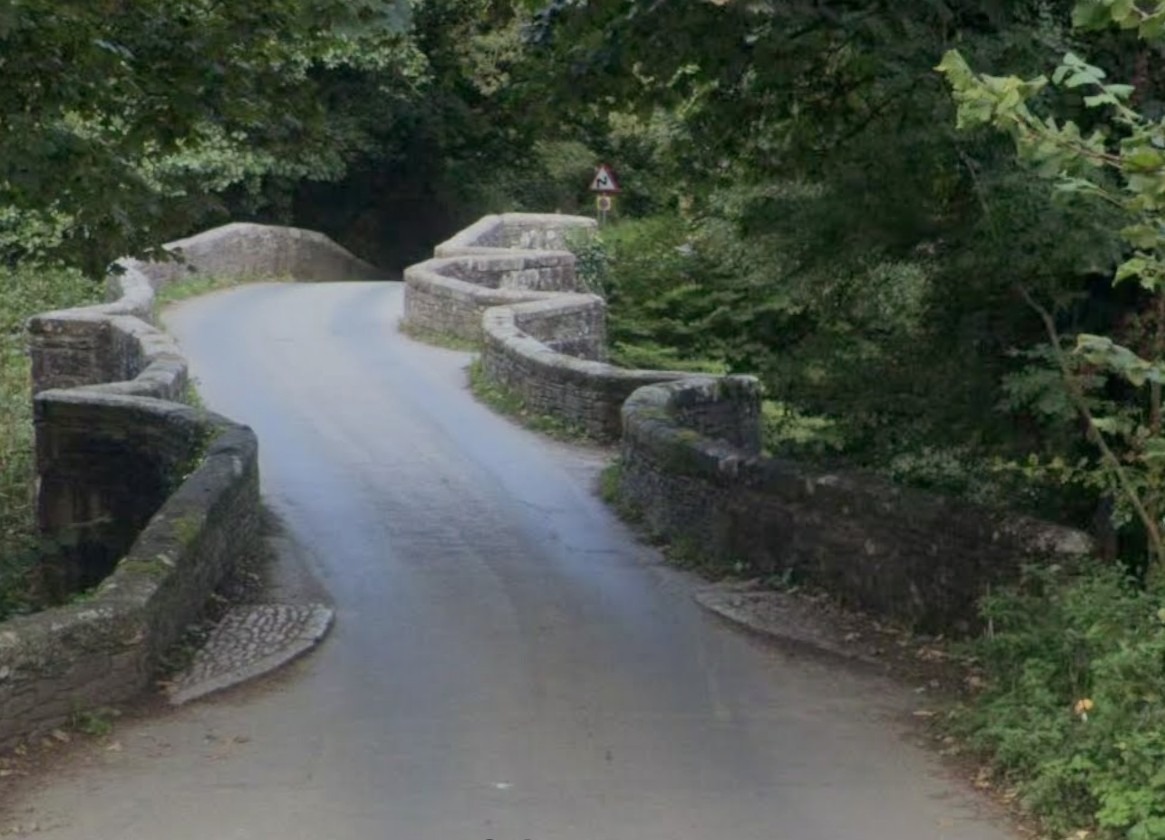
Trekelland Bridge is a Grade II listed structure and this year alone has been damaged twice. The problem is oversized vehicles and no doubt caused by non-local people, who will quite obviously know the size restrictions. This is an issue throughout Cornwall for its ancient bridges and is one of the reasons tourists with their oversized SUV’s cause frustration and dislike amongst Cornish residents. Many of these larger cars are unsuited to narrow Cornish lanes, as are often the driving skills of motorists more used to cities and motorways.
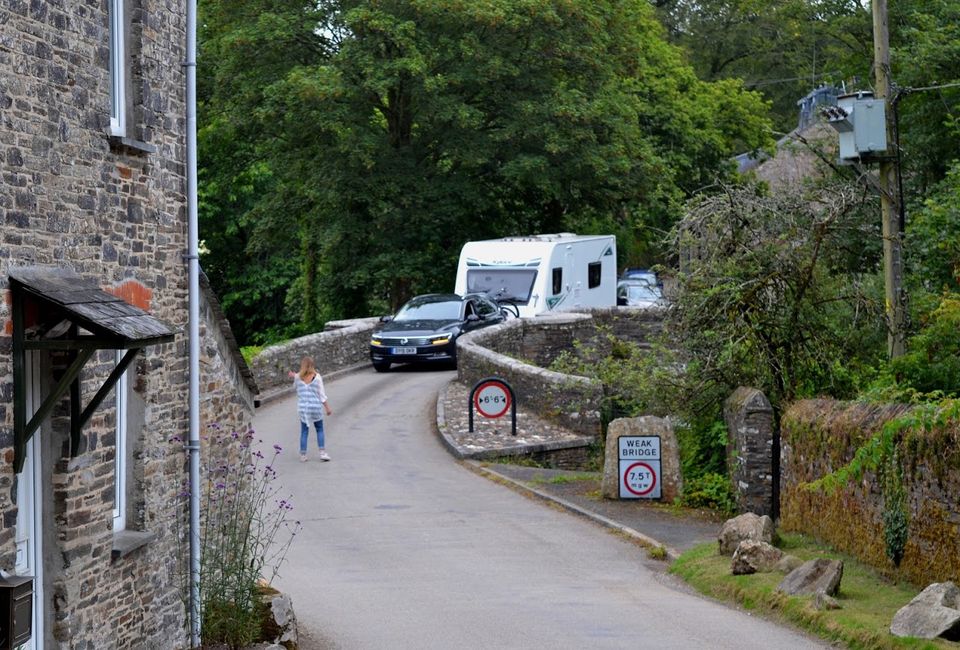
Helland Bridge between Bodmin and Wadebridge has also suffered damage in the last few years. Again this has been caused by oversized or heavy vehicles using the bridge. A photo shared by Historic England shows a car pulling a caravan stuck on the bridge. This illustrates the stupidity and lack of consideration by some drivers and if it wasn’t for damage caused to the structure of this historic monument might be quite amusing.
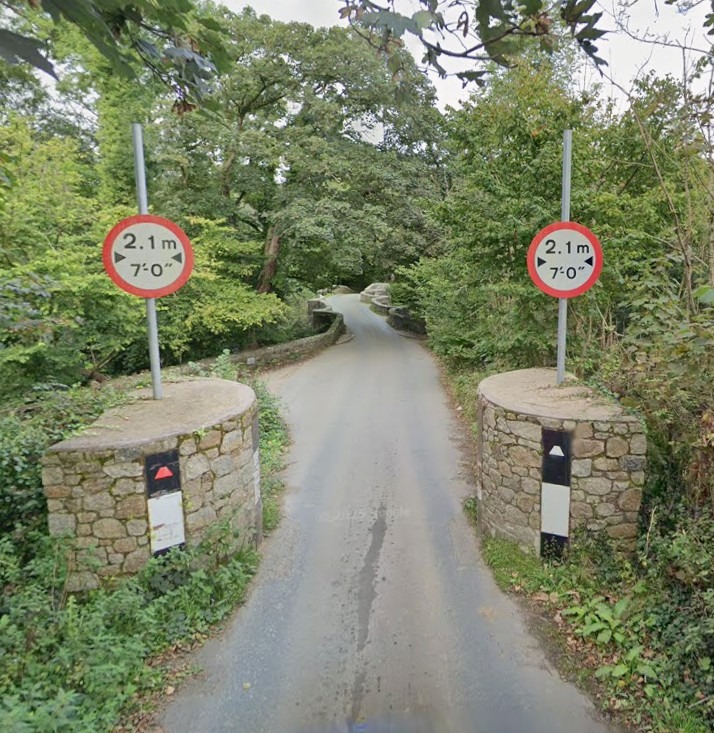
The attractive and historic Respryn Bridge, which I covered in February 2021, regularly suffered from vehicular damage. Investment in protection during 2019 has reduced the risk by setting width restrictions and stone bollards either side of the bridge access points. However, that hasn’t stopped vehicles trying to get through as the scraping on the metal each side of the protection testifies. Sadly, since then there has been one incident in 2022 with the Cornwall Archaeological Society reporting damage likely caused by a motor vehicle. Although not 100% successful the amount of potential damage has been reduced. Much more of this type of work needs to be done throughout Cornwall to reduce, or hopefully prevent, this type of damage to listed historic bridges.
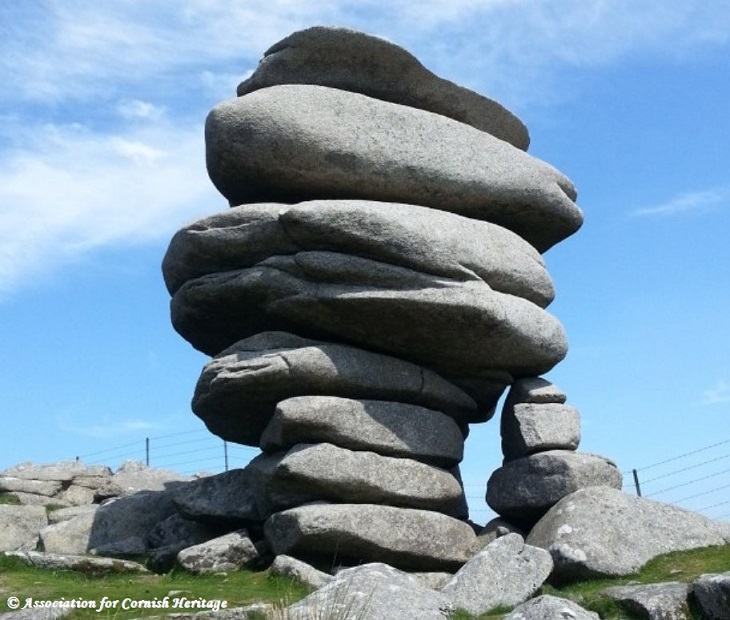

On Stowe’s Hill, the seventh highest tor on Bodmin Moor, is the famous Cheesewring. This site is highly protected under a number of designations as a Protected Scheduled Monument within a World Heritage Site, County Wildlife Site, a regionally Important Geology Site and in one of the twelve Cornwall National Landscape areas. It’s been quoted as having more protections than Stonehenge. The Cheesewring a wind sculpted rock has been visited and drawn since Tudor times when John Norden visited. He was so enthused by it that he measured each of the ‘wrings’ height and wrote quite extensive notes. This magnificent edifice was endangered during the 19th century through nearby quarrying, so much so that some additional stones were added to supposedly help support it. Those dangers are now past but ‘heritage vandalism’ has occurred close by.
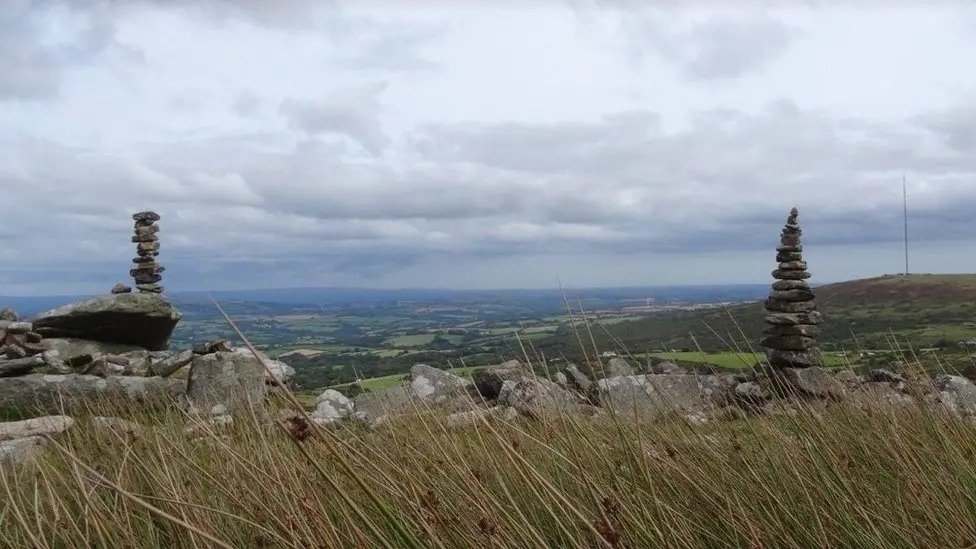
Besides the Cheesewing there are extensive Neolithic remains and also a later large hillfort and stock pound. The height of the heritage vandalism occurred from around 2017 when people were taking rocks from the site and building what has been termed ‘fairy stacks’. Although trained volunteers took them down, on one day fifty-two, the vandalism continued. This type of damage to ancient sites is illegal under the Ancient Monuments and Archaeological Areas Act of 1979 and perpetrators face criminal prosecution. Whether they considered building these structures was art or just a fun thing to do they were adding to the destruction of a historic scheduled monument.
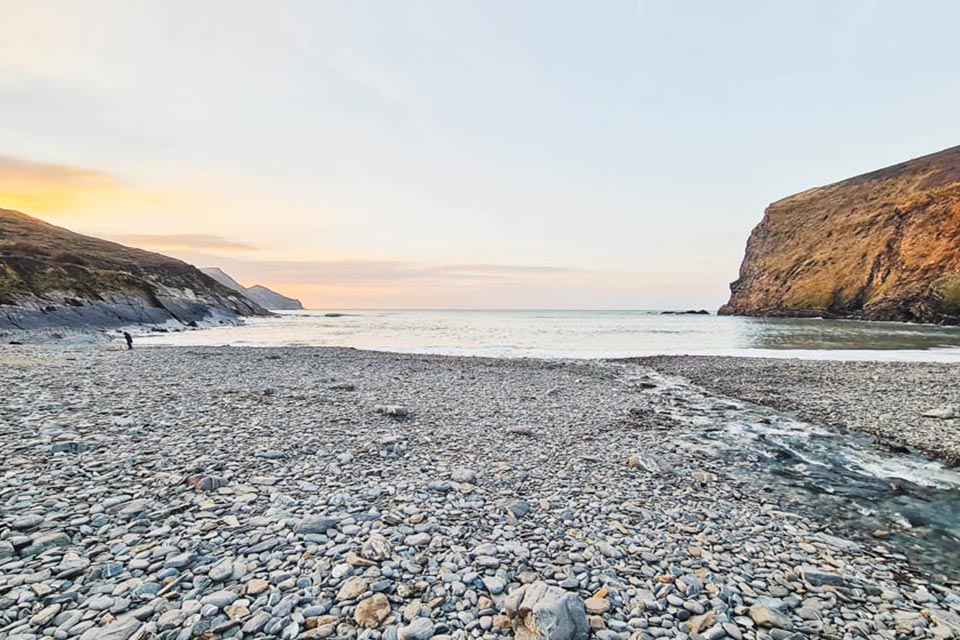
People are always being encouraged by makeover television programmes to enhance their gardens. This often includes adding some interesting rocks. Nothing wrong with that except some people decide to take them from Cornish beaches. Many people have done it unaware of the potential consequences to their pockets as well as environmental issues. The Coastal Protection Act 1949 states it is unlawful to excavate or remove any natural material from the seashore to which the Act applies. This could result in fines up to £1,000 and includes pebbles, shells and sand. In earlier centuries vast amounts of sand were removed from Cornish beaches to add to soil on farmland as a means to improve it. Businesses were based on this and the Edyvean Canal starting at Lusty Glaze in Newquay to Mawgan Porth was begun to move sand to farming communities inland.
Although most beaches may not be considered ancient or historic sites they are part of Cornwall’s environmental heritage and some also protect listed and scheduled places inland. The gradual removal of stones, pebbles and sand will reduce the protection afforded by beaches during storms and higher tides as climate change becomes more apparent. Consider the number of people visiting some beaches and the removal of one pebble by each person over a number of years, this could amount to a huge pile. Some people will no doubt try to remove some of those much larger attractive sea rounded stones as ornaments for their gardens. In 2018 a man who removed a quantity from the beach at Crackington Haven was forced to travel hundreds of miles to return them or face fines. Sign’s there now warn people of the risk of removal.

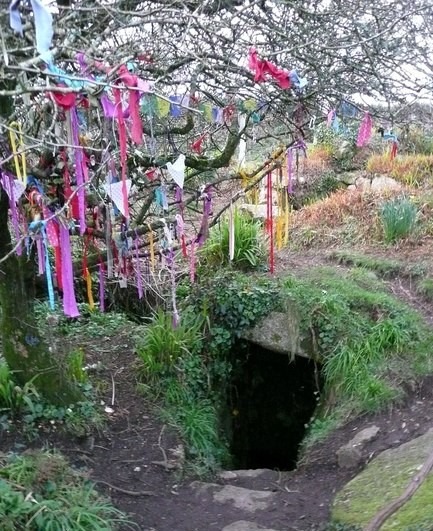
There are a number of cloutie trees around Cornwall. Amongst the most well-known are those at the holy wells at Madron and Sancreed. People do not necessarily mean ill towards ancient and historic sites but often do not realise their small actions can have negative consequences. The tying of a piece of cloth, sometimes dipped into a nearby holy well, to the tree is a longstanding Celtic tradition. It is said that as the cloth rots away so the adverse illness or other issue will gradually fade away. Unfortunately there are those who do not understand the meaning of the tradition and will tie virtually anything to the tree. This might be metal or even strips of plastic, just placed there for fun or to be seen to join in the activity. These do not rot away and it means that volunteers often have to spend time remove them as part of an ongoing protection plan.
Many other small acts of what might be thought of as reverence to a site can cause issues. The leaving of unbiodegradable ‘offerings’, candles, night lights, incense sticks, crystals and similar is not acceptable. These might have a deleterious effect on the site and local flora or fauna. Coins pressed between stones of a building can over time with heat expansion and contraction begin erosion damage. There is a saying ‘take only memories, leave only footprints’, perhaps one might add a photo or two as well.
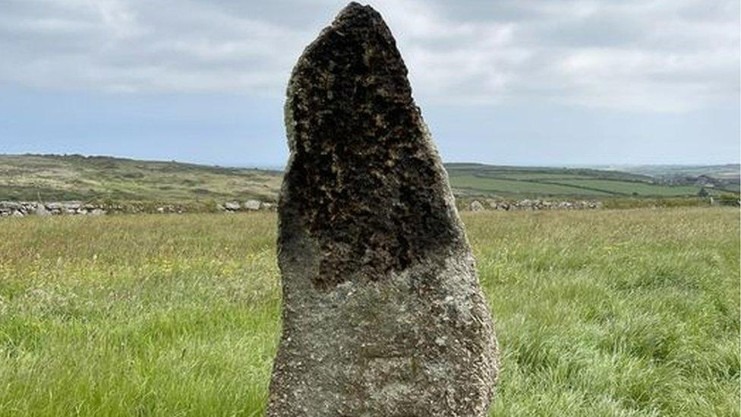
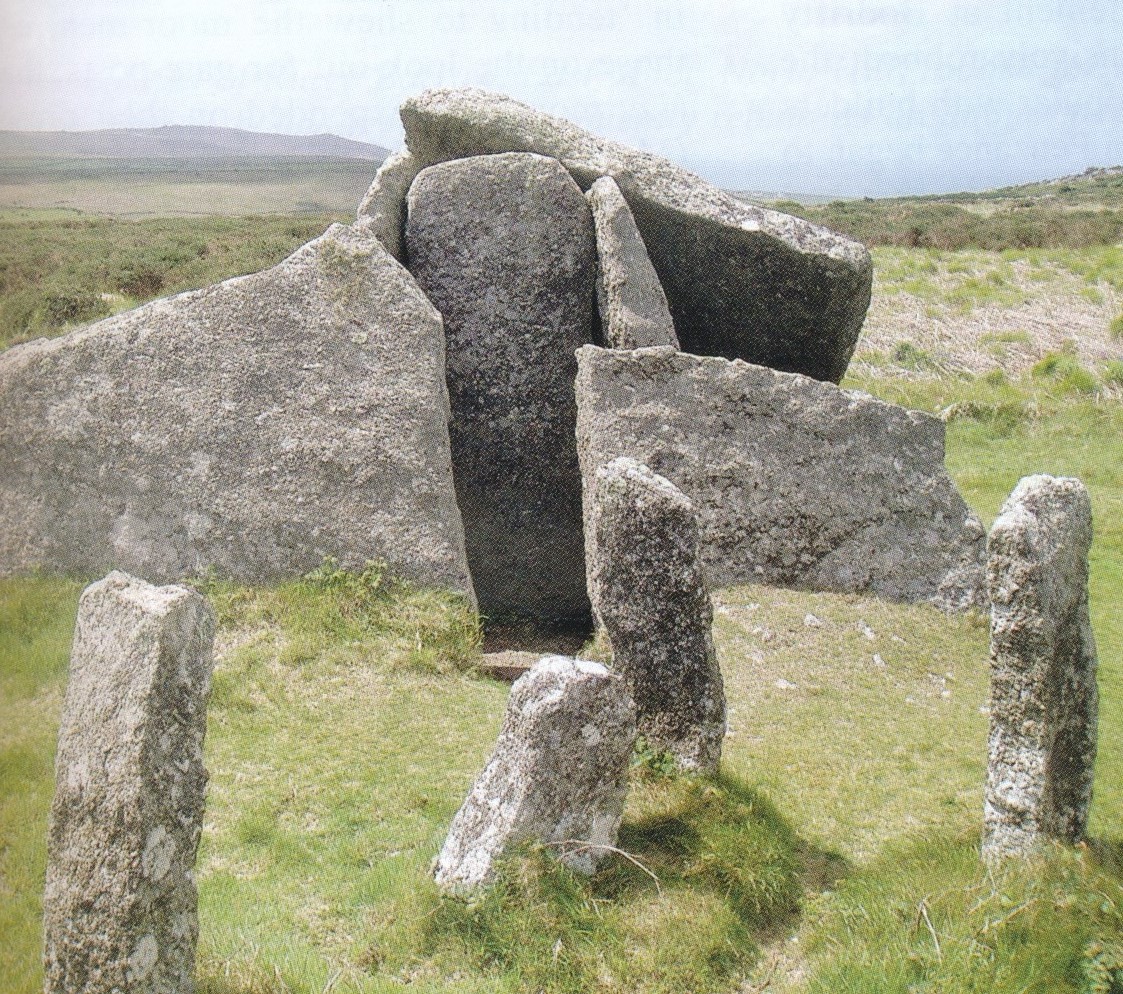
In June 2023 One of Cornwall most famous standing stones Men Scryfa in Penwith was attacked. This stone is a listed protected scheduled monument and what possessed anyone to pour a flammable liquid over it and set it alight is unbelievable. This six foot ancient stone with a Roman inscription also had its base partially excavated to perhaps try and topple the stone. Men Scryfa is thought to date from the Bronze Age with the Roman inscription added much later, which reads ‘Rialobrani Cunovali fili’ translating as ‘Rialobranus son of Cunovalus.’ There are many other ancient monuments in the area including Men an Tol and Lanyon Quoit. The quoit at Zennor dates to the late Neolithic and has William Boslase, a great grandson of the famous antiquarian, to thank for its survival. It was he who prevented a farmer dismantling it to make a cow shed in 1861.
Zennor Quoit is an example of damage potentially caused through farming. All that remains of some sites are crop circles, which can often be seen from the air. Stones removed, filling and ploughing over ancient remains and in so many cases total obliteration. The Barrowfields at Newquay was once an extensive burial site with up to twenty one barrows. A farmer named Cardell is reported to have removed a number of these for the stone and soil they contained. 19th century Cornish newspapers called him the great destroyer for the desecration, leaving just the three barrows there today. The loss of the artefacts held within is a great shame for later generations.

Today although we are more caring under ten percent are protected, thousands of sites remain unscheduled and unprotected, often including standing stones and other ancient places. Within our towns and villages many historic buildings also go unprotected. There is often local outrage when a developer moves in to tear down a building of some historic value to the community. Perhaps it should have been listed due to its architectural value or its connection to a famous person. The relatively small number of committed volunteers working to do this are usually overwhelmed. Perhaps communities have only themselves to blame for not being more proactive and supportive. But of course today most people are just too busy to engage with helping conservation groups, so it’s not much good crying when it’s too late.
CASPN One of the groups working to protect and preserve Cornish heritage sites in Penwith.
One hopes the people living in Cornwall appreciate their environment and the many wonderful sites and structures we have here. The numerous groups and organisations working to protect and preserve our Cornish tangible heritage really do need support. Without interesting historic bridges, ancient sites with stone circles, standing stones, monuments, buildings, protected headlands and the like, Cornwall would be a much poorer place to live. Much of this preservation and protection work is carried out by volunteers who really care about Cornish heritage and to whom we should be very grateful. Meur ras!

Heritage Column