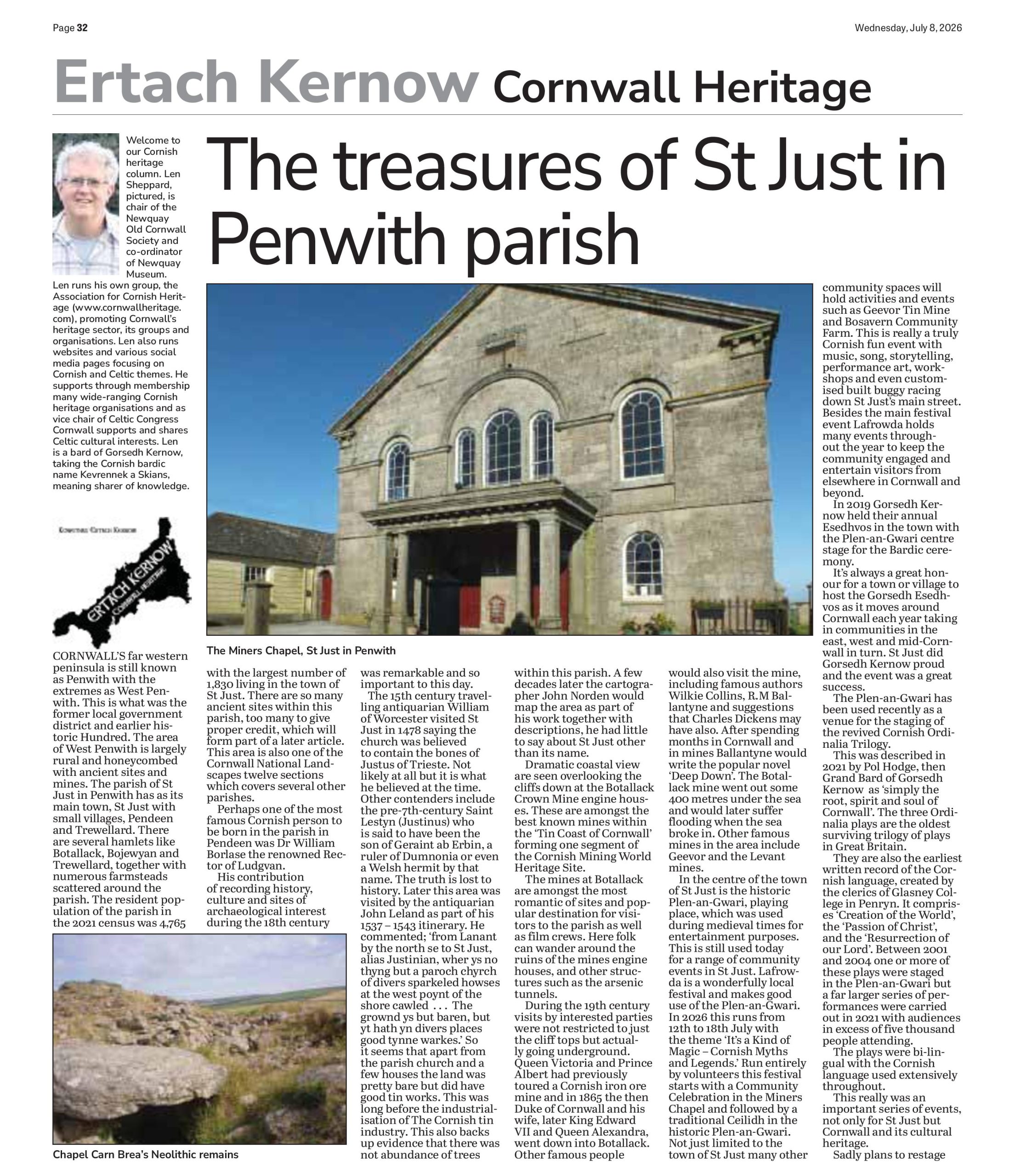
Ertach Kernow - The treasures of St Just in Penwith Parish
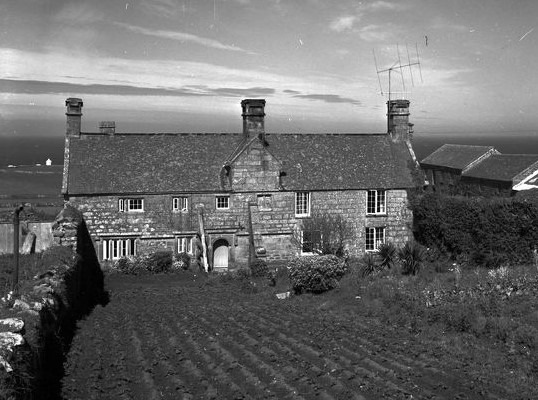
Cornwall’s far western peninsula is still known as Penwith with the extremes as West Penwith. This is what was the former local government district and earlier historic Hundred. The area of West Penwith is largely rural and honeycombed with ancient sites and mines. The parish of St Just in Penwith has as its main town, St Just with small villages, Pendeen and Trewellard. There are several hamlets like Botallack, Bojewyan and Trewellard, together with numerous farmsteads scattered around the parish. The resident population of the parish in the 2021 census was 4,765 with the largest number of 1,830 living in the town of St Just. There are so many ancient sites within this parish, too many to give proper credit, which will form part of a later article. This area is also one of the Cornwall National Landscapes twelve sections which covers several other parishes.
As always click the images for larger view
Perhaps one of the most famous Cornish person to be born in the parish in Pendeen was Dr William Borlase the renowned Rector of Ludgvan. His contribution of recording history, culture and sites of archaeological interest during the 18th century was remarkable and so important to this day.
The 15th century travelling antiquarian William of Worcester visited St Just in 1478 saying the church was believed to contain the bones of Justus of Trieste. Not likely at all but it is what he believed at the time. Other contenders include the pre-7th-century Saint Iestyn (Justinus) who is said to have been the son of Geraint ab Erbin, a ruler of Dumnonia or even a Welsh hermit by that name. The truth is lost to history. Later this area was visited by the antiquarian John Leland as part of his 1537 – 1543 itinerary. He commented; ‘from Lanant by the north se to St. Just, alias Justinian, wher ys no thyng but a paroch chyrch of divers sparkeled howses at the west poynt of the shore cawled . . . . The grownd ys but baren, but yt hath yn divers places good tynne warkes.’ So it seems that apart from the parish church and a few houses the land was pretty bare but did have good tin works. This was long before the industrialisation of The Cornish tin industry. This also backs up evidence that there was not abundance of trees within this parish. A few decades later the cartographer John Norden would map the area as part of his work together with descriptions, he had little to say about St Just other than its name.

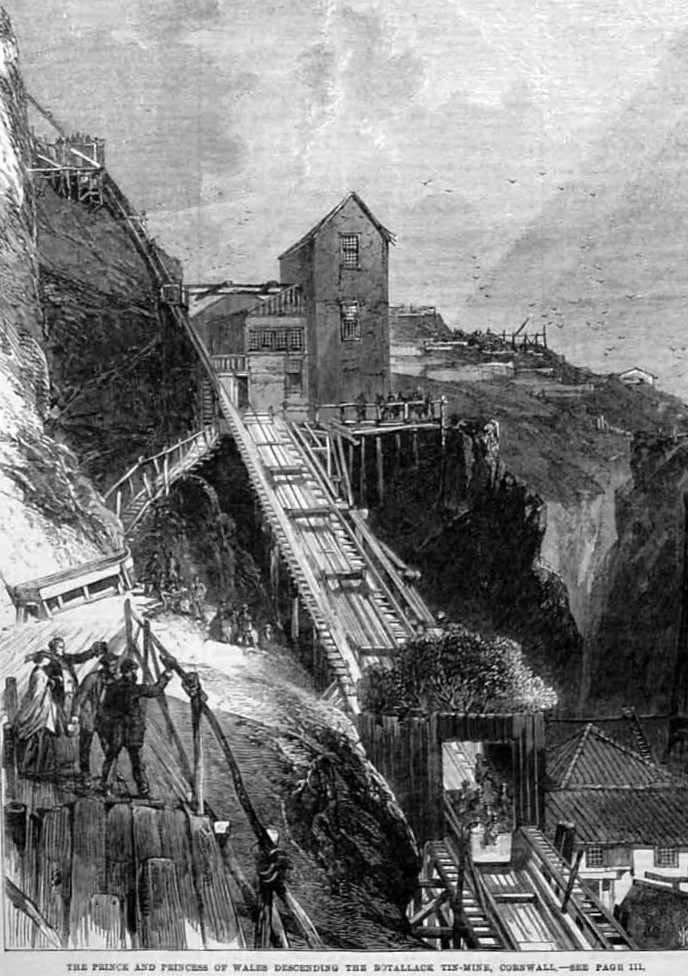
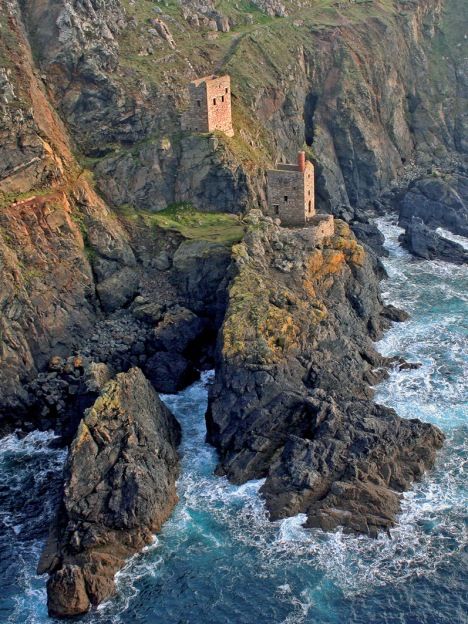
Dramatic coastal view are seen overlooking the cliffs down at the Botallack Crown Mine engine houses. These are amongst the best known mines within the ‘Tin Coast of Cornwall’ forming one segment of the Cornish Mining World Heritage Site. The mines at Botallack are amongst the most romantic of sites and popular destination for visitors to the parish as well as film crews. Here folk can wander around the ruins of the mines engine houses, and other structures such as the arsenic tunnels. During the 19th century visits by interested parties were not restricted to just the cliff tops but actually going underground. Queen Victoria and Prince Albert had previously toured a Cornish iron ore mine and in 1865 the then Duke of Cornwall and his wife, later King Edward VII and Queen Alexandra, went down into Botallack. Other famous people would also visit the mine, including famous authors Wilkie Collins, R.M Ballantyne and suggestions that Charles Dickens may have also. After spending months in Cornwall and in mines Ballantyne would write the popular novel ‘Deep Down’. The Botallack mine went out some 400 metres under the sea and would later suffer flooding when the sea broke in. Other famous mines in the area include Geevor and the Levant mines.
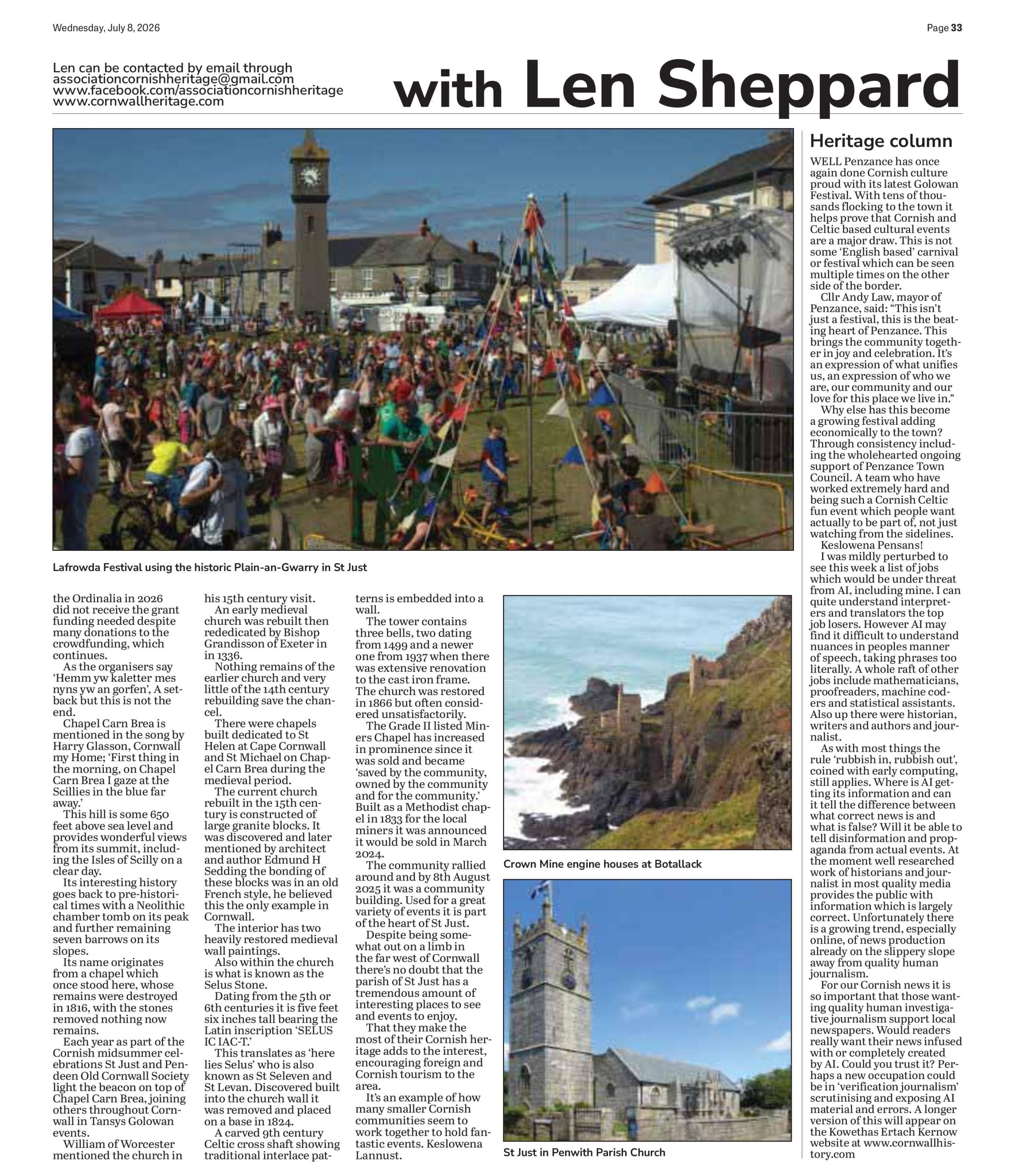
In the centre of the town of St Just is the historic Plen-an-Gwari, playing place, which was used during medieval times for entertainment purposes. This is still used today for a range of community events in St Just. Lafrowda is a wonderfully local festival and makes good use of the Plen-an-Gwari. In 2026 this runs from 12th to 18th July with the theme ‘It’s a Kind of Magic – Cornish Myths and Legends.’ Run entirely by volunteers this festival starts with a Community Celebration in the Miners Chapel and followed by a traditional Ceilidh in the historic Plen-an-Gwari. Not just limited to the town of St Just many other community spaces will hold activities and events such as Geevor Tin Mine and Bosavern Community Farm. This is really a truly Cornish fun event with music, song, storytelling, performance art, workshops and even customised built buggy racing down St Just’s main street. Besides the main festival event Lafrowda holds many events throughout the year to keep the community engaged and entertain visitors from elsewhere in Cornwall and beyond.
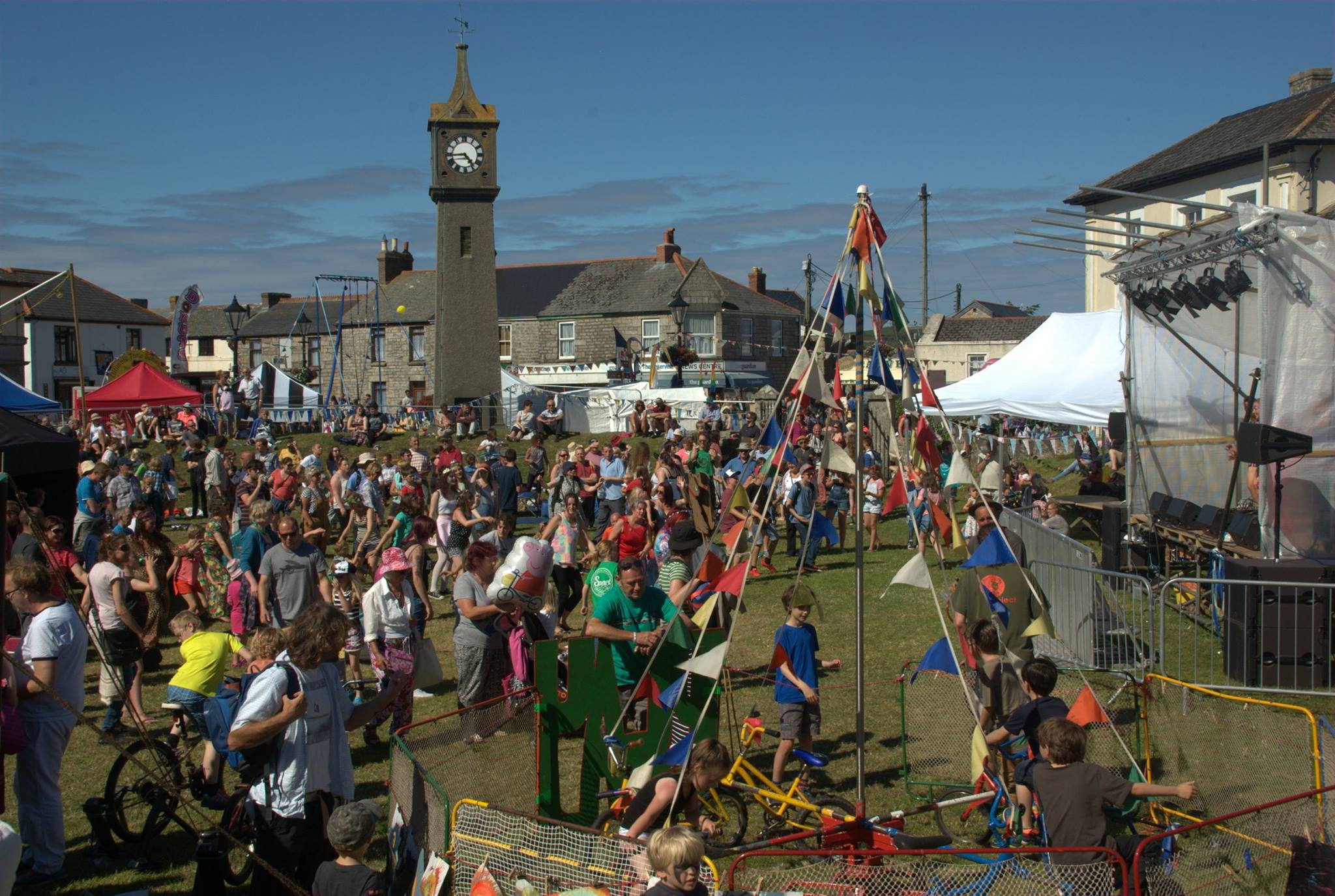
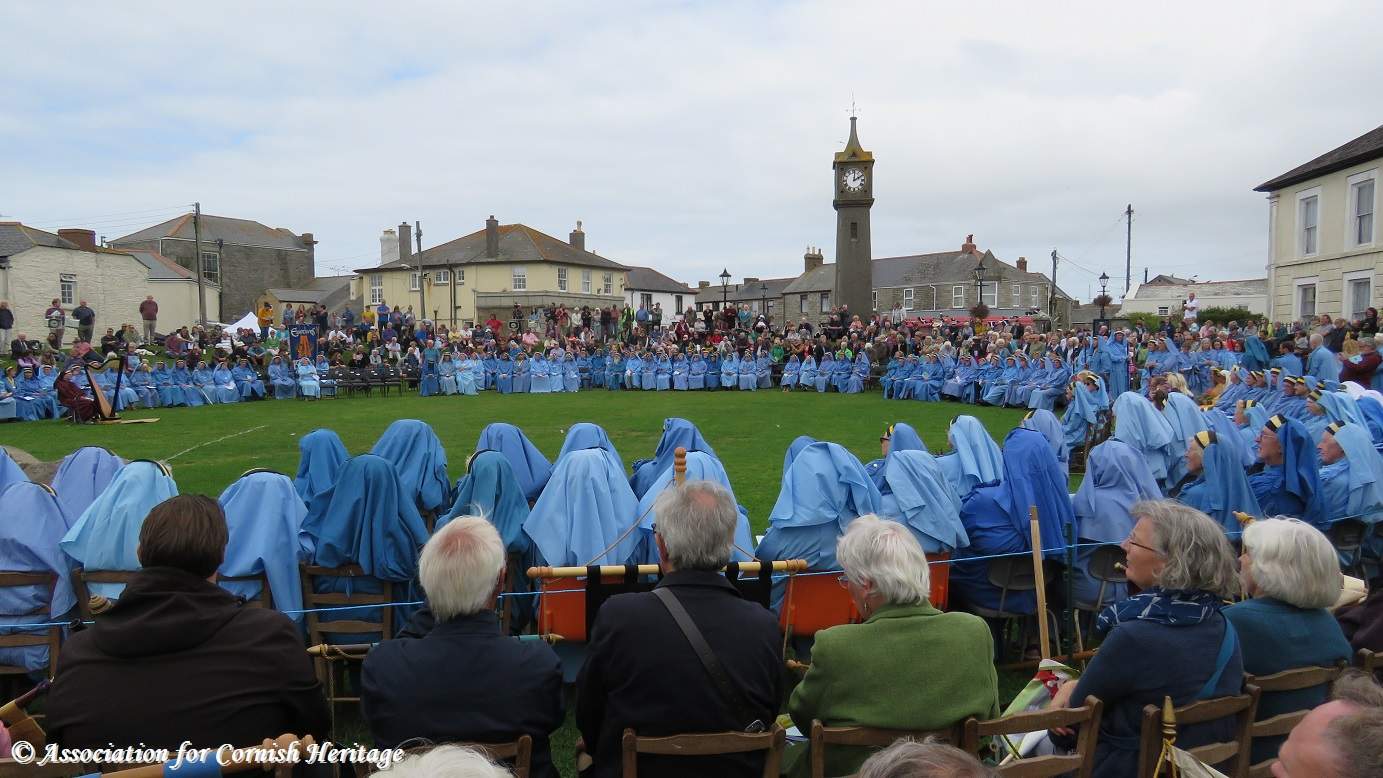
In 2019 Gorsedh Kernow held their annual Esedhvos in the town with the Plen-an-Gwari centre stage for the Bardic ceremony. It’s always a great honour for a town or village to host the Gorsedh Esedhvos as it moves around Cornwall each year taking in communities in the east, west and mid-Cornwall in turn. St Just did Gorsedh Kernow proud and the event was a great success.
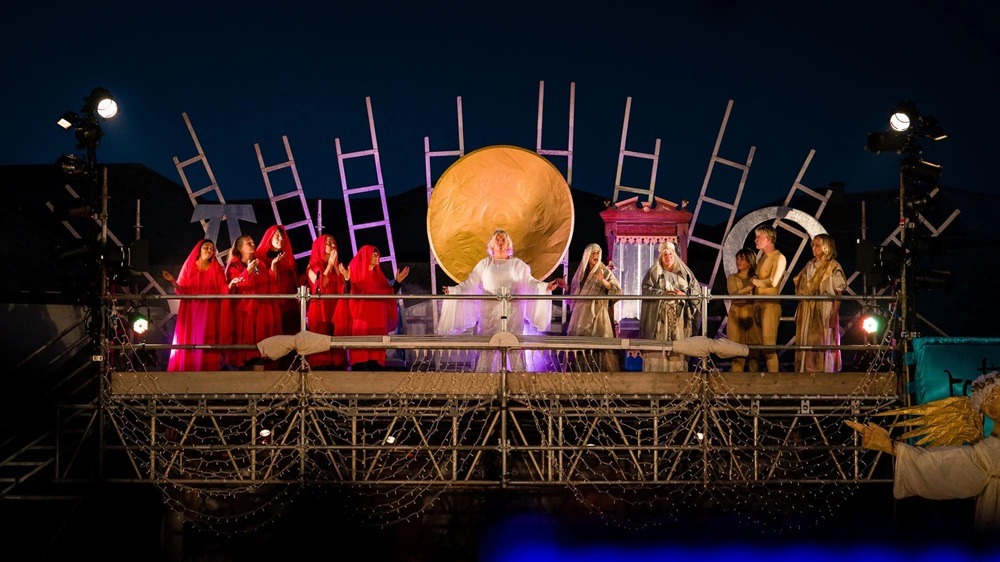
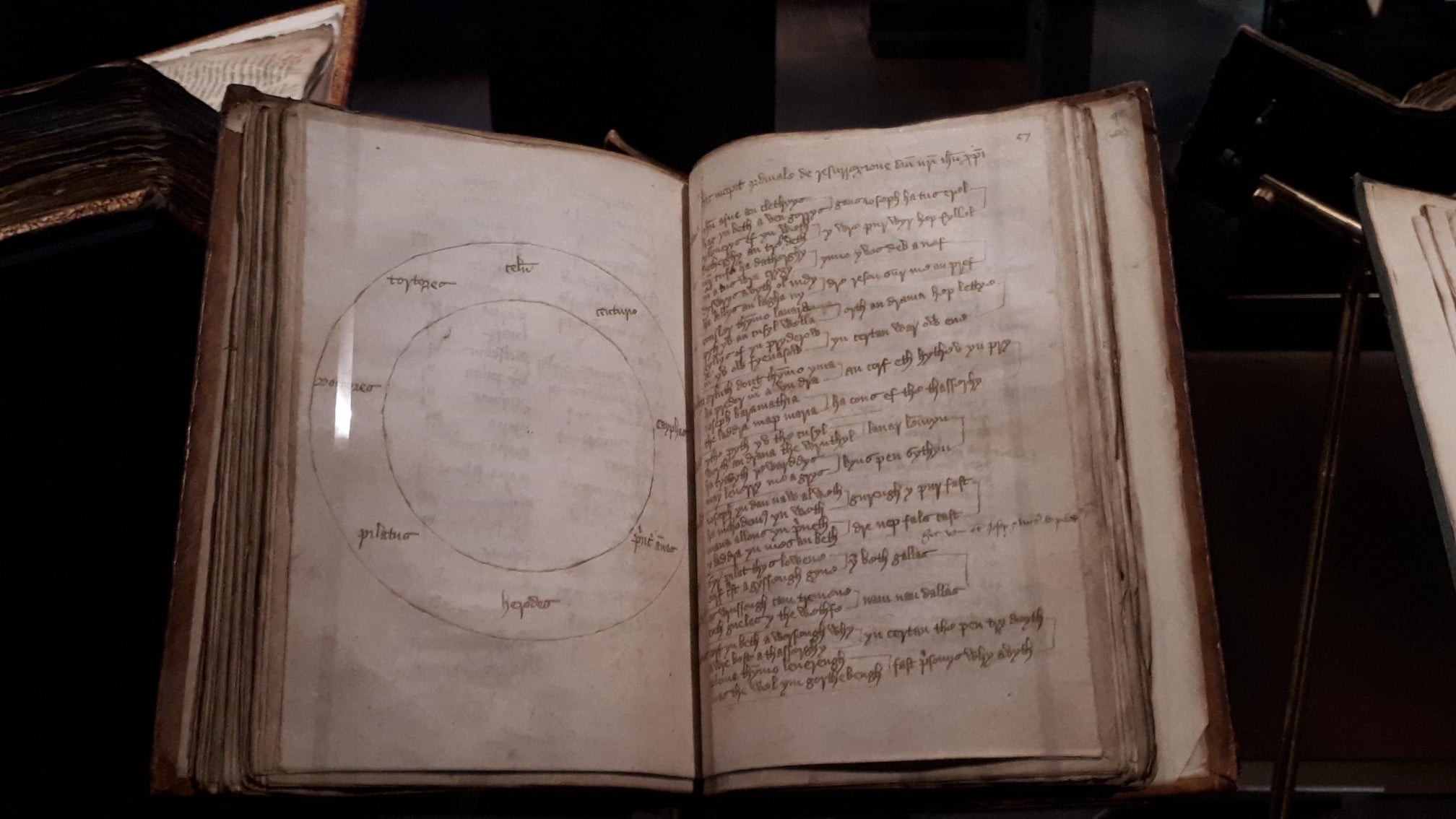
The Plen-an-Gwari has been used recently as a venue for the staging of the revived Cornish Ordinalia Trilogy. This was described in 2021 by Pol Hodge, then Grand Bard of Gorsedh Kernow as ‘simply the root, spirit and soul of Cornwall’. The three Ordinalia plays are the oldest surviving trilogy of plays in Great Britain. They are also the earliest written record of the Cornish language, created by the clerics of Glasney College in Penryn. It comprises 'Creation of the World', the 'Passion of Christ', and the 'Resurrection of our Lord'. Between 2001 and 2004 one or more of these plays were staged in the Plen-an-Gwari but a far larger series of performances were carried out in 2021 with audiences in excess of five thousand people attending. The plays were bi-lingual with the Cornish language used extensively throughout. This really was an important series of events, not only for St Just but Cornwall and its cultural heritage. Sadly plans to restage the Ordinalia in 2026 did not receive the grant funding needed despite many donations to the crowdfunding, which continues. As the organisers say ‘Hemm yw kaletter mes nyns yw an gorfen’, A setback but this is not the end.
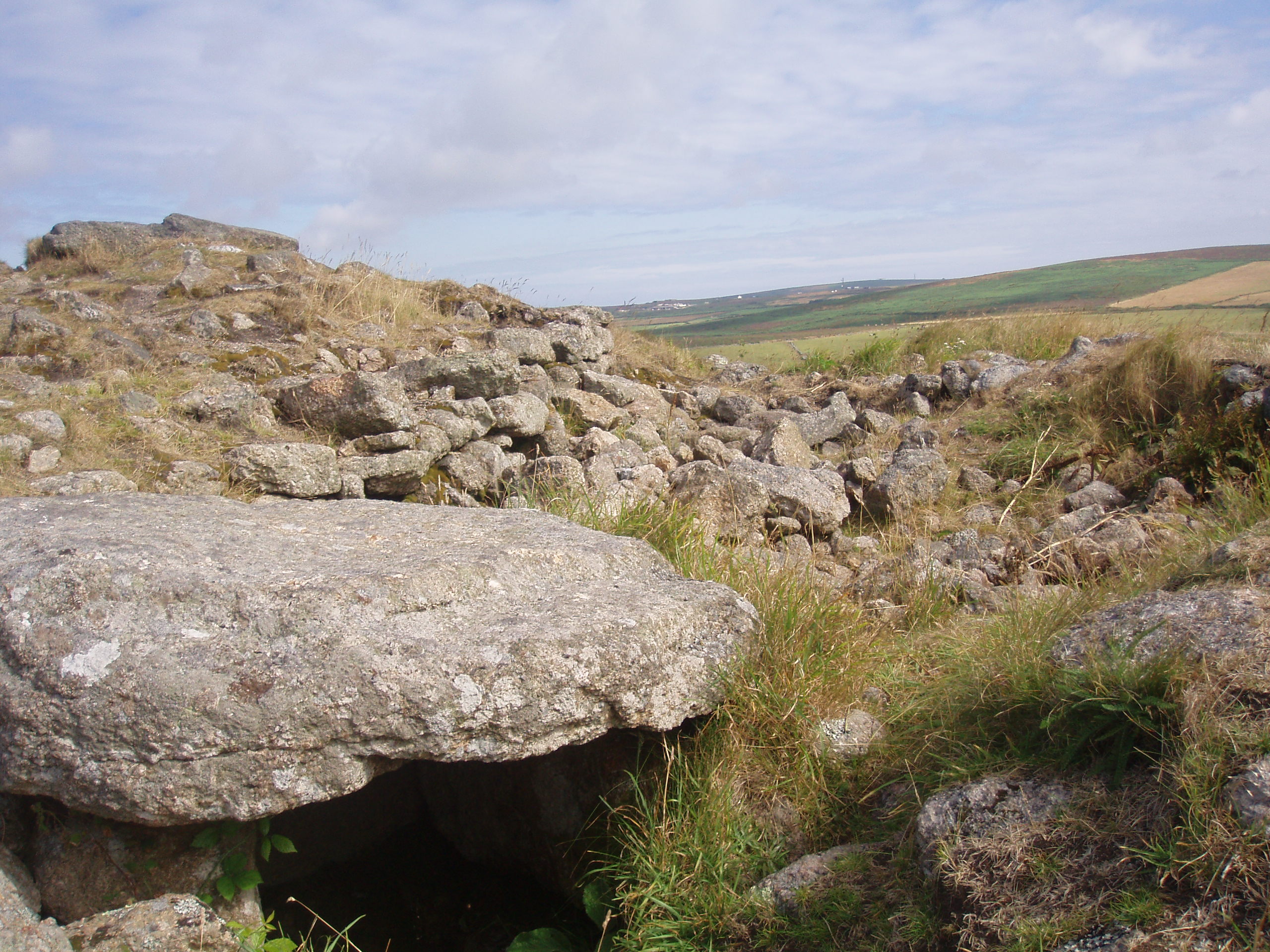
Chapel Carn Brea is mentioned in the song by Harry Glasson, Cornwall my Home; ‘First thing in the morning, on Chapel Carn Brea I gaze at the Scillies in the blue far away.’ This hill is some 650 feet above sea level and provides wonderful views from its summit, including the Isles of Scilly on a clear day. Its interesting history goes back to pre-historical times with a Neolithic chamber tomb on its peak and further remaining seven barrows on its slopes. Its name originates from a chapel which once stood here, whose remains were destroyed in 1816, with the stones removed nothing now remains. Each year as part of the Cornish midsummer celebrations St Just and Pendeen Old Cornwall Society light the beacon on top of Chapel Carn Brea, joining others throughout Cornwall in Tansys Golowan events.
William of Worcester mentioned the church in his 15th century visit. An early medieval church was rebuilt then rededicated by Bishop Grandisson of Exeter in in 1336. Nothing remains of the earlier church and very little of the 14th century rebuilding save the chancel. There were chapels built dedicated to St Helen at Cape Cornwall and St Michael on Chapel Carn Brea during the medieval period. The current church rebuilt in the 15th century is constructed of large granite blocks. It was discovered and later mentioned by architect and author Edmund H Sedding the bonding of these blocks was in an old French style, he believed this the only example in Cornwall.
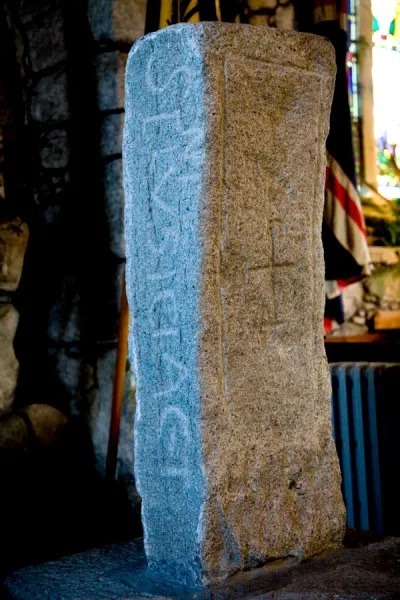
The interior has two heavily restored medieval wall paintings. Also within the church is what is known as the Selus Stone. Dating from the 5th or 6th centuries it is five feet six inches tall bearing the Latin inscription ‘SELUS IC IAC-T.’ This translates as 'here lies Selus' who is also known as St Seleven and St Levan. Discovered built into the church wall it was removed and placed on a base in 1824. A carved 9th century Celtic cross shaft showing traditional interlace patterns is embedded into a wall. The tower contains three bells, two dating from 1499 and a newer one from 1937 when there was extensive renovation to the cast iron frame. The church was restored in 1866 but often considered unsatisfactorily.
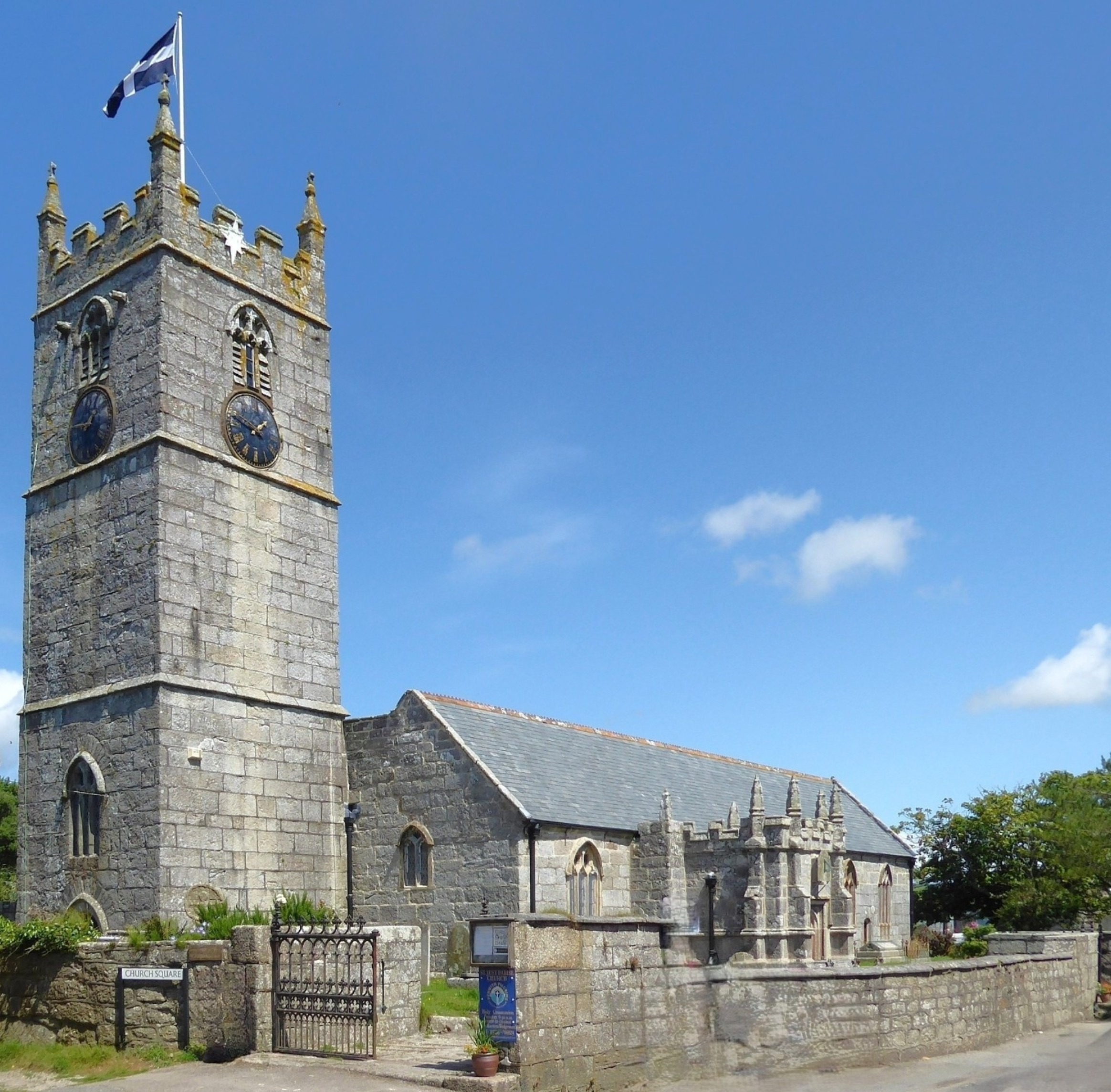
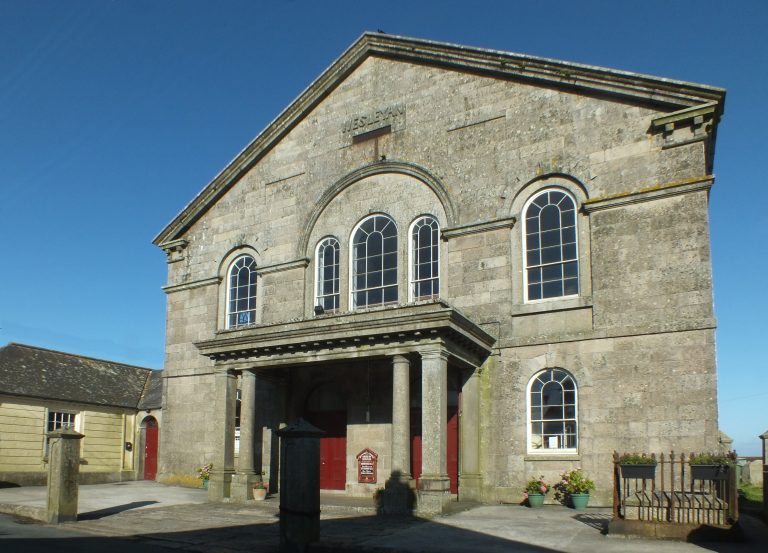
The Grade II listed Miners Chapel has increased in prominence since it was sold and became ‘saved by the community, owned by the community and for the community.’ Built as a Methodist chapel in 1833 for the local miners it was announced it would be sold in March 2024. The community rallied around and by 8th August 2025 it was a community building. Used for a great variety of events it is part of the heart of St Just.
Despite being somewhat out on a limb in the far west of Cornwall there’s no doubt that the parish of St Just has a tremendous amount of interesting places to see and events to enjoy. That they make the most of their Cornish heritage adds to the interest, encouraging foreign and Cornish tourism to the area. It’s an example of how many smaller Cornish communities seem to work together to hold fantastic events. Keslowena Lannust.
Heritage Column
Heritage in the News online links: