Ertach Kernow - Books & journals build a picture of Cornwall
Ertach Kernow articles began their six year run on 1st July 2020 during the pandemic. A telephone call from the then editor of the new Truro Voice asked me if I knew anyone who might write a weekly article for the newspaper. I said I could be interested but would want to write about Cornish heritage generally. ‘Fantastic’ he said but pointed out this would be unpaid, no problem I replied. Something I thought would keep me occupied during the Covid crisis and lockdown has kept my mind whirring around for 313 articles. The smaller heritage column came a few weeks later needing a further 400 words on top of what is now around 1600 words for the main article.
As always click the images for larger view
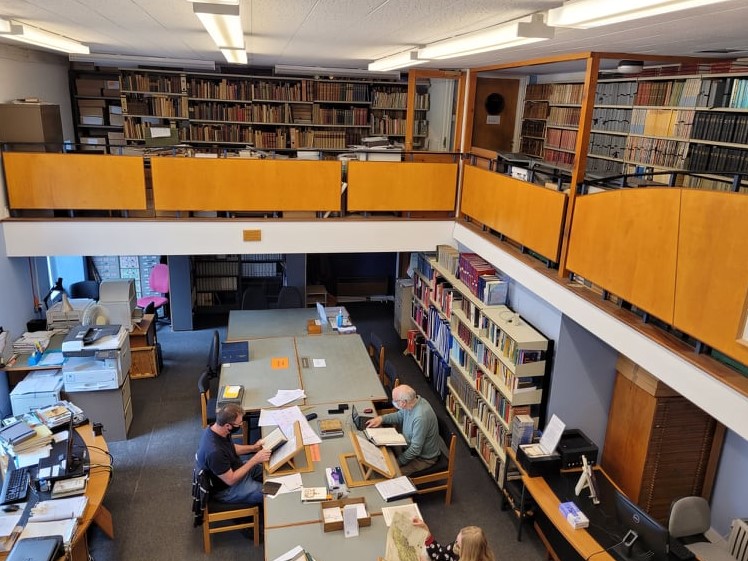
It’s not an easy task to write something new each week, which starts with thoughts of what am I going to put together this week? Covering all aspects of Cornish tangible and intangible heritage, history and environment is a wide remit but also needs to regularly include different topics from all parts of Cornwall and Cornish heritage even the diaspora. This itself is challenging and then there is the research which believe it or not cannot come just from Googling or the internet. There is a fantastic amount of information with many research papers and the like, not necessarily available in print. However there is also a huge amount of information in print not available online, one has to often dig much deeper. This can be expensive, having to join subscription organisations to access information and then there are books and journals to buy. Sadly, my home now represents a working office with books and reading material spread throughout. Then there are the computers, printers, scanners and other digital equipment which allow me to also produce leaflets, booklets, posters and other material for events and YouTube videos.

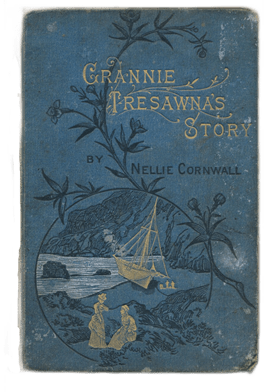
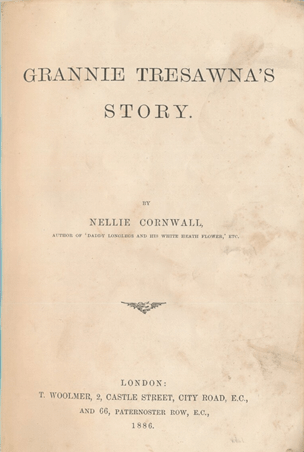
Books are so important and with many thousands just on Cornwall alone. There would be no issue in finding information should a cosmic mass ejection wipe out our satellites and internet access. These are not the ones I term coffee table books, lots of lovely pictures but little real information of which hundreds have been produced in recent times. Many people are kind in sending me books from time to time, one arrived from Switzerland this past week. I haven’t had time to read anything from ‘Granny Tresawna’s Story’ written by Nellie Cornwall and published in 1886 yet but there is always something of interest to glean from most fictional books. Nellie’s real surname was Slogget and she was born in Padstow in 1850, also writing under perhaps a better known pseudonym Enys Tregarthen. Besides fifteen novels, of which nine are based in Cornwall, later in life Nellie collected many stories about Cornish myths and legends.
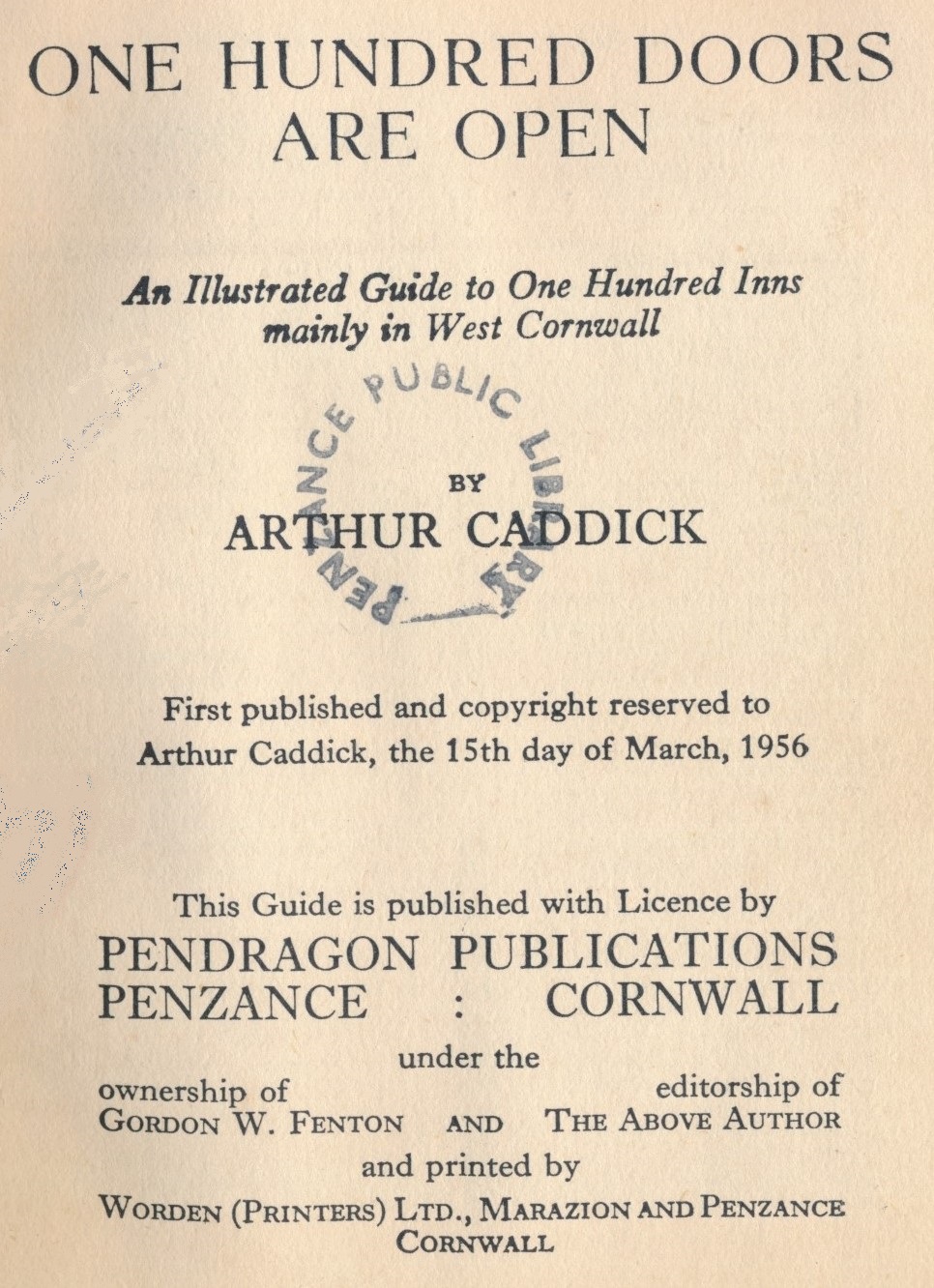
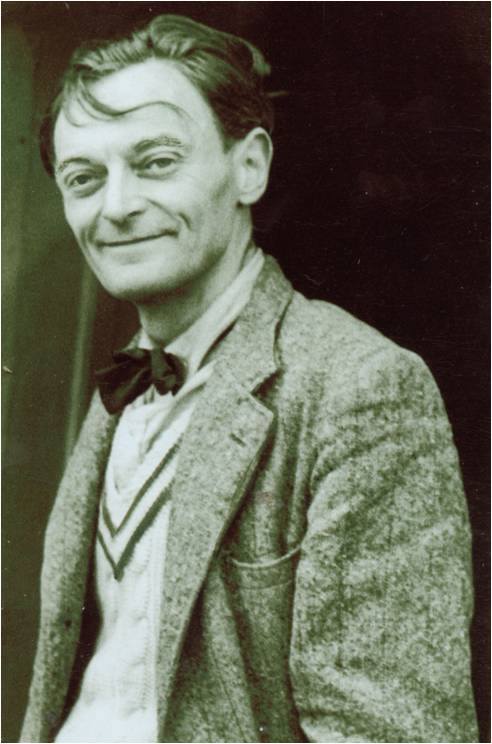
A few years ago I wrote an article ‘fancy a pint?’ about Cornish pubs. This was prompted by discovering a small book by a lesser known Cornish poet and author Arthur Caddick, entitled ‘One Hundred Doors are Open’ published in 1956. This small volume looked at one hundred pubs across mid and west Cornwall, some of these were still open sadly a number have closed since Arthur’s visit. What I did discover, besides about the pubs was something of Arthur himself. A real character, I concluded that yes I would have liked to have shared a pint with Arthur.
Some books just include a part relating to Cornwall. A number of early books were written by authors who had travelled through Cornwall as part of a wider tour of Britain. The amount of information provided varied from short notes by William of Worcester around the 1440’s to more by John Leland in the first half of the 16th century to wonderful maps and descriptive text and drawings by John Norden at the end of that century. These were relating to their occupations but later some would tour Cornwall for fun and interest.
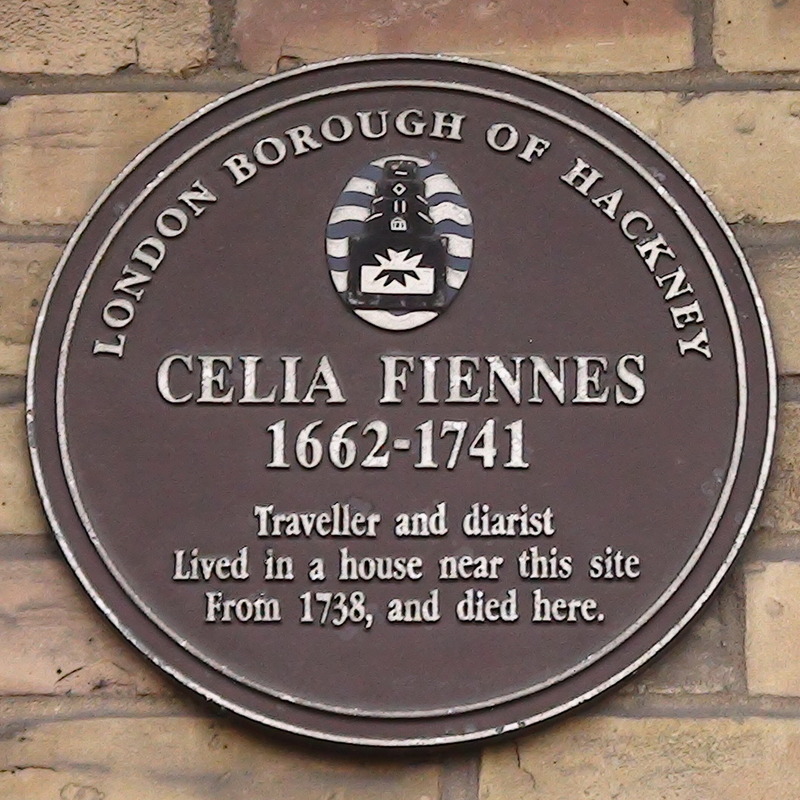
In 1698 Celia Fiennes wrote her diary making notes about her Cornish journey. This and her wider tour was never intended to be published but in 1812 extracts were published with a larger edition in 1888 entitled ’Through England on a Side Saddle.’ A later for academic edition followed in 1947 with ‘The Journeys of Celia Fiennes’ which has been republished many times. This is an important work with a note written by Celia during a visit to St Austell later used to ensure that Cornish clotted cream has regional protection with ‘Protected Designation of Origin’ attribution. Numerous books and writings would continue over coming centuries giving us a valuable insight into periods of Cornish history, its people, buildings and customs. Some from famous people such as Daniel Defoe whose letters contained vast amounts of information and his own views from the early part of the 18th century. This was a few years after Celia Fiennes journey but is interesting in other aspects covering pre-Industrial Revolution Cornwall.
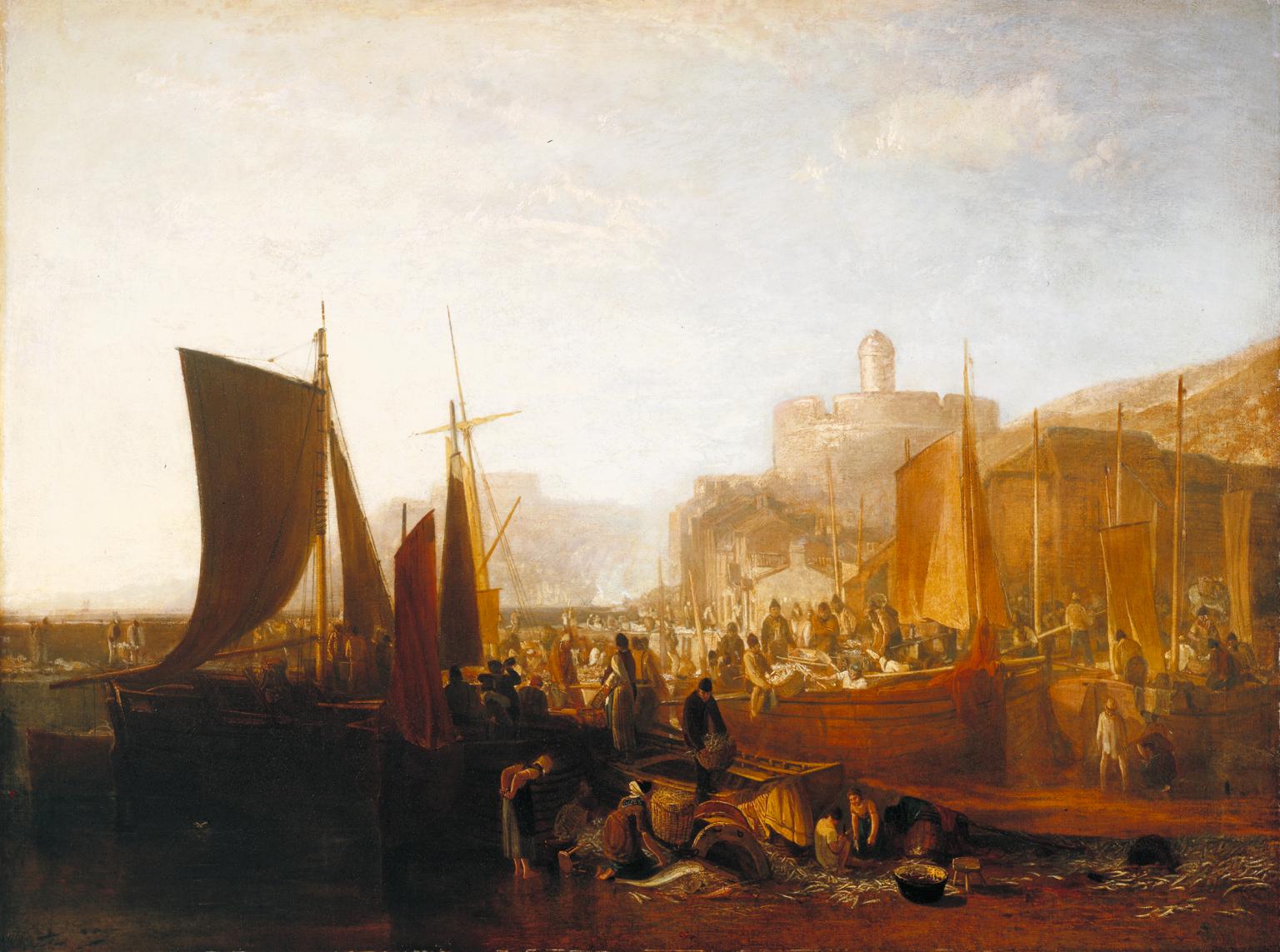
Around the mid-18th Century the Reverend Richard Pocock who was a great traveller toured Cornwall. Once again he informs us of the state of Cornwall, providing interesting descriptions of towns and their people. Moving on the tour of Cornwall by Lewis Hind in 1907/08 shows a Cornwall engaging with the growing tourism industry but still somewhat backward in living conditions and attitudes. Most writers provided very descriptive text, helping paint an image when photography did not exist and earlier drawings were produced as engravings. These offered some idea of what Cornish towns and buildings looked like during the 18th century onwards. One of the most famous travellers was artist J.M.W Turner who created a number of paintings and drawings of Cornish scenes from the early 19th century. The phrase ‘a picture paints a thousand words’ comes to mind when viewing some of Turners works such as ‘St Mawes at the Pilchard Season’ dated 1812. Many others toured Cornwall and wrote about their experiences and views, some well-known and some rather obscure but all adding to the depiction of Cornwall in past centuries

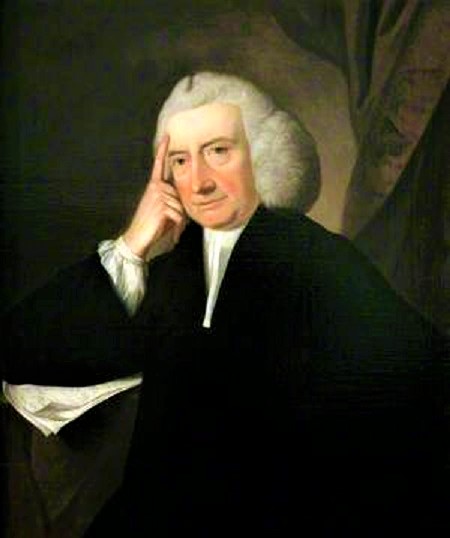
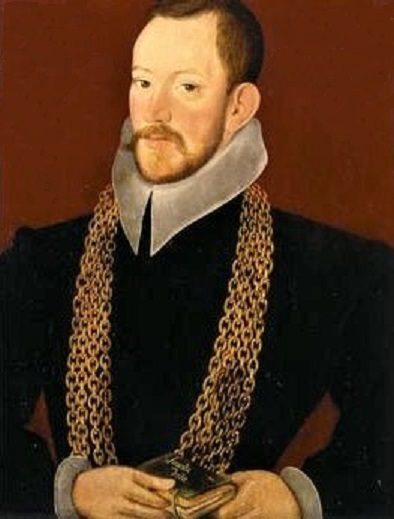
Not from outside Cornwall but one who we might term an internal tourist was the great Cornish antiquarian Dr William Borlase rector of Ludgvan. Travelling around Cornwall his various works are some of the most important from the mid-18th century, covering huge areas of Cornish interest. Today we would recognise some of his assumptions are incorrect as science and improved archaeological discoveries render parts of his work obsolete. However, there are huge amounts still relevant today relating to history and information from that time. Another Cornishman, Richard Carew of Antony would write a seminal work ‘Survey of Cornwall’ published in 1602. This should certainly be included in a list of the most important works written about Cornwall and one used many times in various articles.
Increasing numbers of other antiquarians and writers would also contribute to recording and publishing the history and culture of Cornwall from the late 18th century onwards. Some of these histories were a result of continuing the sharing of tales from an earlier medieval age. The words of Geoffrey of Monmouth in his ‘History of the Kings of Britain,’ what we would term largely fictional, resonated through the ages. Sadly, even today there are some who actually think King Arthur as portrayed in film and television really existed and refer to Tintagel as King Arthur’s castle rather than being built by Richard Earl of Cornwall. These older histories do however, if we exclude the fantasy issues, provide some wonderful descriptive information on places and buildings no longer in existence.
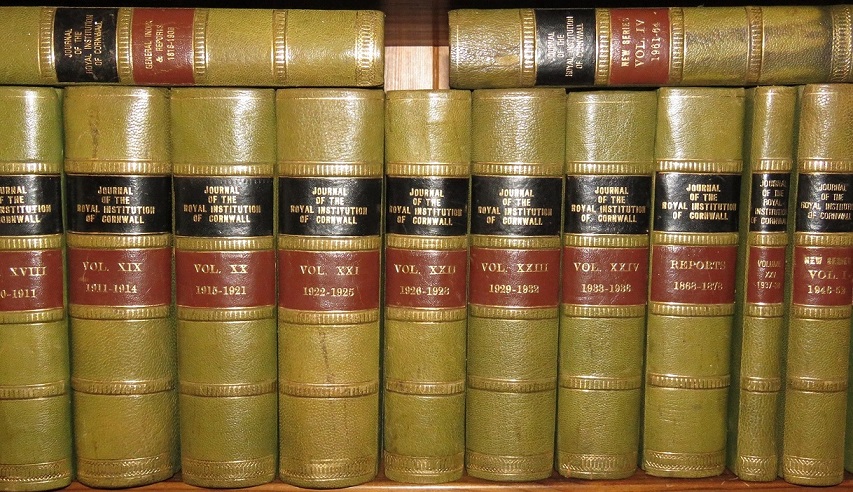
In recent times there are a number of Cornish institutions, organisations and groups, some established in the 19th century, who continue to publish knowledgeable and well researched journals and articles. Maybe not exactly bedtime reading but very important for research information and not necessarily available online. The journals from the Royal Institution of Cornwall, Royal Cornwall Polytechnic Society and Royal Geological Society of Cornwall date from the 19th century. There are also those from 20th century organisations such as the Trevithick Society, Old Cornwall ‘Kernow Goth’, Cornwall Archaeological Society together with their early incarnation as the West Cornwall Field Club. These are just a few of the many organisations continuing research and sharing to their members and the public.
It is such a shame these days so many schools and colleges are reducing their libraries substantially, which includes books on Cornwall its history and culture. More reason to continue sharing a variety of aspects of this in these articles. It’s pleasing to receive emails thanking me and often adding additional information, which is then shared in the online article following publication in this newspaper. Also very encouraging are emails from school and college students asking follow up questions after reading articles used as part of their own research about Cornwall.
It is a battle to improve education about Cornwall across a whole range of media to those who sadly lack the knowledge. There is a failure of many Cornish schools who frequently continue to teach only English history omitting Cornwall from its curriculum, added to lack of books and sadly today enquiring minds often too engrossed in social media. There is also the danger that AI brings to modern books and online content. Has AI created text based on incorrect online information? Has real research been undertaken? It is far too easy to believe much of what is produced today and I regularly check for AI content. Yes, I do check my own work just to prove online AI checkers do confirm absolutely none of it is AI generated.
Heritage Column