Ertach Kernow - Ladock: Ancient families, The return of beavers
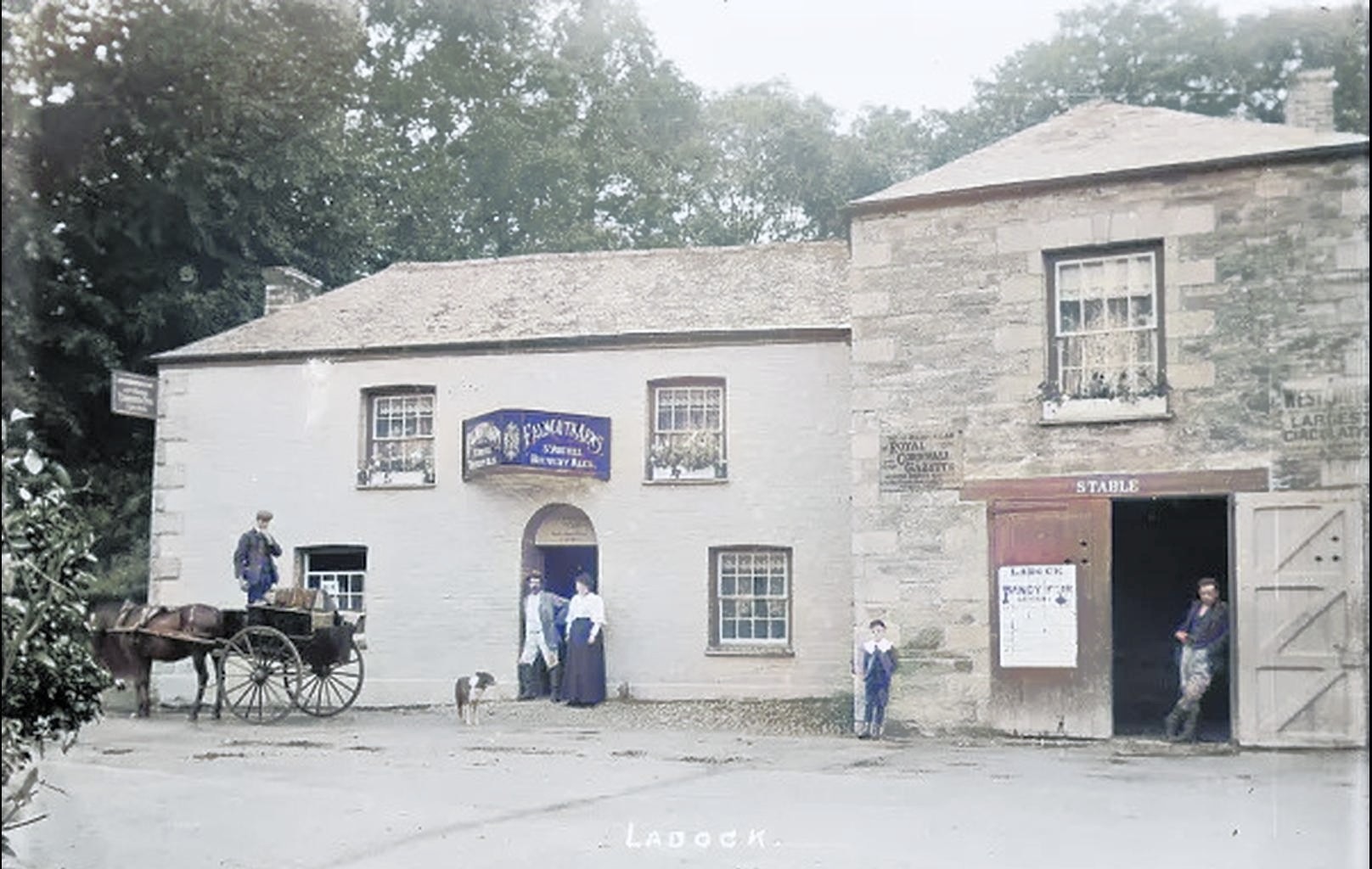
Ladock is one of those Cornish parishes which most people know little or nothing about. This is a low population parish with 1823 persons in the 2021 census and a largely rural community with no major towns. The Tresillian River passes through the churchtown, as does the former toll road now the B3275.
As always click the images for larger view
I confess a historic family connection with one of my seventh great grandfathers moving there from St Newlyn East around 1707 to marry Elizabeth Williams. William Trescowthick, or as probably better known now spelt Trescothick, was the last of his male line, his daughter Mary who married a Roger Trebilcock being my next ancestor. The line of Trescothick’s obviously continued through other male lines otherwise we wouldn’t have had that great British cricket batsman Marcus Trescothick. Although Marcus was not Cornish born his ancestry carried back to the small farm or settlement at Trescowthick in St Newlyn East parish, adjacent to Ladock. Trescowthick, in Kernewek is Treskewyek translating as farmstead/settlement abounding with elder trees and was first mentioned in 1279 as Treskowyok. This small personal example shows how Cornish folk can end up having little known historic family connections across Cornwall.
Parishes and historic information about them aren’t often built on humble families like the Trescowthick’s but on larger families with greater familial ties. These connections usually came about through larger manorial estates being gradually built through advantageous marriages to wealthy heiresses, which later leads to merger of family estates. This of course means that a long standing family name dies out with the inheritors being daughters, as with the case of the aforementioned Trescowthick line.
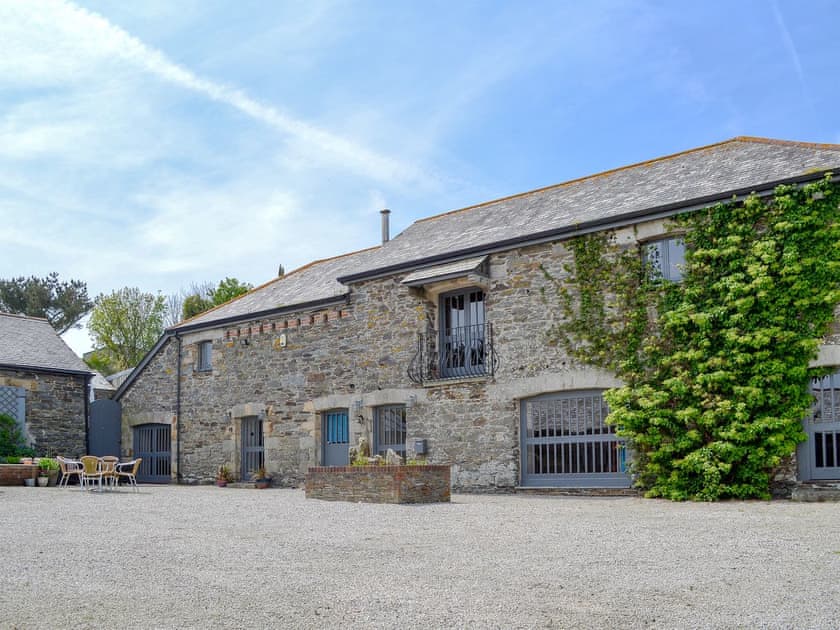
One of the earlier great names relating to Ladock were the Trethurffe family who it’s believed took their name from the settlement at Trethurffe in Ladock parish. In this case the Cornish name is Tredhervyw, another tree related name being farmstead/settlement Living Oaks or perhaps a personal name. Trederveu was first mentioned circa 1200. The earliest of the Trethurffe family are lost to the mysteries of time but by the late 15th century they had become more prominent within the upper echelons of Cornish society. So much so they had managed to marry into some eminent families and gained a good degree of wealth. John Trethurffe married into the Trenowith family a highly respected and powerful Cornish family, his son Reynold married Margaret St Aubyn from an equally high status family. Reynolds son John managed to marry a sister of Edward Courtnay 1st earl of Devon. Perhaps one of the most interesting was John’s son Thomas who died in 1529 leaving an extensive estate and interesting will.
In his will he leaves a huge amount to Alice Christophers, who it is believed was his mistress, for her lifetime. This included several tin workings across mid-Cornwall as well as a half share in seine fishing interests at Towan (Newquay). Thomas’ daughters, co-heiresses to his remaining estate married well. Elizabeth Trethurffe to John Vivian and Margaret Trethurffe who managed to marry well three times. Margaret’s first husband was John from the eminent Boscawen family at Tregothnan, secondly to Edward Courtenay heir of Edward 1st earl of Devon and finally Richard Buller of Shillingham, a family who came to greater prominence during the 19th century. It was her issue through Edward Courtnay that the Trethurffe estate at Ladock came into the possession of the Courtnay family.
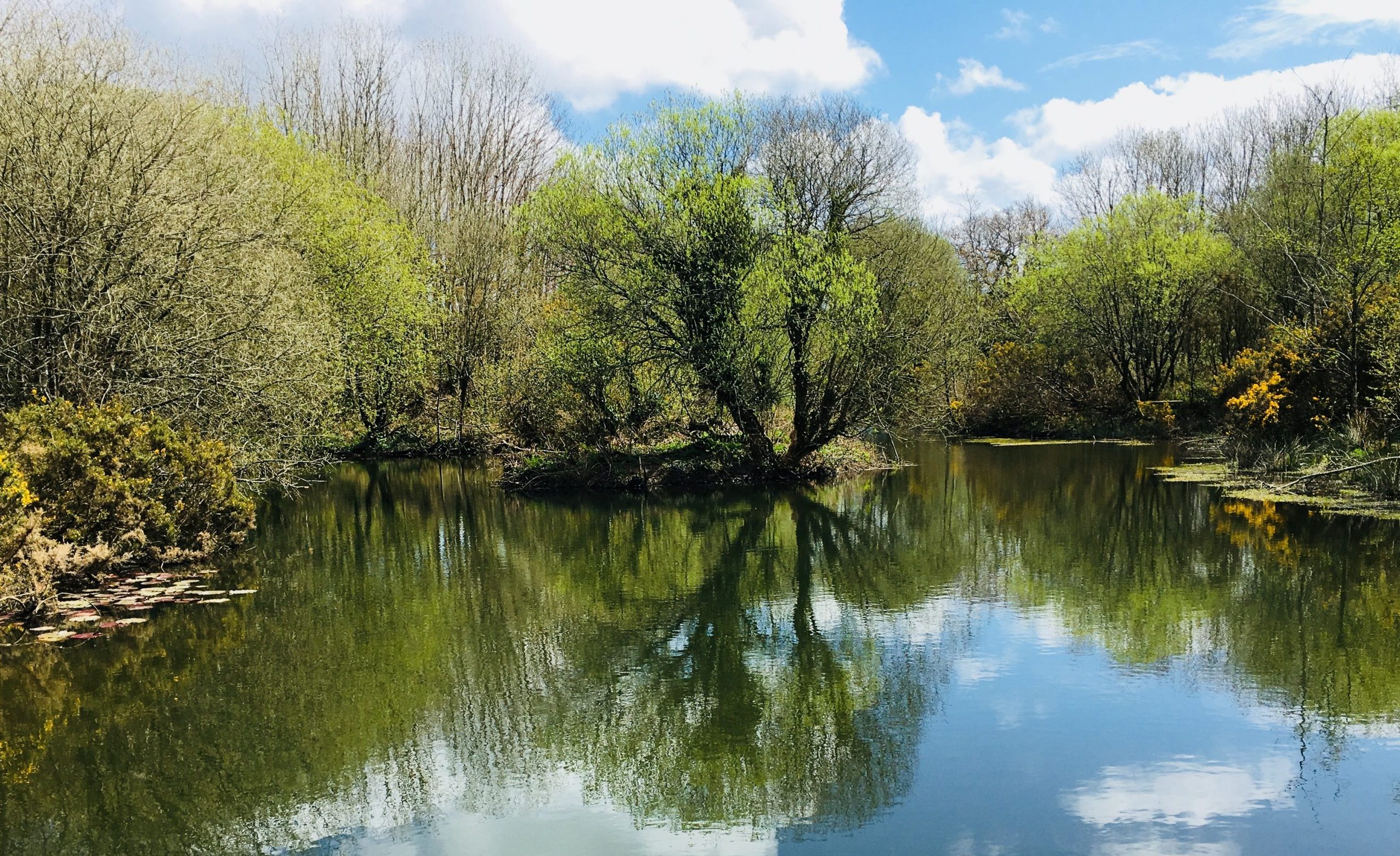
Perhaps in very recent times Ladock has become best known for the reintroduction of beavers to Cornwall. Beavers were last seen in Cornwall some 400 years ago after being hunted to extinction. In 2013 meteorological records showed 2012 had been the second wettest on record. This has since been surpassed as experts then suggested it would. Several towns and villages in Cornwall suffered flooding and that included Ladock on November 24th and December 22nd. Intense heavy rainfall caused part of the issue through fluvial flooding, with surface water moving speedily into the village overcoming drainage systems. This led in 2017 to local farmer Chris Jones, supported by Cornwall Wildlife Trust, introducing beavers to Woodland Valley Farm in an attempt to slow down the flow of water from the Nankilly stream. Water monitoring equipment shows that water now takes over an hour to pass through this wetlands area, which used to take just fifteen minutes. This allows the drainage systems to better cope with a heavy flash storm dumping an excess of rainfall on surrounding lands, which might already be saturated. The governments flood mapping shows the strategic position of Woodland Valley Farm and the potential to slow an increase in surging water levels.
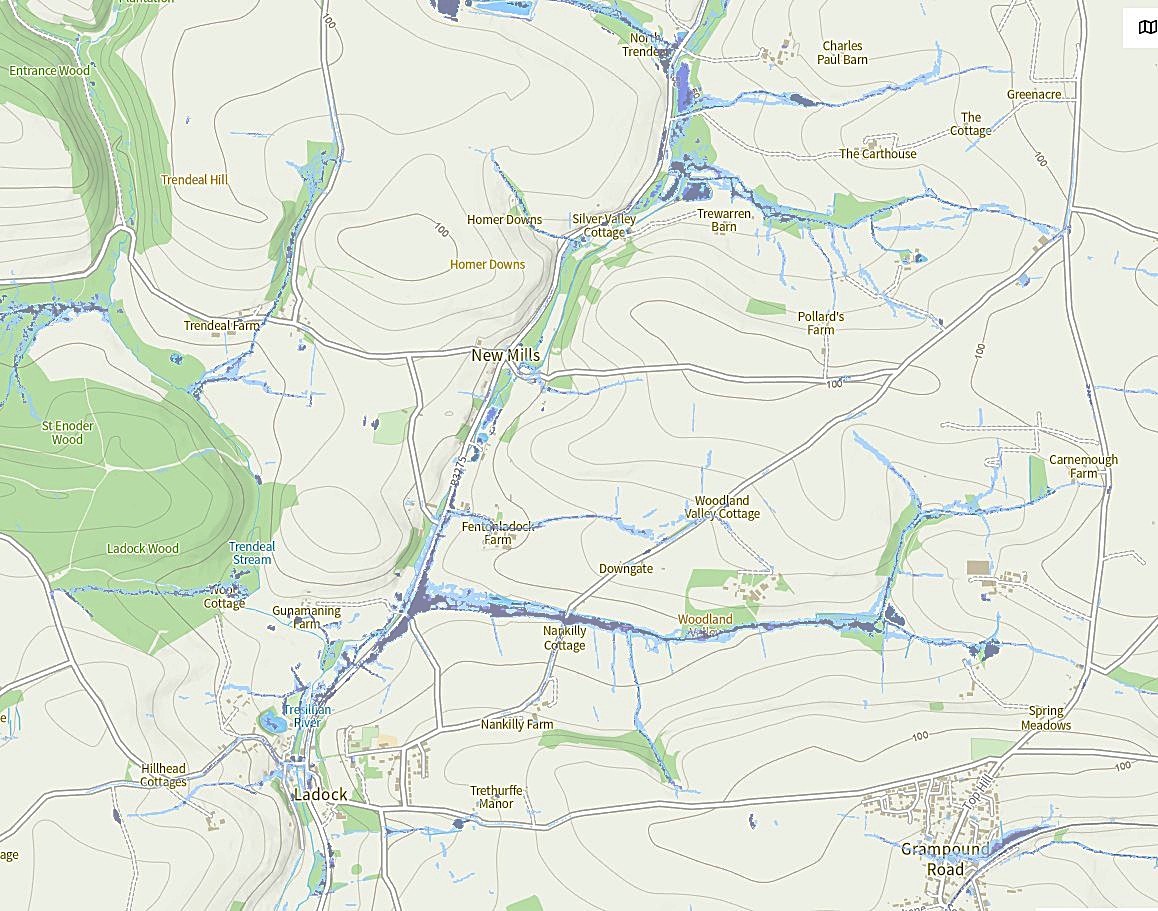
The two original beaver pair together with their offspring born at the site have built a total of eight dams. Not only have the beavers assisted with helping prevent a potential flooding issue in Ladock village but also created a wonderful ecosystem. There has been great interest in this project from some fifty farmers who have visited the site. Today with climate change causing drought conditions, arable farmers who need water for crops are being encouraged to engage with a number of government led initiatives. This includes creating their own or shared farm reservoirs. At Woodland Valley Farm Chris Jones has his own natural reservoir by using the beaver created lakes to irrigate his pastures. Cattle help maintain the five acre beaver enclosure with occasional grazing.
The number of new species of birds, mammals and insects has grown since the beavers began their work. Eight new bird species, along with four new mammals have been noted. In total eleven species of bats and eleven dragonfly species have been recorded. The wet conditions have also been very conducive to the number of frogs and toads living there. Several thousand people including students from over 100 schools have visited and there are a number of scientific visits from various universities as well as volunteers from many wildlife organisations. Woodland Valley Farm has also featured on many television programmes, establishing its beaver programme as a forerunner for evolving flood control and creation of new wildlife ecosystems.
Apart from the benefits of flood prevention and creation of a wonderful new habitat, the reintroduction of beavers has also established Ladock as a micro tourist and educational destination. The parish of Ladock may not have many visible historic sites but it does have some Bronze Age barrows with additional discovery of below ground burial kists. These were likely formerly covered in a mound, but later the barrows have been broken up by farmers leaving the kists undisturbed until uncovered later.

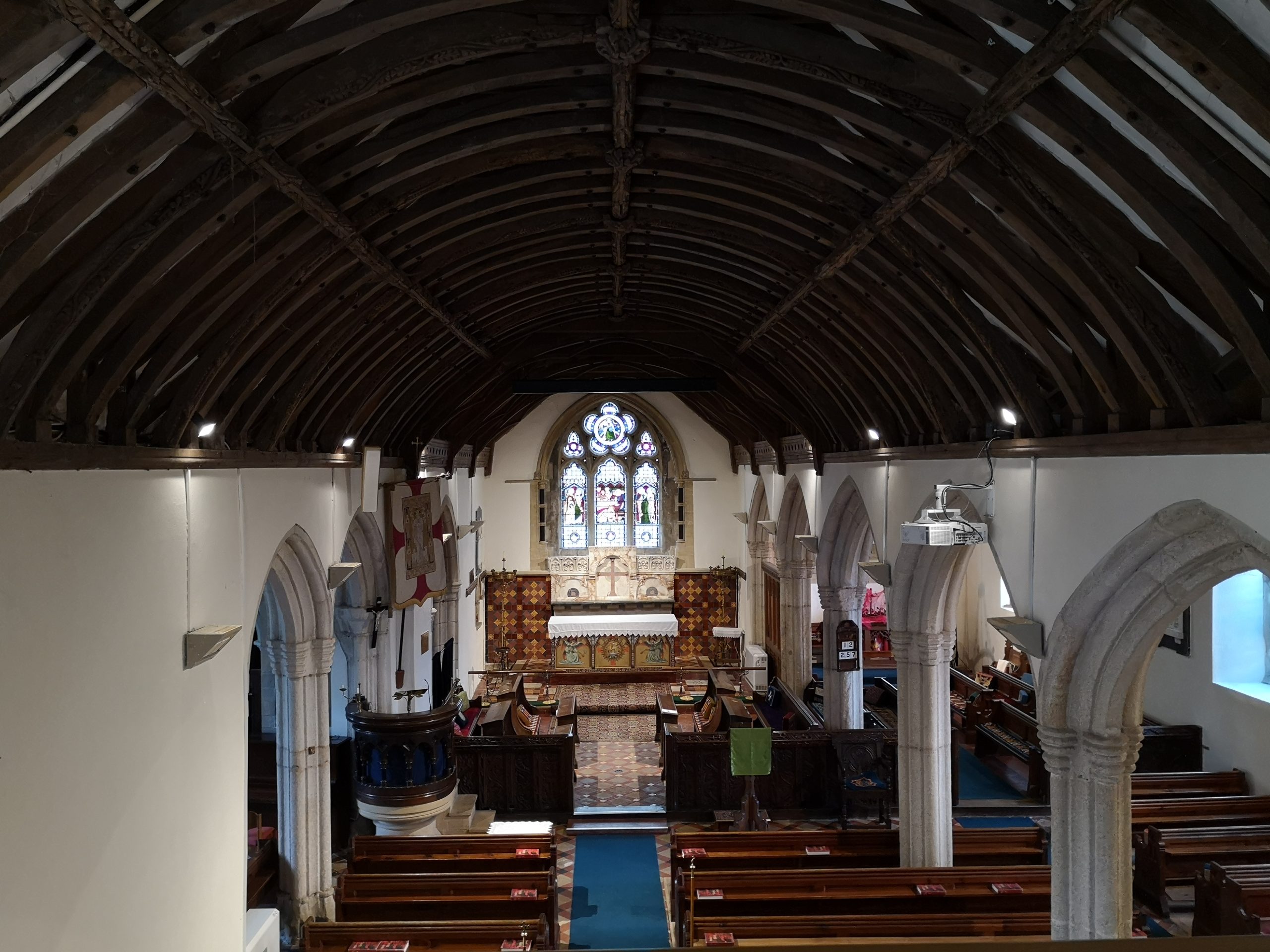
One cannot write about a Cornish parish without mentioning its church. It is recorded that St Ladoca was consecrated by Bishop Bransgrove in 1268. In the 15th century the church was rebuilt with the addition of the three stage and four pinnacle tower, south aisle and porch. In 1864 the church was, in the words of historian Charles Henderson, over restored by G E Street and this was echoed later by Poet Lauriette Sir John Betjimen. However, by the mid-19th century the church was falling into dereliction when the rector Canon Wise commissioned the restoration, paying for the work himself. The church has an attractive interior with some lovely 19th century stained glass windows. Today the church is in a well maintained state and had the roof covering entirely renewed during the 1990s. Interestingly the historic Trethurffe family are remembered in the naming of the churches Trethurffe Aisle. The Cornwall Historic Churches Trust comment that ‘it is a fine example of a Cornish parish church.’
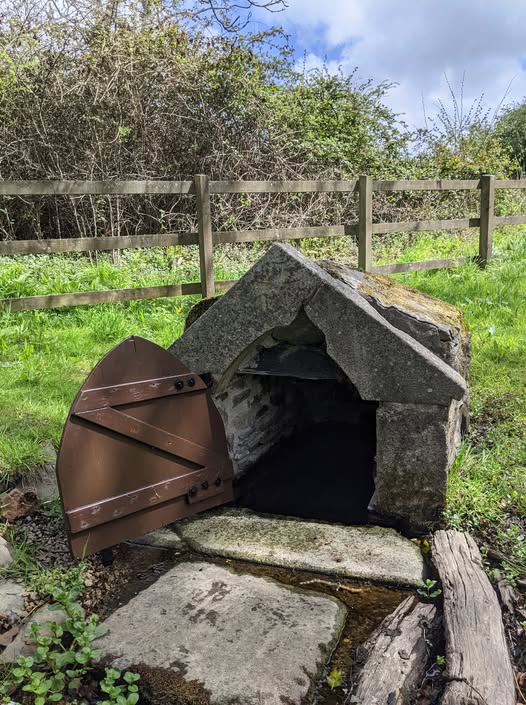
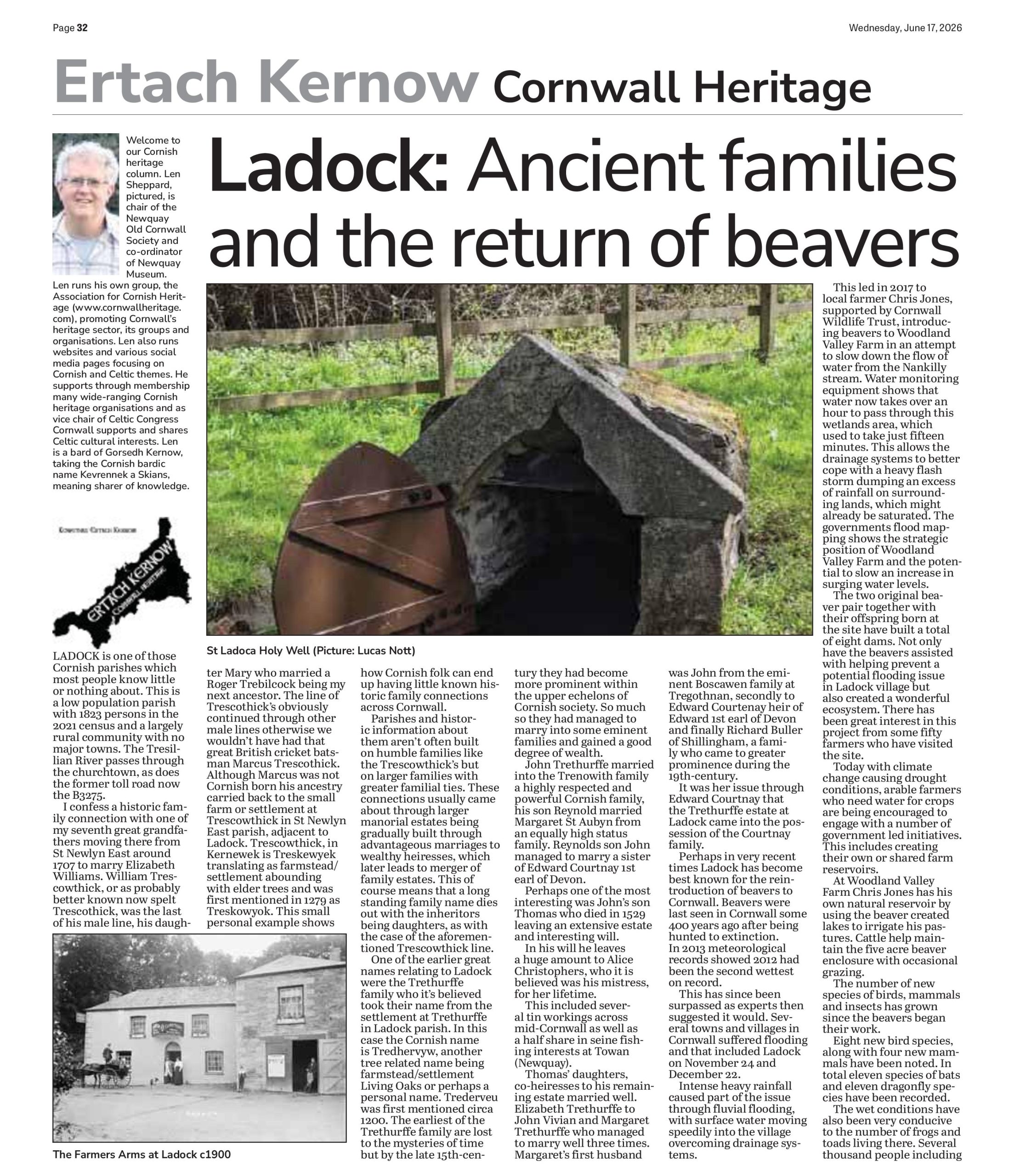
There is a delightful holy well dedicated to St Ladoca about a five minute walk from the church. The well was restored in 2011 by St Ladoca Old Cornwall Society. Although originally built in the 19th century it appears to have been constructed from arches made during the 15th century. Whether these were formerly part of the church and removed during the 1864 restoration or an early medieval chapel which used to exist nearby is unknown. Visitors have commented on the clear water within the well, which is said to never run dry. The well building was Grade II listed in 1984.
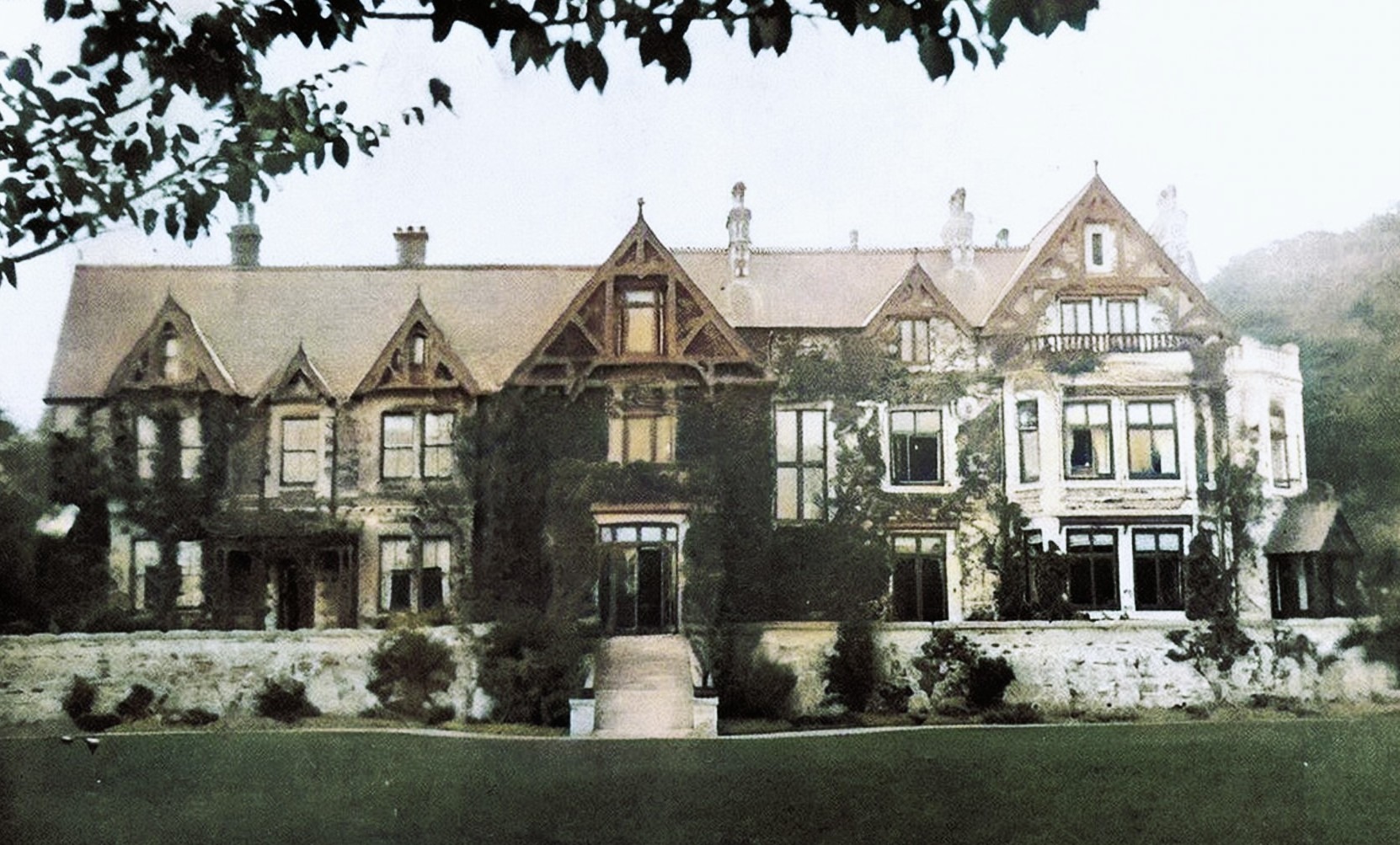
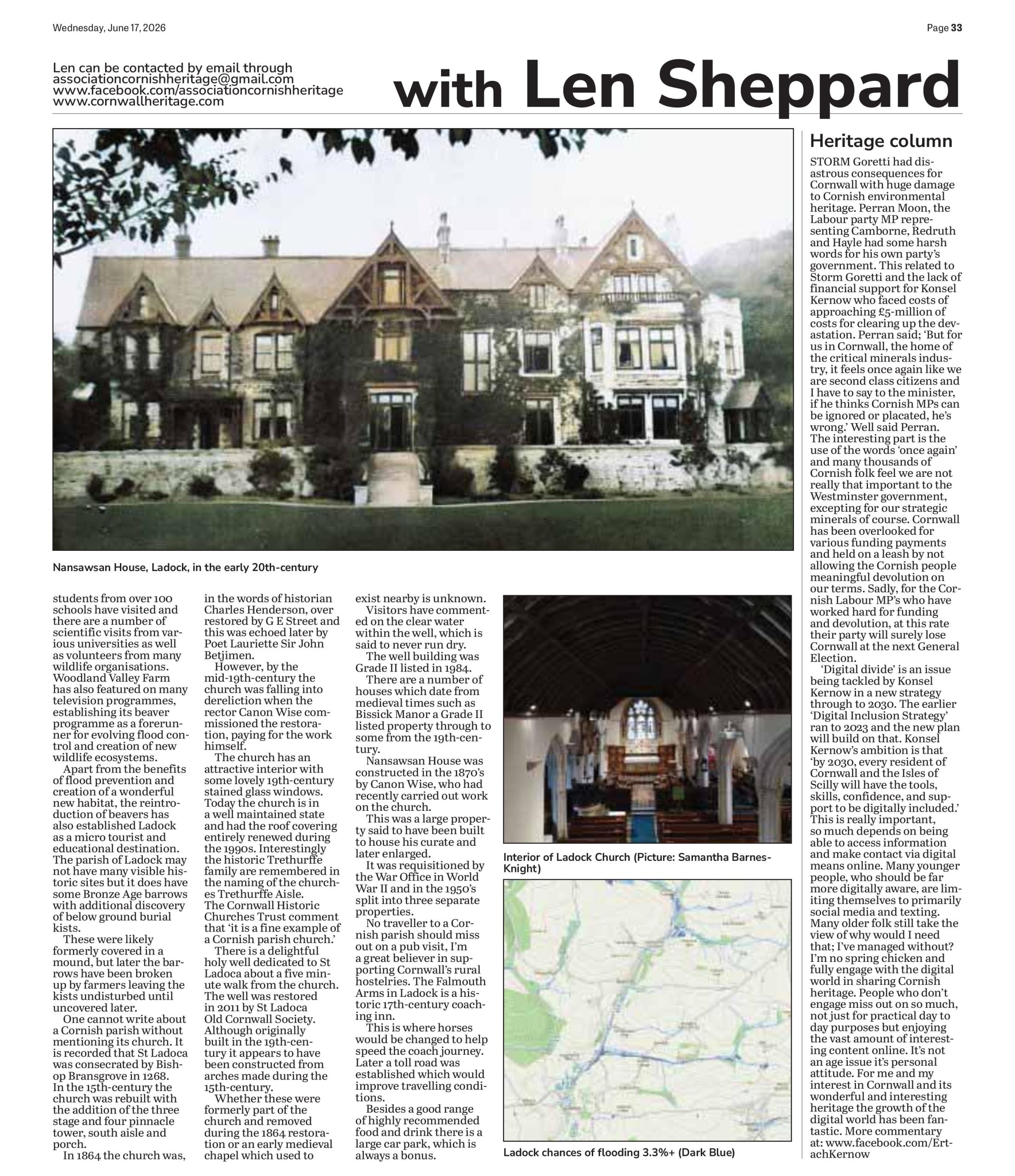
There are a number of houses which date from medieval times such as Bissick Manor a Grade II listed property through to some from the 19th century. Nansawsan House was constructed in the 1870’s by Canon Wise, who had recently carried out work on the church. This was a large property said to have been built to house his curate and later enlarged. It was requisitioned by the War Office in World War II and in the 1950’s split into three separate properties.
No traveller to a Cornish parish should miss out on a pub visit, I’m a great believer in supporting Cornwall’s rural hostelries. The Falmouth Arms in Ladock is a historic 17th century coaching inn. This is where horses would be changed to help speed the coach journey. Later a toll road was established which would improve travelling conditions. Besides a good range of highly recommended food and drink there is a large car park, which is always a bonus.
Heritage Column