Ertach Kernow - Easter and the early Cornish Celtic church
A Cornish Easter is very different from what it would have been many centuries ago with the early Cornish church being Celtic in its religious traditions. Throughout Britain there were two main Christian faith groupings with Easter celebrated at different times based on the method of calculating the date. Even today the date of Easter varies, in the western church calendar it can be as early as 22nd March and late as 25th April. This follows the Gregorian calendar whilst eastern Orthodox Christian churches follow the historic Julian calendar. A lag of thirteen days can lead to Easter in the Orthodox church being between one to five weeks later. In 325 CE The Council of Nicaea established the basis still governing Easter today, with it falling on the first Sunday after the first full moon on or after 21st March. To complicate matters this is based on tables not necessarily the astronomical view of the moon and other calculations.
As always click the images for larger view
The Celtic and Roman churches differed regarding the dates for Easter and this was at the forefront of the battle for influence and identity. Overtime it was the Roman church that won this battle only to be nearly swept away when Henry VIII broke with Rome in the 16th century. However, many of those earlier Roman traditions continue, including the period set for Easter.
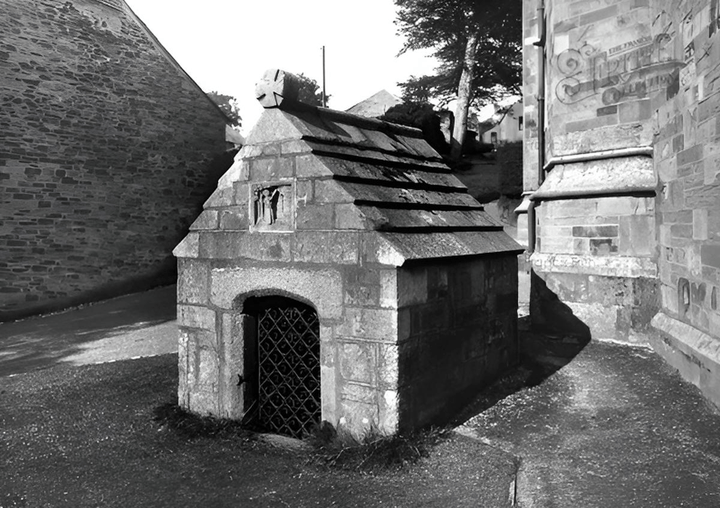
Religion in Cornwall during the early first millennium was what we now term pagan with the population worshipping a variety of deities. Celtic Paganism was European wide with regional variations as to which deities were worshipped and by differing names. This rich pantheon of deities revolved around sacred sites, nature and the environment. There were sacred groves, rivers, and springs and many of these smaller water outfalls would in turn be taken over by later Celtic Christian saints to become known as our holy wells. Celtic Paganism was overseen by their priests who we refer to as druids. Their role in the religion was fomenting the doctrine of transmigration of souls and sharing the nature and power of the gods. Transmigration of souls related to the rebirth of people after death into the body of a newborn human or even an animal. This belief has and does still form part of other non-Christian religions today.
There are no written records and information can only be gleaned from archaeology and the ancient writings of Greek and Roman historians. These are very likely to be bias against the indigenous Celtic peoples, the ancient Britons, who inhabited the island of Britain at the time of the Roman invasion.
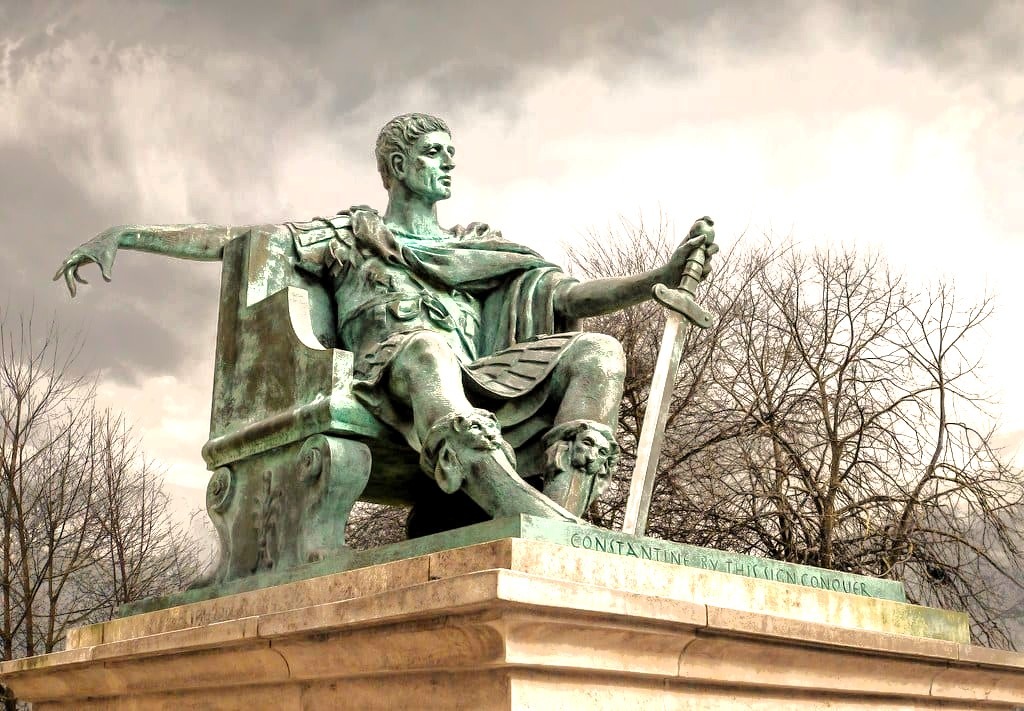
The conversion of the Emperor Constantine to Christianity from 312 CE led to religious changes which would have huge consequences affecting the following centuries through to today. This included the Council of Nicaea establishing Easter and where they also agreed what would be in the bible and what wouldn’t. Britain began to be Christianised, but as would be expected many people hung onto their old beliefs, very likely in a backwater like Cornwall.
Within Britain the demise of the Celtic Christian church began with the dilemma facing King Oswiu of Northumbria. Not perhaps someone recognised today but actually of some importance in the development of Britain and the church. A powerful ruler of a large kingdom through the unification of two smaller nations his views were widely acknowledged. Oswiu’s actions would have a long term effect on people in faraway Cornwall. Eanflæd his wife practiced the Roman form of the Christian church, which included their calculation for the date of Easter, with Oswiu following the teachings and rules accepted by the Celtic Christian church. This meant around Easter there were within his household two sets of dates to follow for celebration and of course abstinence. Whilst there are arguments that Oswiu was a pragmatic man who saw the political benefits of uniting the two branches of the Christian church and increasing his personal power there may have been other reasons.
The church laid down numerous rules and a great many related to sex. Oh dear, who’d thought that sex might have affected historic Cornish cultural history. The rules relating to abstinence during the period of Lent were far stricter than later in the medieval period. There was a raft of many rules often laid down in a penitential, a book or set of church rules used by priests. It’s been suggested that King Oswiu of Northumbria may have been swayed to please Eanflæd and reduce the period he would need to suffer certain abstinences.
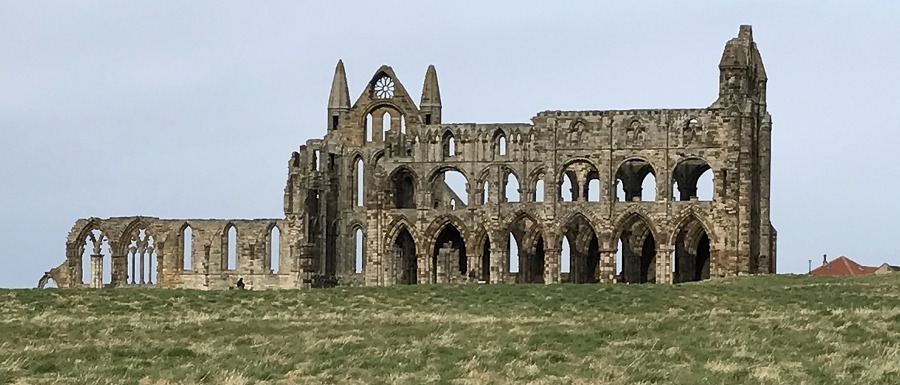
In 664 CE King Oswiu hosted the ‘Synod of Whitby’ at the monastery of Streonshalh later known as Whitby Abbey. It was here following debate the Roman church took precedence, absorbing the Celtic church and setting their date calculations for Easter. Also the Roman form of tonsure, a shaved patch in the middle of the head, was confirmed over the Celtic form of shaving the head from ear to ear. This practice existed, although declining, until abolished by Pope Paul VI in 1972. Cornwall’s Celtic church survived in a gradually diminishing form until the ninth century and ultimately ending in the tenth with the supremacy of King Æthelstan king of the English. In 936 CE Æthelstan set Cornwall’s border at the eastern bank of the River Tamar and had already created a Cornish See based at St Germans. The transformation from Celtic to Roman church in Cornwall was complete.
Cornwall is known as the land of saints mainly due to the number of towns and villages with a saint prefix. These number around seventy, with probably a good deal more hamlets, sites and holy wells that could be added to that count. The ‘Age of Saints’ during the 5th and 6th centuries saw Christianity being re-established in Britain. The Anglo-Saxon invasions had gradually pushed Celtic cultural beliefs back to the borders of Wales and Cornwall. It was within these areas that Christianly began to flourish with numerous men, many later known as saints, working within communities, often usurping existing pagan sites such as holy wells.
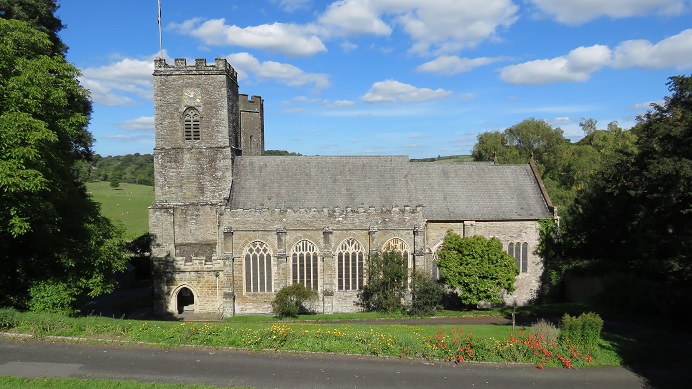
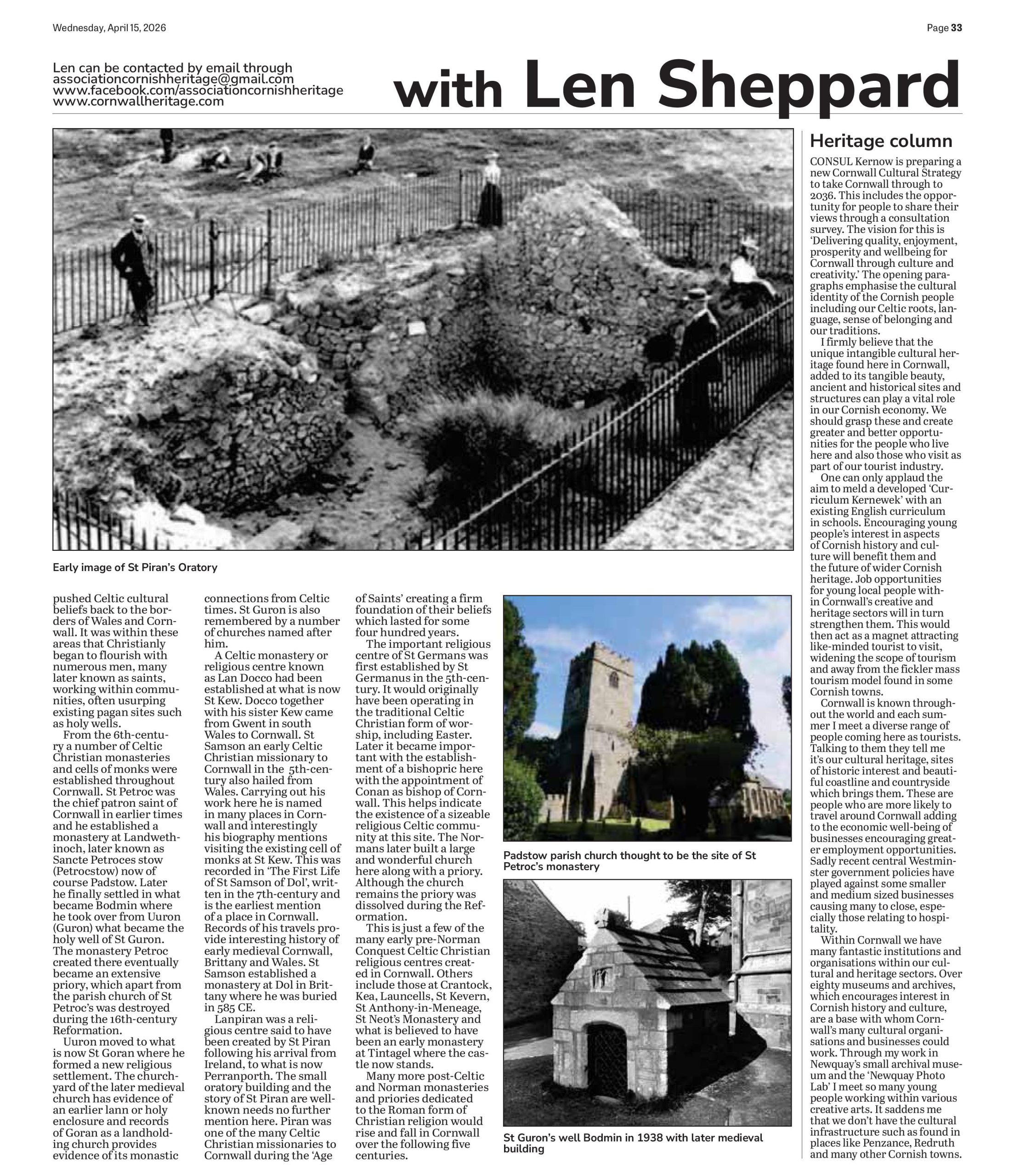
From the 6th century a number of Celtic Christian monasteries and cells of monks were established throughout Cornwall. St Petroc was the chief patron saint of Cornwall in earlier times and he established a monastery at Landwethinoch, later known as Sancte Petroces stow (Petrocstow) now of course Padstow. Later he finally settled in what became Bodmin where he took over from Uuron (Guron) what became the holy well of St Guron. The monastery Petroc created there eventually became an extensive priory, which apart from the parish church of St Petroc’s was destroyed during the 16th century Reformation.
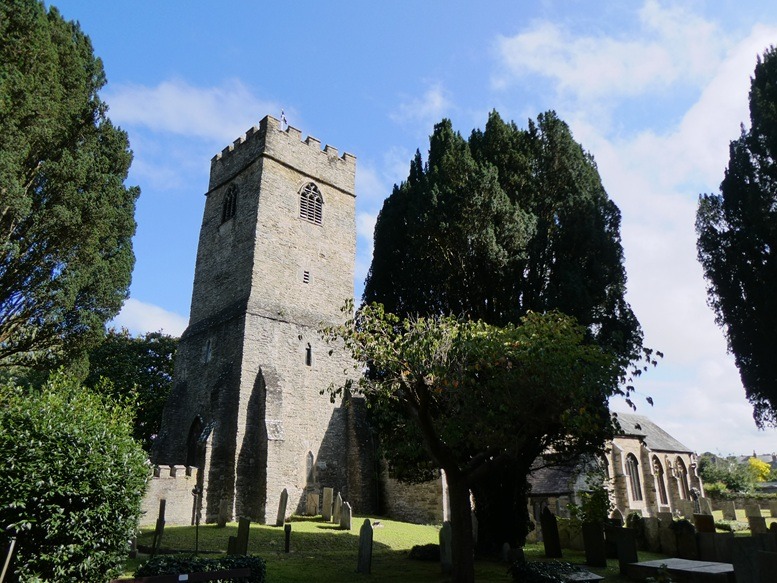
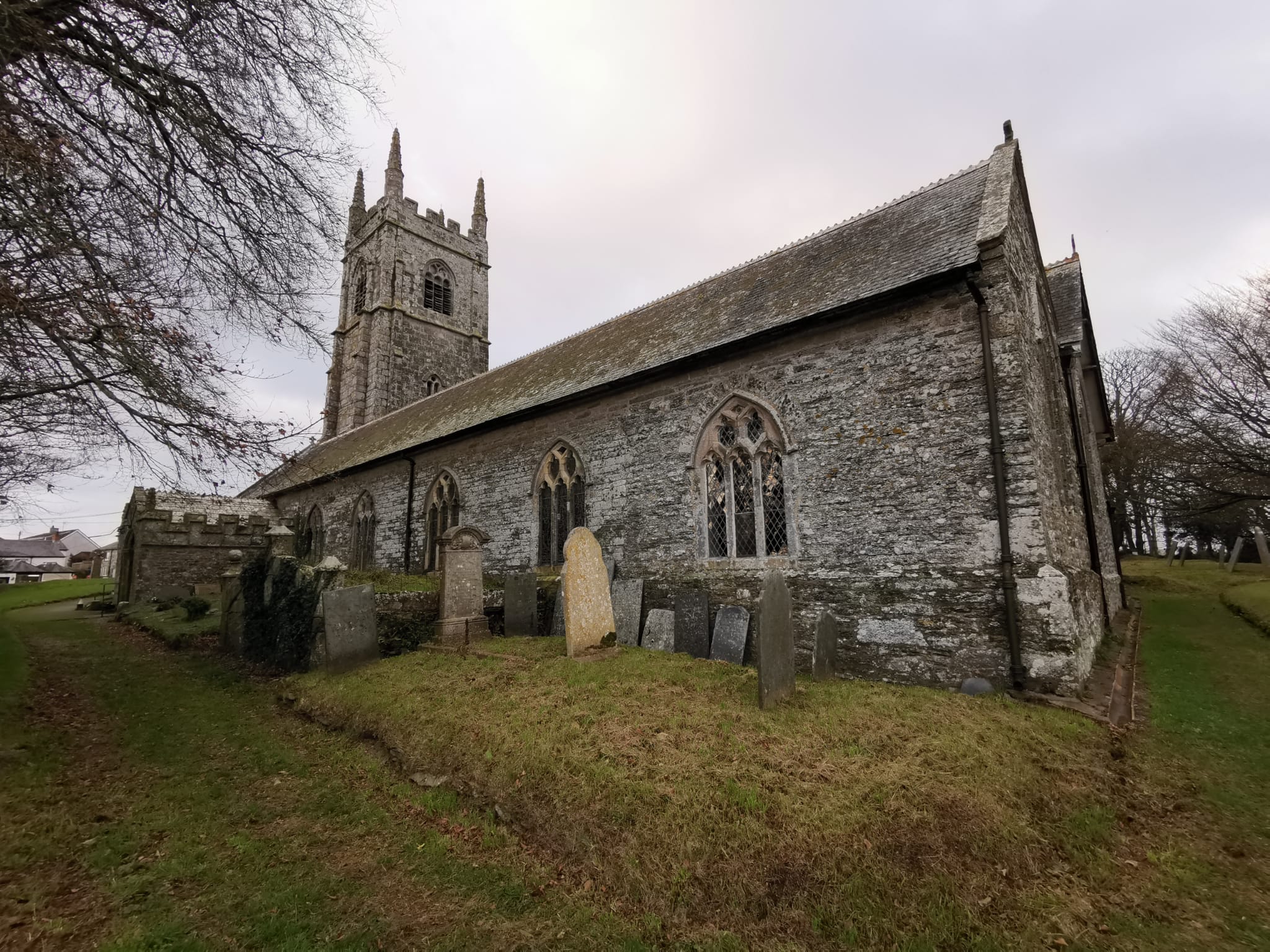
Uuron moved to what is now St Goran where he formed a new religious settlement. The churchyard of the later medieval church has evidence of an earlier lann or holy enclosure and records of Goran as a landholding church provides evidence of its monastic connections from Celtic times. St Guron is also remembered by a number of churches named after him.
A Celtic monastery or religious centre known as Lan Docco had been established at what is now St Kew. Docco together with his sister Kew came from Gwent in south Wales to Cornwall. St Samson an early Celtic Christian missionary to Cornwall in the 5th century also hailed from Wales. Carrying out his work here he is named in many places in Cornwall and interestingly his biography mentions visiting the existing cell of monks at St Kew. This was recorded in ‘The First Life of St Samson of Dol’, written in the 7th century and is the earliest mention of a place in Cornwall. Records of his travels provide interesting history of early medieval Cornwall, Brittany and Wales. St Samson established a monastery at Dol in Brittany where he was buried in 585 CE.
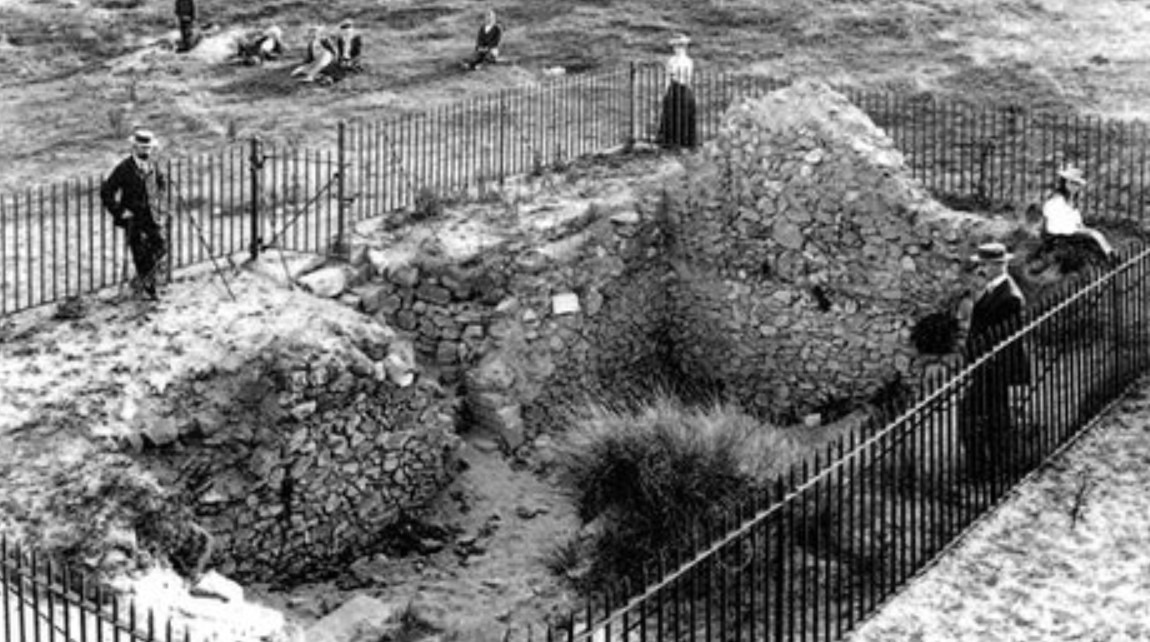
Lanpiran was a religious centre said to have been created by St Piran following his arrival from Ireland, to what is now Perranporth. The small oratory building and the story of St Piran are well-known needs no further mention here. Piran was one of the many Celtic Christian missionaries to Cornwall during the ‘Age of Saints’ creating a firm foundation of their beliefs which lasted for some four hundred years.
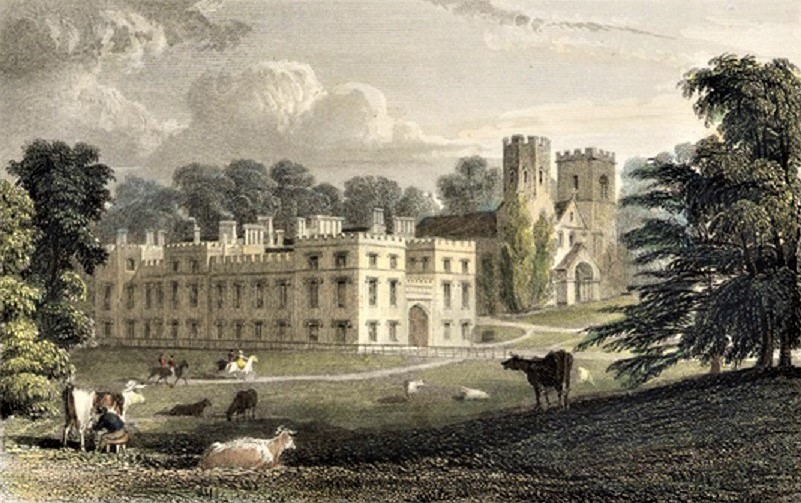
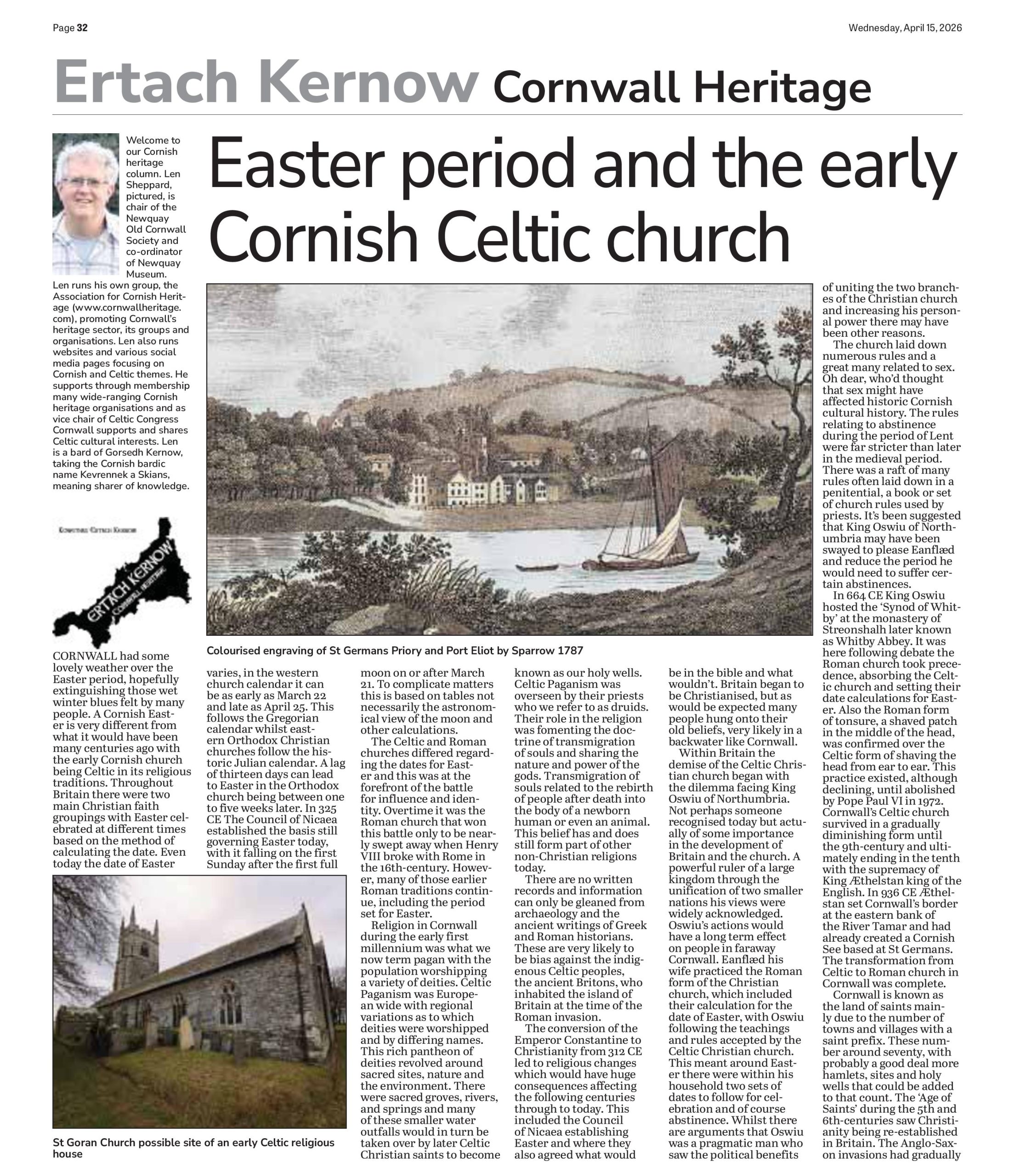
The important religious centre of St Germans was first established by St Germanus in the 5th century. It would originally have been operating in the traditional Celtic Christian form of worship, including Easter. Later it became important with the establishment of a bishopric here with the appointment of Conan as bishop of Cornwall. This helps indicate the existence of a sizeable religious Celtic community at this site. The Normans later built a large and wonderful church here along with a priory. Although the church remains the priory was dissolved during the Reformation.
This is just a few of the many early pre-Norman Conquest Celtic Christian religious centres created in Cornwall. Others include those at Crantock, Kea, Launcells, St Kevern, St Anthony-in-Meneage, St Neot's Monastery and what is believed to have been an early monastery at Tintagel where the castle now stands.
Many more post-Celtic and Norman monasteries and priories dedicated to the Roman form of Christian religion would rise and fall in Cornwall over the following five centuries.
Heritage Column