Ertach Kernow - Cornish tree devastation a bright future underway
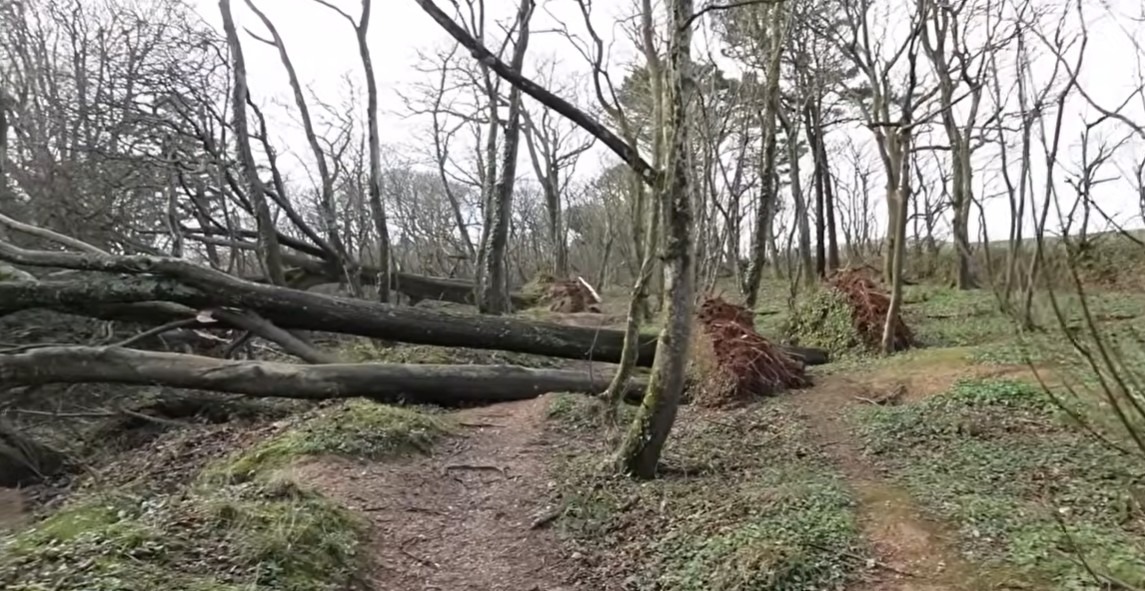
The Cornish natural environment is an important part of our tangible heritage. Cornwall was already suffering from lack of trees when the recent storm Goretti, struck. Thousands of trees were destroyed and Cornish gardens devastated. Replacement trees cannot restore these gardens quickly as most of those trees lost were mature and many in their prime. The winds came from a northly direction not from the direction of the usual prevailing wind and reached speeds of up to 120 miles per hour. St Michael’s Mount is reported to have lost about eighty percent, some one hundred trees, on the northern side of the island. Many of these were about one hundred years old and it will take considerable time for substantial tree cover to regain its place on the island.
As always click the images for larger view
Trewithen is another garden to have suffered. The house and gardens were rebuilt and laid out in the 18th century by the Hawkens family. Sir Christopher Hawkins was a supporter of Richard Trevithick who tested his steam-powered threshing machine at Trewithen. A Hawkens descendent Michael Galsworthy planted 30,000 trees which helped replace the many trees lost on 25th and 26th January 1990 during Cyclone Daria, also known as the Burns' Day Storm. This saw wind speeds of 107 miles per hour recorded at Gwennap Head, the highest gusts in the UK. Storm Goretti saw more than a hundred trees, some quite ancient at around 250 years old, lost at Trewithen. Amongst the first to fall were a number of pine and fir trees planted as wind breaks in past centuries.

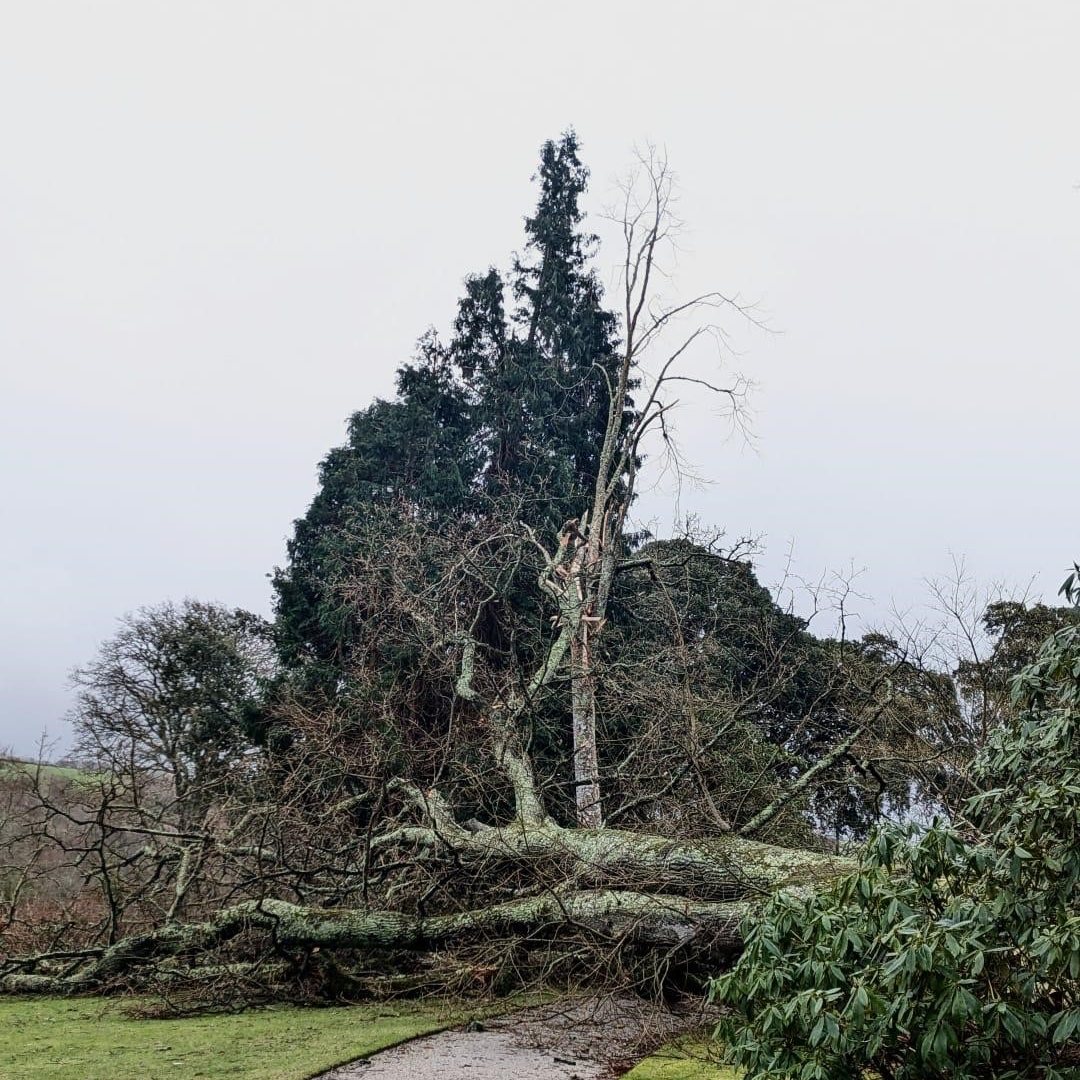
National Trust gardens at Godolphin and Trelissick were also hit badly. Areas within Trelissick gardens are now closed until it is safe to access them. Neil Stevenson, the head ranger at Trelissick, estimates that up to eighty trees including some large ones planted around 1840 were downed. Species such as beech are fairly shallow rooted and are therefore susceptible to extraordinarily strong winds.
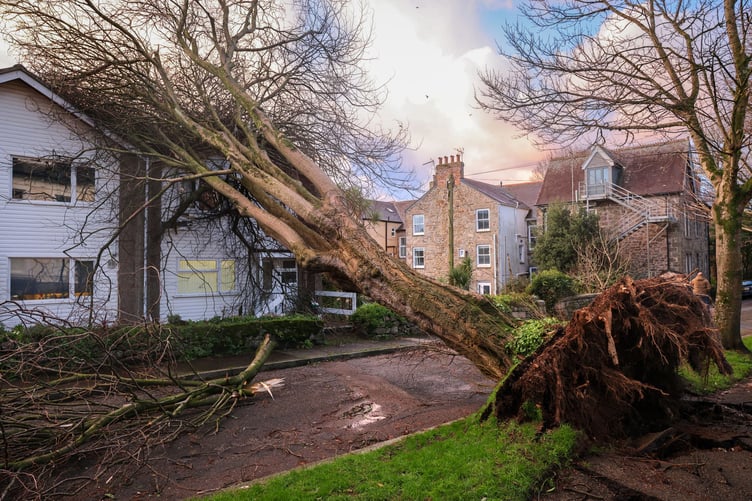
Elsewhere most other gardens with large trees suffered loss. The destruction of larger trees has an ongoing effect. As these fall it’s likely they will cause other extensive damage from crushing other smaller shrubs to upheaval of the ground from their root systems. That some of these trees have survived for so long in what can be a windy part of the UK could be cause for surprise. Many were planted in past centuries as at Trewithen as wind breaks often to protect lesser plantings. The danger for gardens now is climate change with potential increasing numbers and strength of future storms. The loss of many trees which acted as protective windbreaks for gardens may put more delicate plants in danger from future weather conditions.
We might regret the loss of so many majestic and venerable trees from a point of view of beauty. People generally like large trees and many of those lost in Cornwall will touch folk who have grown up with them and have special memories attached to particular trees. Just think of the outpouring of sadness at the wanton destruction of the Sycamore Gap tree at Hadrian’s Wall. Gardners and those managing Cornwall’s garden estates have much to consider as they plan replanting. Climate change will perhaps see a need for different species. Where there is room to grow larger trees careful planning needs to take place to create areas of biodiversity. Trees with deep root systems to stand those potential future storms or those species which are fast growers to quickly protect plantings all have their place.
However, it’s not just the loss of trees which is so devastating but the effect it has on the habitats of birds and animals which relied on them. The UK fares far worse relating to tree cover when compared to Europe with this having a huge effect on the gradual decrease in its bird and animal diversity. Since the 1970’s forty-one percent of UK species have declined with nearly half of terrestrial mammals found in fewer places, the same relates to breeding birds. Butterflies are far scarcer than in the 1980’s with sixty percent found in fewer places.
With this decrease in biodiversity over the past fifty years much needs to be done to sustain what still remains as well as encourage a return of that which has been lost. The recent loss of trees creates an opportunity to replace with a variety of trees and shrubs which are resistant to climate change but also conducive to birds, small mammals or other life forms which may have been in decline.
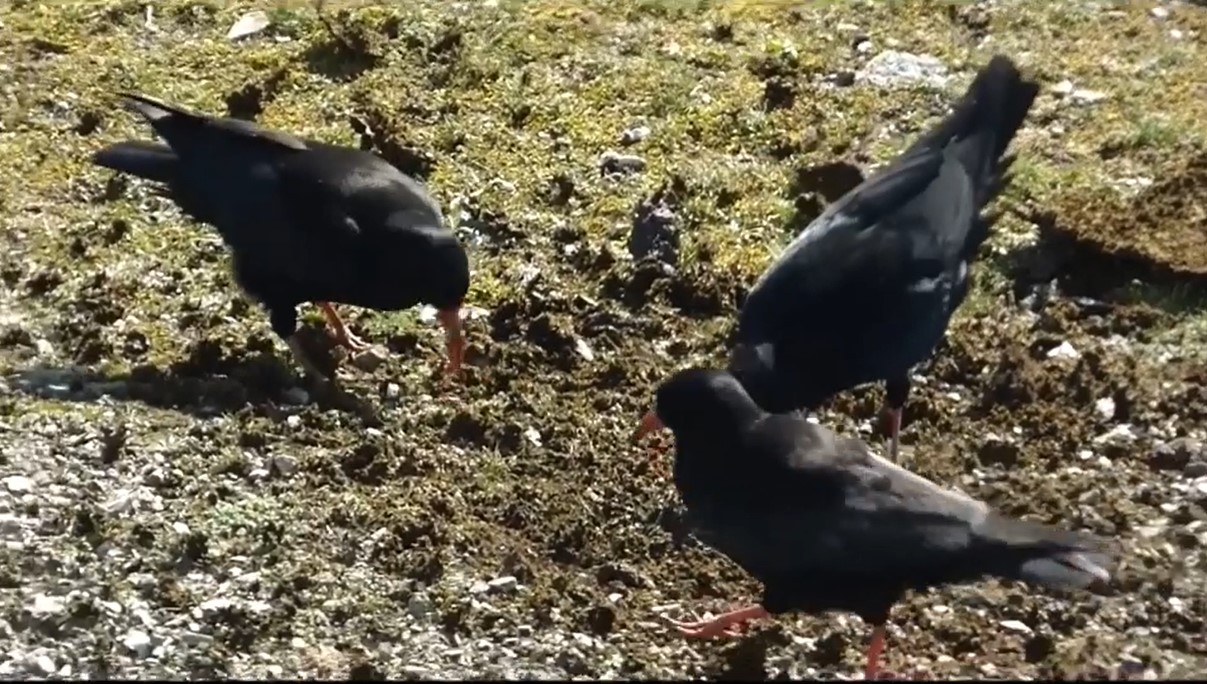
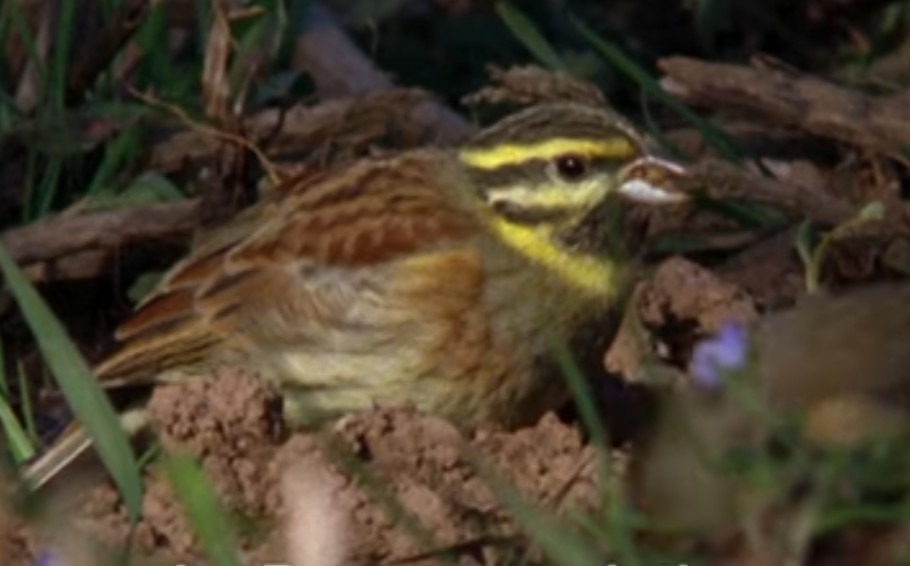
There have been some recent successes with the return of beavers to Cornwall after 400 years albeit only through ongoing positive human intervention. The same can be said of Cornwall’s national bird, the chough. Changes in cliff top land management has led to greater numbers of breeding pairs staying and raising their chicks here in Cornwall. Cirl Bunting is a small farmland bird which had become extinct in Cornwall and isolated mainly to an area of South Devon with just 118 breeding pairs. In 2006 chicks were taken and reared in the Roseland. This has been a great success albeit quite unknown to most people. There is now a sustainable population on the Roseland with other colonies on Cornwall’s north coast. With the right tree species many more birds and animals may be reintroduced or hopefully find their own way to expand or return to Cornwall. Besides beavers there has also been a reintroduction of water voles to Cornish rivers.
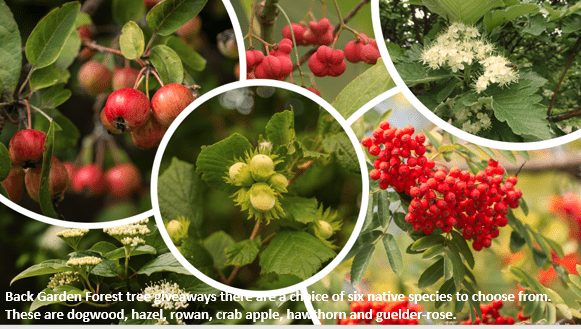
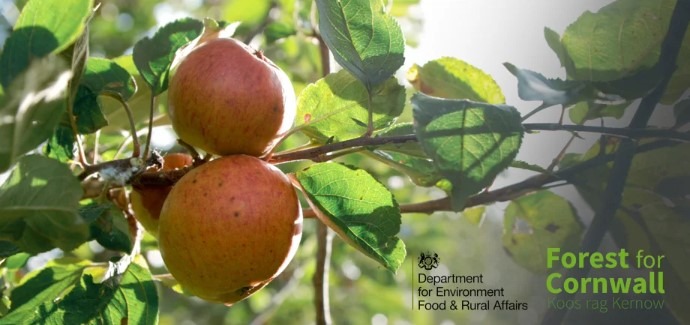
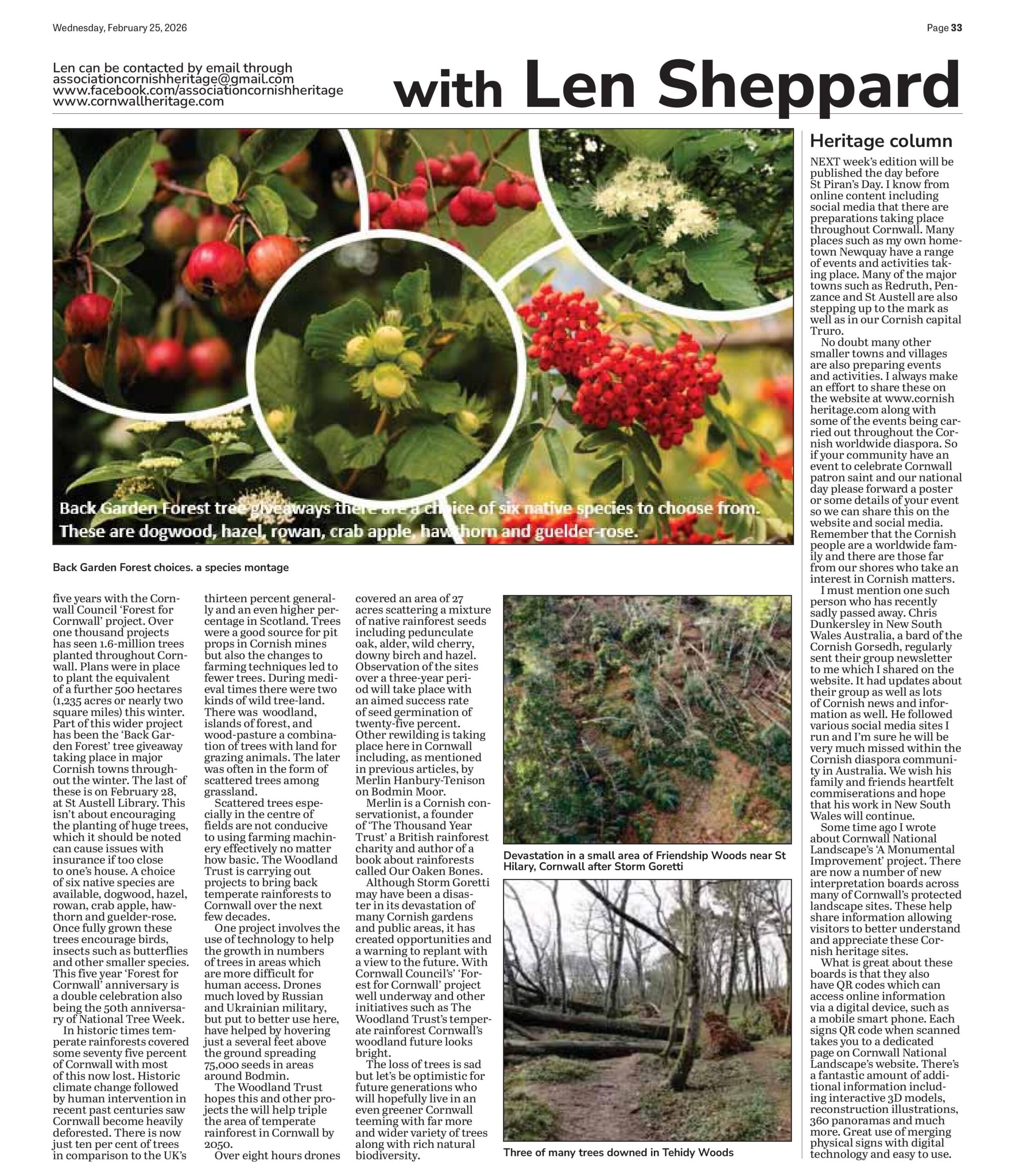
A vast programme of reforestation has been taking place throughout Cornwall over the past five years with the Cornwall Council ‘Forest for Cornwall’ project. Over one thousand projects has seen 1.6 million trees planted throughout Cornwall. Plans were in place to plant the equivalent of a further 500 hectares (1,235 acres or nearly two square miles) this winter. Part of this wider project has been the ‘Back Garden Forest’ tree giveaway taking place in major Cornish towns throughout the winter. The last of these is on 28th February at St Austell Library. This isn’t about encouraging the planting of huge trees, which it should be noted can cause issues with insurance if too close to one’s house. A choice of six native species are available, dogwood, hazel, rowan, crab apple, hawthorn and guelder-rose. Once fully grown these trees encourage birds, insects such as butterflies and other smaller species. This five year ‘Forest for Cornwall’ anniversary is a double celebration also being the 50th anniversary of National Tree Week.
In historic times temperate rainforests covered some seventy five percent of Cornwall with most of this now lost. Historic climate change followed by human intervention in recent past centuries saw Cornwall become heavily deforested. There is now just ten percent of trees in comparison to the UK’s thirteen percent generally and an even higher percentage in Scotland. Trees were a good source for pit props in Cornish mines but also the changes to farming techniques led to fewer trees. During medieval times there were two kinds of wild tree-land. There was woodland, islands of forest, and wood-pasture a combination of trees with land for grazing animals. The later was often in the form of scattered trees among grassland. Scattered trees especially in the centre of fields are not conducive to using farming machinery effectively no matter how basic. The Woodland Trust is carrying out projects to bring back temperate rainforests to Cornwall over the next few decades.
One project involves the use of technology to help the growth in numbers of trees in areas which are more difficult for human access. Drones much loved by Russian and Ukrainian military, but put to better use here, have helped by hovering just a several feet above the ground spreading 75,000 seeds in areas around Bodmin. The Woodland Trust hopes this and other projects the will help triple the area of temperate rainforest in Cornwall by 2050. Over eight hours drones covered an area of 27 acres scattering a mixture of native rainforest seeds including pedunculate oak, alder, wild cherry, downy birch and hazel. Observation of the sites over a three-year period will take place with an aimed success rate of seed germination of twenty-five percent. Other rewilding is taking place here in Cornwall including, as mentioned in previous articles, by Merlin Hanbury-Tenison on Bodmin Moor. Merlin is a Cornish conservationist, a founder of ‘The Thousand Year Trust’ a British rainforest charity and author of a book about rainforests called Our Oaken Bones.

Although Storm Goretti may have been a disaster in its devastation of many Cornish gardens and public areas, it has created opportunities and a warning to replant with a view to the future. With Cornwall Council’s’ ‘Forest for Cornwall’ project well underway and other initiatives such as The Woodland Trust’s temperate rainforest Cornwall’s woodland future looks bright. The loss of trees is sad but let’s be optimistic for future generations who will hopefully live in an even greener Cornwall teeming with far more and wider variety of trees along with rich natural biodiversity.
Heritage Column
Heritage in the News online links: