Ertach Kernow - Toll payments helped build roads and bridges
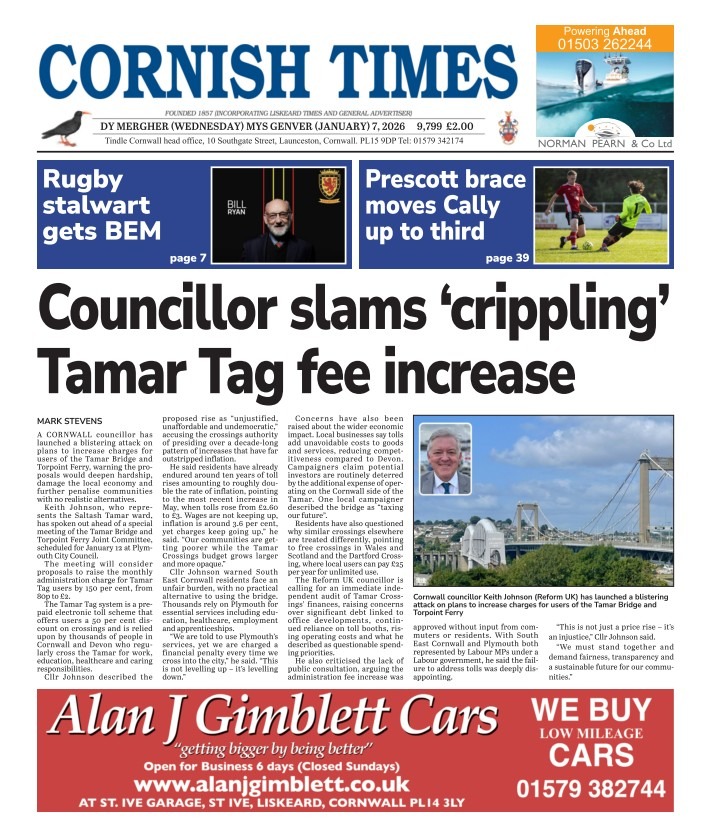
The River Tamar crossing via the Tamar Road Bridge is currently a topic of debate over the cost of travelling over it. Owned and maintained by the Tamar Bridge and Torpoint Ferry Joint Committee, a joint ownership of Cornwall Council and Plymouth City Council, it was financed by them as the Westminster government had refused to prioritising its finance and building. No doubt the construction of the Royal Albert Bridge in 1859 made a huge difference to Cornwall’s economy, especially tourism and the same could be said of the road bridge completed in 1961.
As always click the images for larger view
The cost of crossing eastwards out of Cornwall for car and small vans is now £3.00, which for the occasional traveller is not particularly onerous. Problems arise when there is a need for frequent cross border travel for work purposes or use of facilities in Plymouth for Cornish residents such as Derriford Hospital. A scheme to reduce the cost, known as the Tamar Tag, reduces the charge by fifty percent at a cost of 80pence a month and also available for the Torpoint Ferry. The proposal to increase this for the first time since 2014 to £2.00 per month is causing waves. This scheme is not profit making and the charge does not even cover the cost of administering it.
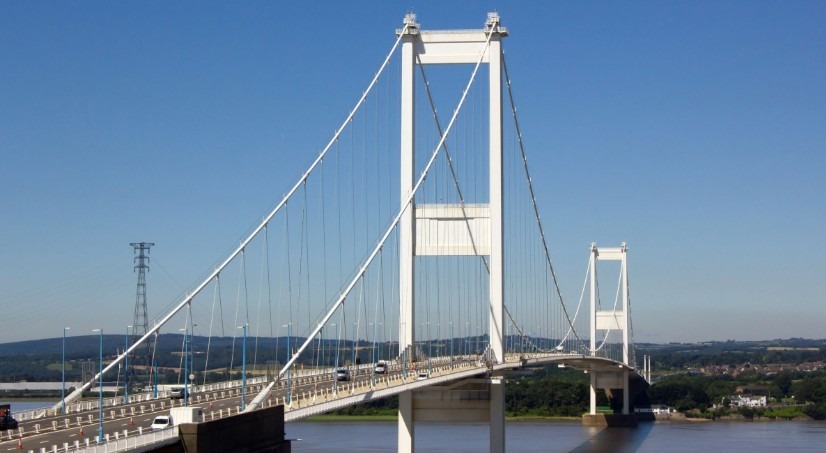
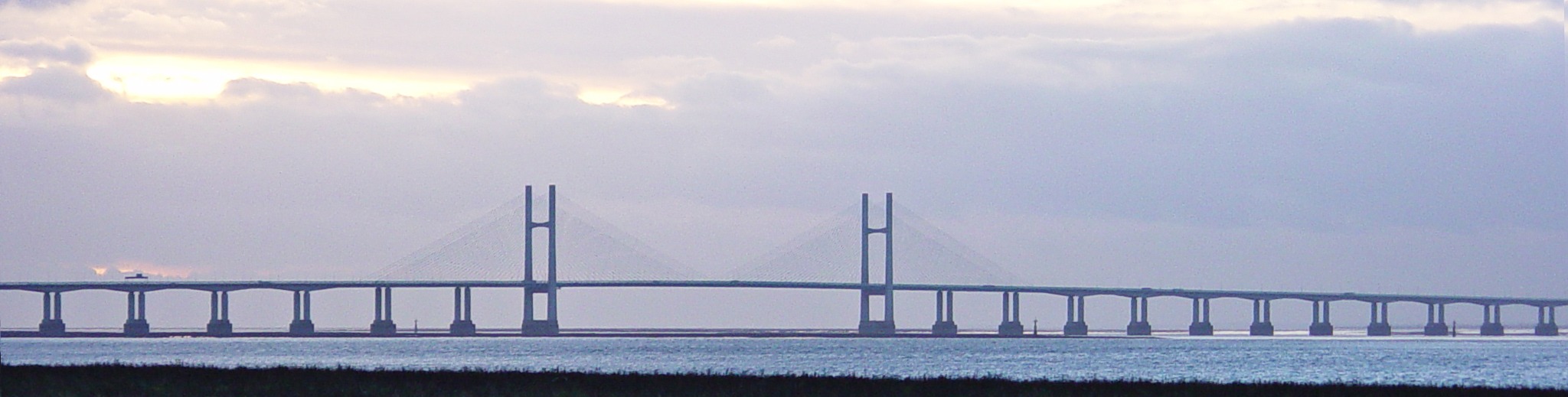
Understandably for those who pay their road tax toll bridge charges are not popular and often accompanied with cries of profiteering. Numerous toll bridges exist throughout the United Kingdom amongst which the Tamar is the most expensive, although mitigated with the Tamar Tag offering the highest discount for frequent users. The two bridges forming the Severn Crossings had their tolls removed in 2018 when the two bridges were brought back into public ownership. The government at that time argued the tolls were being scrapped to provide a much-needed economic boost to the South Wales and Bristol-Bath regions helping alleviate the impact of Brexit
For centuries since medieval times access to Cornwall across the lower Tamar was via three ferries at Saltash, Torpoint and Cremyll. Those at Torpoint and Cremyll still operate today with that at Saltash discontinued in 1961 when the Tamar Road Bridge opened. Further up the river access has been since the 15th century via medieval bridges the earliest being the Horse Bridge built in 1437.
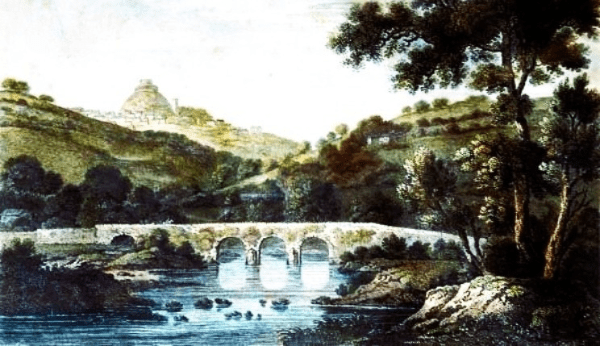
The main access route to Cornwall was via Launceston, once the foremost Cornish administrative town from Norman times, with it becoming an increasingly major highway. A bridge, thought to have been built by an early earl of Cornwall, was later replaced in the 13th century with one with six stone arches. This route into Cornwall became known as the northern post road. A new bridge with two outer arches and an iron span between them was built in 1835 as increased weight and amount of traffic outgrew the historic bridge. The iron span was later replaced by a stone arch which as it is today. Construction of the new A30 dual carriageway, relegated the old A30 over the Polson Bridge to the A388 with a new bridge built downstream of the Polson in 1978. However, the new Dunheved Bridge was blighted by ‘concrete cancer’ and was replaced in 2007.

Historically the poor quality of Cornish roads meant carts tended to be used only for shorter distances usually pulled by oxen. A breed of horse known as rounceys were relatively common. Rounceys were small inexpensive horses used for riding and in Cornwall as packhorses, although the term packhorse in history could also refer to donkey’s and mules. Celia Fiennes wrote during the 17th century during her travels around Cornwall of ‘a great number of horses little of size which they call Cornish Canelys. They are well made and strong and will trip along as light on the stony road without injury to themselves’. This breed of Cornish horse eventually died out, perhaps suited specifically for poor road conditions and no longer needed as these improved.
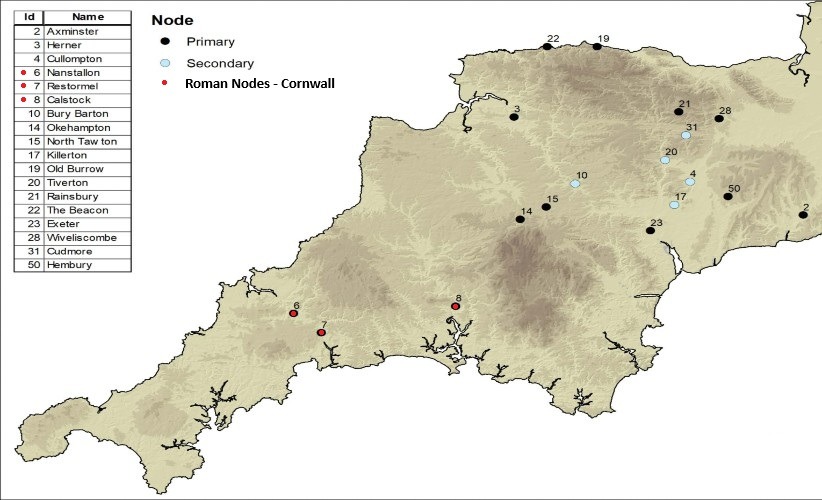
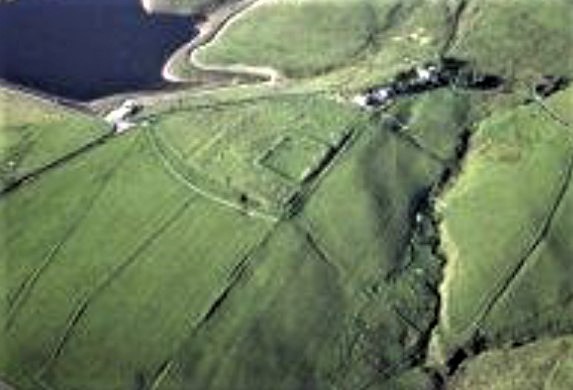
Although during the medieval period many pilgrims regularly made the journey to St Michael’s Mount much of Cornwall was fairly isolated. The Romans as is now better known did come and set up forts in Cornwall but they did not invest heavily in roadworks as seen elsewhere in England and Wales. With their most westerly major base at Isca, modern day Exeter, little evidence of major Cornish roads have been found. A recent LiDAR study has found some evidence that there was a route to the fort discovered at Restormel above the River Fowey. There was also some potential evidence of a route towards the River Camel as both estuaries allowing shipping deep into Cornwall.
By the early 14th century Bishop of Exeter John de Grandisson was somewhat dissatisfied how he and his Diocese were so communicatively isolated regarding both transport and language. He commented; ‘I am not only set down, in the ends of the earth, but in the very end of the ends thereof. My Diocese, which embraces Devon and Cornwall, is separated from all the rest of England, and, except on one side only, surrounded by seas so tempestuous that they can scarcely be called navigable. The people of Cornwall speak in a tongue which is unknown to the English and only known to Bretons.’
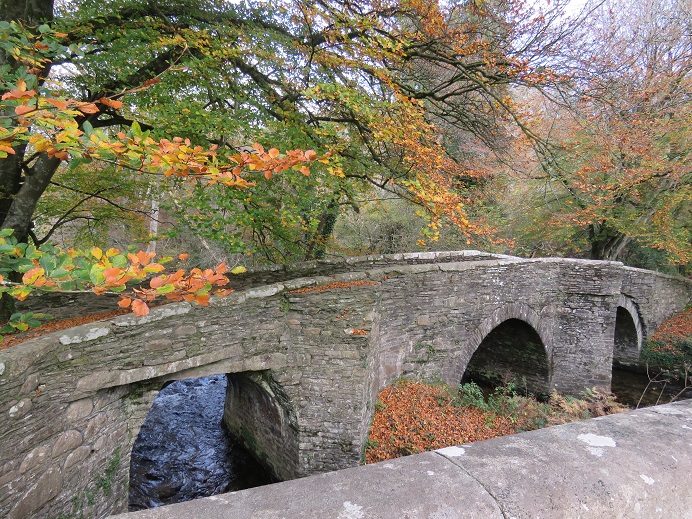
The upgrading of roads did not begin until the 18th century with the introduction of toll roads, even then many roads remained badly potholed tracks until the 19th century. New bridges crossing the River Tamar, perhaps replacing earlier ones, began to be built in the 15th century pointing to increased road traffic. Towns of reasonable size were emerging and better communication between them was being established. Smaller bridges between them were being built and maintained promoted by the church. Increased movement between Liskeard and Bodmin caused repairs at Treverbyn Bridge in 1412, where indulgences were given to encourage the work.
Passing of the Turnpike Act of 1707 led to the introduction of Turnpike Trusts that maintained principal roads, each set up through individual acts of Parliament. The first Cornish Turnpike Act was passed in 1754 for Truro Road, then in 1760 the Launceston Turnpike Trust was established. This covered roads within northeast Cornwall and linking with those in west Devon. This helped improve the northern post road with other roads being added through acts of Parliament up to 1815. Numerous Cornish towns would create individual turnpike trusts to improve roads in their locality. In 1769 the Bodmin Turnpike Trust was established covering the main central route over Bodmin Moor. The Bodmin Turnpike Trust would add other roads in the area through further acts of Parliament between 1811 and 1866.
Although these helped improve roads dramatically tolls were not, unsurprisingly as today, always popular with local people. These included farmers who needed to access their land from these roads and were charged for the privilege. Even around 1800 many roads remained in poor condition. Mrs Loveday Gregor, an acquaintance of the Cornish entrepreneur J T Treffry, wrote in her diaries commenting on the state of Cornish roads during the period of her childhood; ‘they were the worst in England being left entirely to nature or mended with great blocks of stone. In winter they were nearly impassable.’ Even then wagons were rarely used almost everything was carried on mule with wealthier folk travelling on horseback. This was a time when Cornwall’s maritime trade was flourishing with movement of goods far easier to and from the numerous small Cornish harbours.
By the 1860’s Cornwall’s toll roads and the turnpike trusts managing them were in decline. The various acts of parliament were expiring and not being renewed. The Cornwall Railway had joined with that of England with the opening of the Royal Albert Bridge in 1859, lessening use of some of the major toll roads. The Highways Act of 1862 formed Highway Districts, later main roads were created from former Turnpike Trust by The Highways and Locomotives Amendment Act of 1878. Cornwall’s road management was passed to Cornwall County Council following the creation of an administrative county in 1888.
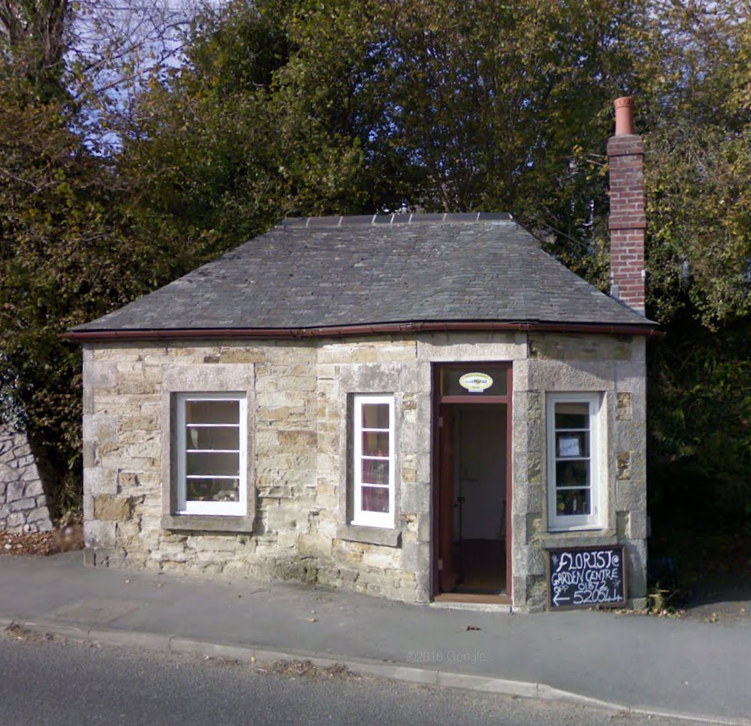
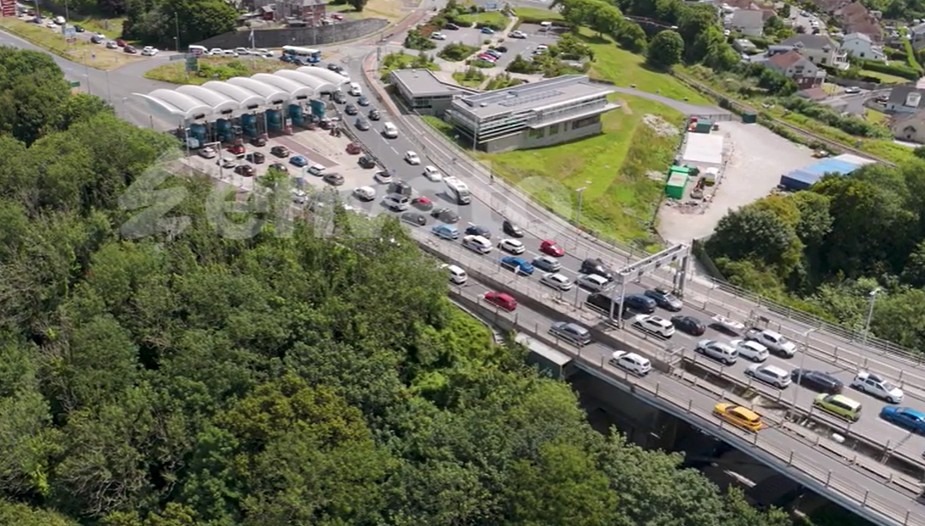
The various toll roads built and maintained throughout Cornwall by the Turnpike Trusts had a positive effect. Not just for the ordinary folk in enabling better and faster travel around Cornwall but for the Cornish economy. Rail travellers were able to access far deeper into Cornwall through better roads leading from railway stations and in time goods imported and exported via road and rail increased immeasurably. The Cornish maritime trade so busy up until towards the late 19th century was already in decline due to larger metal ships powered by steam and too large to enter Cornwall’s smaller harbours.
Although travellers may not like or agree with paying tolls, the introduction of these on roads and bridges in the past no doubt improved travel. Today whilst it is only on few occasions tolls are introduced or maintained having them does encourage the construction and maintenance of the bridge or road on which they are levied. The building of new toll charged infrastructure is likely to save the user a great deal of time and fuel expense over longer journeys. However, with the current government so keen to encourage greater economic benefits to Cornwall, including through its mineral strategy, is it not time to take the Tamar Bridge into public ownership. The abolishing of tolls would speed traffic over the Tamar, reduce costs and help boost the Cornish economy as was argued for the Severn Crossings relating to South Wales.
Heritage Column

Heritage in the News online links: